Rectivas Materials · Flame retardant manufacturer and formulation partner sales@rectivas.com  ·  WhatsApp +86 180 3191 1520

Halogen-Free Flame Retardant Additives

Non-halogenated flame retardant additives for plastics, polymers, LSZH cable compounds and low-smoke applications. These halogen free flame retardant systems are selected by resin, flame rating, smoke target, processing method and compliance requirements.

System typeNon-halogenated
TargetsUL94 · LOI · low smoke
ComplianceRoHS · REACH support
ApplicationsPlastics · cables · compounds
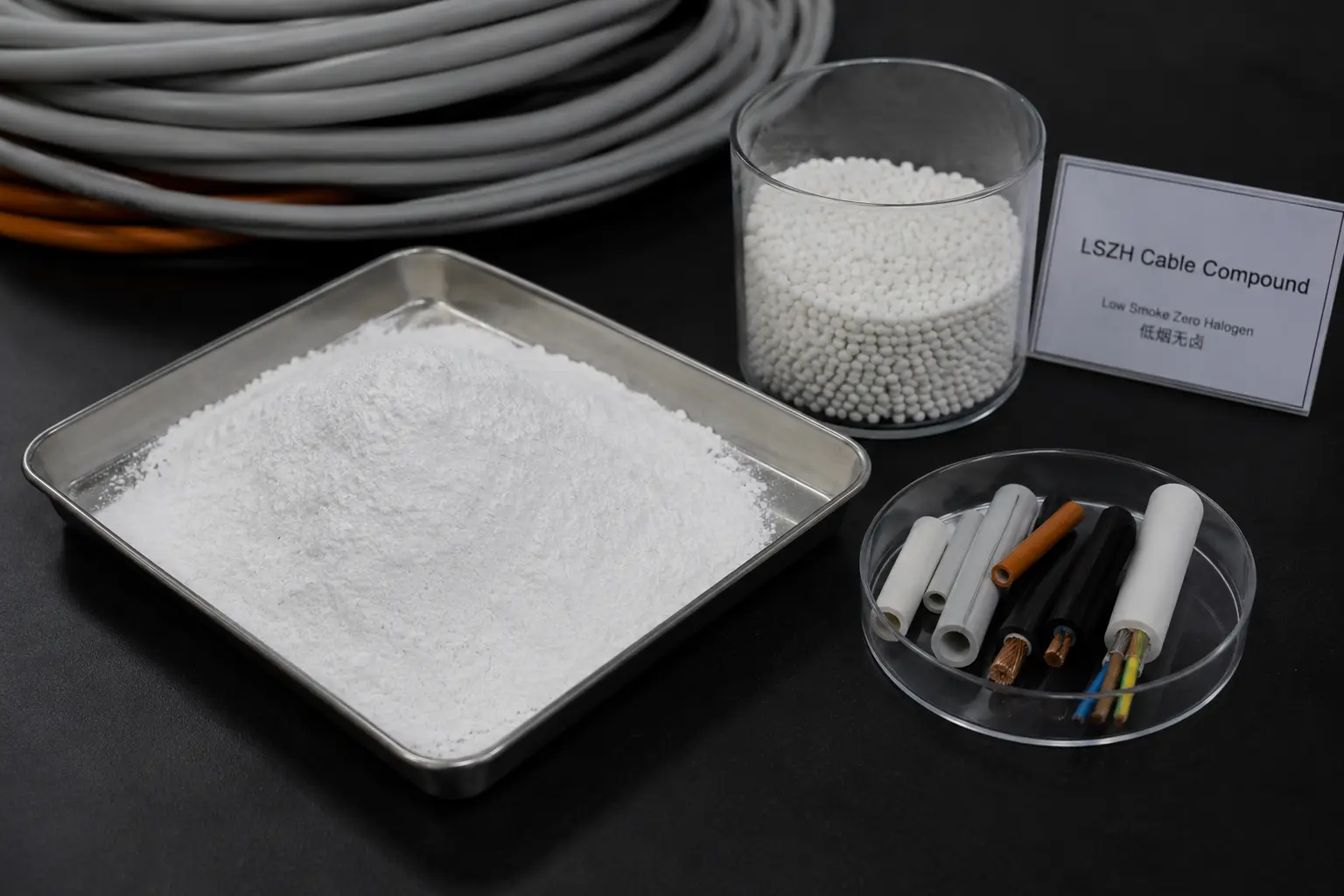
Halogen-free flame retardant powder and LSZH pellets Fig. HF01 — halogen-free formulation proof

Use a real lab or material image showing white halogen-free flame retardant additive, LSZH compound pellets or low-smoke cable material. The image should prove product form, low-smoke direction and formulation capability.

HFFR series
System — halogen-free
Goal — UL94 / LOI / low smoke
Use — plastics / cable compounds
01 / 07Definition

What Are Halogen-Free Flame Retardants?

Halogen free flame retardants are non-halogenated systems used when buyers need flame performance with low-smoke, environmental or end-market compliance requirements.

System: non-halogenated flame retardant systems Compliance: RoHS, REACH and low-smoke direction Fit: selected by resin and final application
HF-01

Non-Halogenated Flame Retardants

This direction avoids halogen content while still targeting UL94, LOI, smoke or customer-specific flame performance for non-halogenated requirements.

  • Supports halogen-free requirements
  • Often used for low-smoke targets
  • Requires polymer-specific selection
HF-02

Low-Smoke Flame Retardant Additives

For cable compounds, enclosed applications and materials where smoke performance is as important as flame rating.

  • Useful for LSZH direction
  • Smoke and mechanical balance required
  • Often needs compound testing
HF-03

Halogen-Free Additive Blends

For buyers that need balanced flame performance, dispersion, smoke control and processing stability without building every component from zero.

  • Balanced multi-component system
  • Supports smoke and processing control
  • Can be supplied as additive or masterbatch
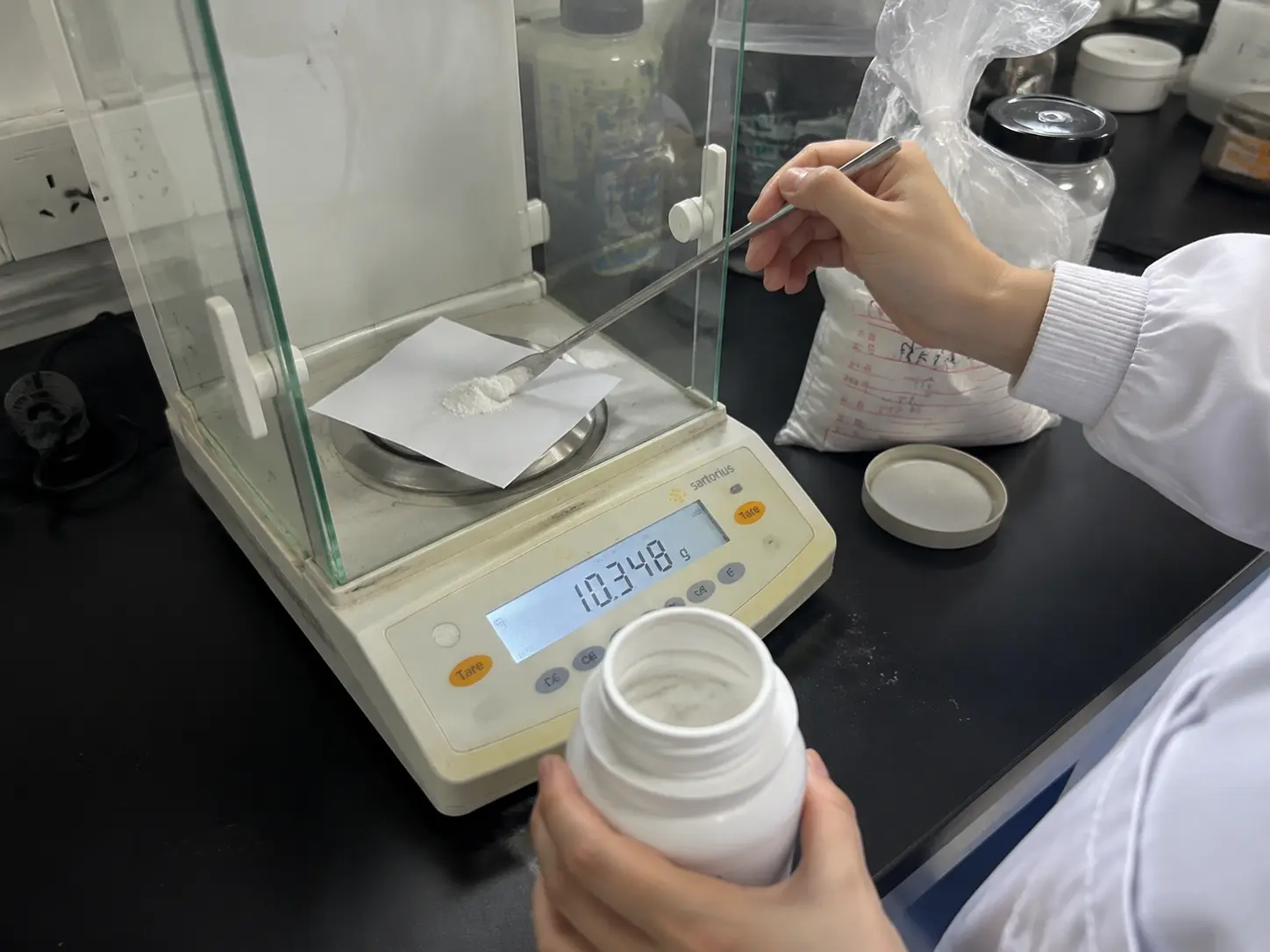
Halogen-free white powder additive and LSZH compound pelletsFig. HF02 — halogen-free white powder additive or LSZH compound pelletsProduct form, non-halogenated direction and lab handling before formulation.
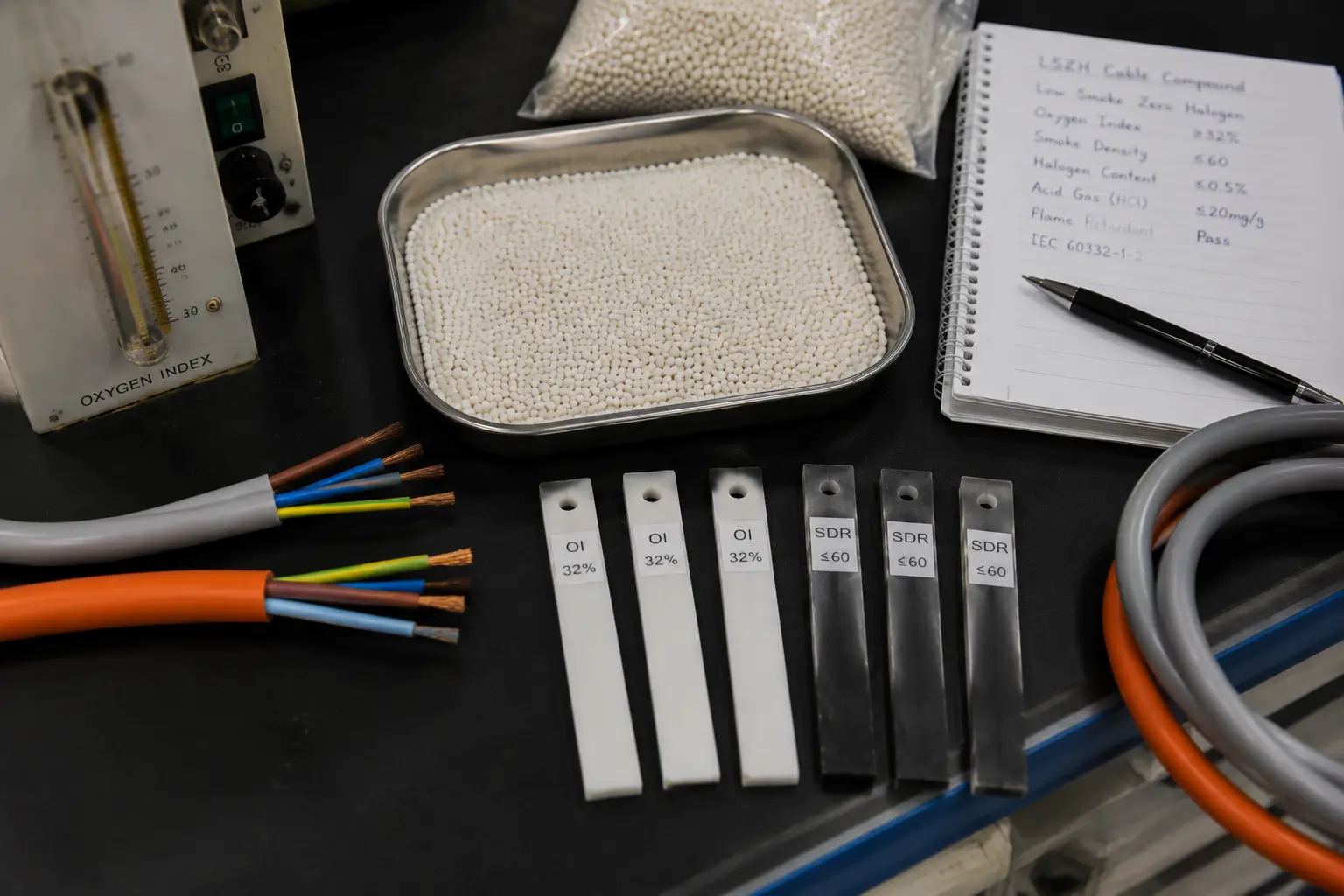
Low-smoke formulation and compounding test setupFig. HF03 — low-smoke formulation or compounding test setupFormulation capability for smoke, dispersion and processing balance.
02 / 07Systems

Halogen-Free Additives by Chemistry

Halogen-free flame retardant additives can be phosphorus-based, nitrogen-phosphorus, mineral, intumescent or custom compounded systems. The right choice depends on resin, processing temperature, smoke target and mechanical performance.

Chemistries: phosphorus · nitrogen-phosphorus · mineral · intumescent Compliance: RoHS · REACH · low-smoke support Selection: by polymer, process and end-use
S-01

Phosphorus-Based Systems

For selected plastics requiring char formation, halogen-free direction and a balance of flame rating and mechanical performance.

S-02

Nitrogen-Phosphorus Systems

For PP, PA and selected engineering plastics where synergistic flame retardant performance and processing balance are required.

S-03

Mineral Flame Retardants

For low-smoke and high-loading applications where mechanical properties, processing and dispersion must be managed carefully.

S-04

Intumescent / Compounded Blends

For buyers who need a formulated halogen-free package instead of selecting every component separately.

03 / 07Applications

Halogen-Free Flame Retardant Applications

Halogen-free flame retardant plastics, cable compounds and engineering materials need different additive systems. Use this table as a first filter before sample testing.

Coverage: plastics · cables · compounds · nylon · PP First filter: shortlist before sample testing Confirm: resin grade, smoke target and end-use
PolymerHalogen-Free DirectionMain ConcernProduct FormTypical TargetsProcessing NotesRelated Page
PP / PolypropylenePhosphorus-nitrogen or intumescent systemsDispersion and mechanical retentionAdditive or masterbatchUL94 V-2 / V-0 · LOI 26–32Check dispersion, smoke and mechanical retentionPP application
PE / PolyethyleneMineral or compounded low-smoke systemsHigh loading and processing stabilityAdditive, compound or masterbatchUL94 HB / V-2 · LOI 24–30Often linked to cable, pipe or film requirementsPE application
PVCLow-smoke non-halogenated PVC directionSmoke density, plasticizer and flexibilityCustom additive blendLOI 30–38 · low smokeConfirm flexible/rigid PVC, plasticizer and smoke targetPVC application
PC / PC-ABSEngineering plastic halogen-free systemsHeat resistance, color and UL94 thicknessAdditive or masterbatchUL94 V-0 @ 1.5 mm · heat resistanceConfirm heat resistance, color, transparency and UL94 thicknessPC / PC-ABS
PA / NylonHalogen-free flame retardant nylon directionProcessing temperature and reinforcementAdditive or masterbatchUL94 V-0 · GWFI 960 °CConfirm glass fiber, processing temperature and GWFI targetPA / Nylon
ABSCustom non-halogenated ABS directionImpact, color and injection molding stabilityCustom additive blendUL94 V-0 / HBBalance impact, color and injection molding stabilityABS application
LSZH Cable CompoundsLow-smoke zero-halogen compound directionSmoke density, cable standard and mechanical balanceCompound additive or masterbatchIEC 60332 · low smoke zero halogenConfirm cable standard, smoke density and mechanical needsLSZH compounds
04 / 07Comparison

Halogen-Free vs Halogenated Flame Retardants

Halogen-free and halogenated flame retardants solve different buyer requirements. The right choice depends on regulation, smoke, flame efficiency, cost and end-use market.

Choose Halogen-Free When...

You need non-halogenated materials, low-smoke direction, RoHS/REACH support or customer requirements that restrict halogenated flame retardants.

Consider Brominated / Halogenated When...

You need high flame retardant efficiency, cost control or legacy formulations where halogenated systems are still accepted by the end market.

05 / 07Selection

How to Select a Halogen-Free Flame Retardant System

A useful recommendation requires more than the words "halogen-free." Resin type, processing temperature, smoke target, flame rating and mechanical performance all affect formulation choice.

01Base resin
02Target flame rating
03Smoke density target
04RoHS / REACH requirement
05Processing temperature
06Mechanical performance
07Color or transparency
08Application standard
09Cost and loading target
06 / 07Manufacturing

Halogen-Free Flame Retardant Manufacturer Capability

As a halogen-free flame retardant additives manufacturer, we support custom formulation, sample testing, low-smoke development, compounded blend supply, quality control and export packaging.

Formulation: non-halogenated system selection Quality: UL94, LOI and low-smoke direction Supply: samples, batch production and export
  • C-01Halogen-free formulation support
  • C-02Powder, blend or masterbatch supply
  • C-03Sample and trial batch support
  • C-04Dispersion and processing adjustment
  • C-05Low-smoke application support
  • C-06Quality control
  • C-07Export packaging and documents
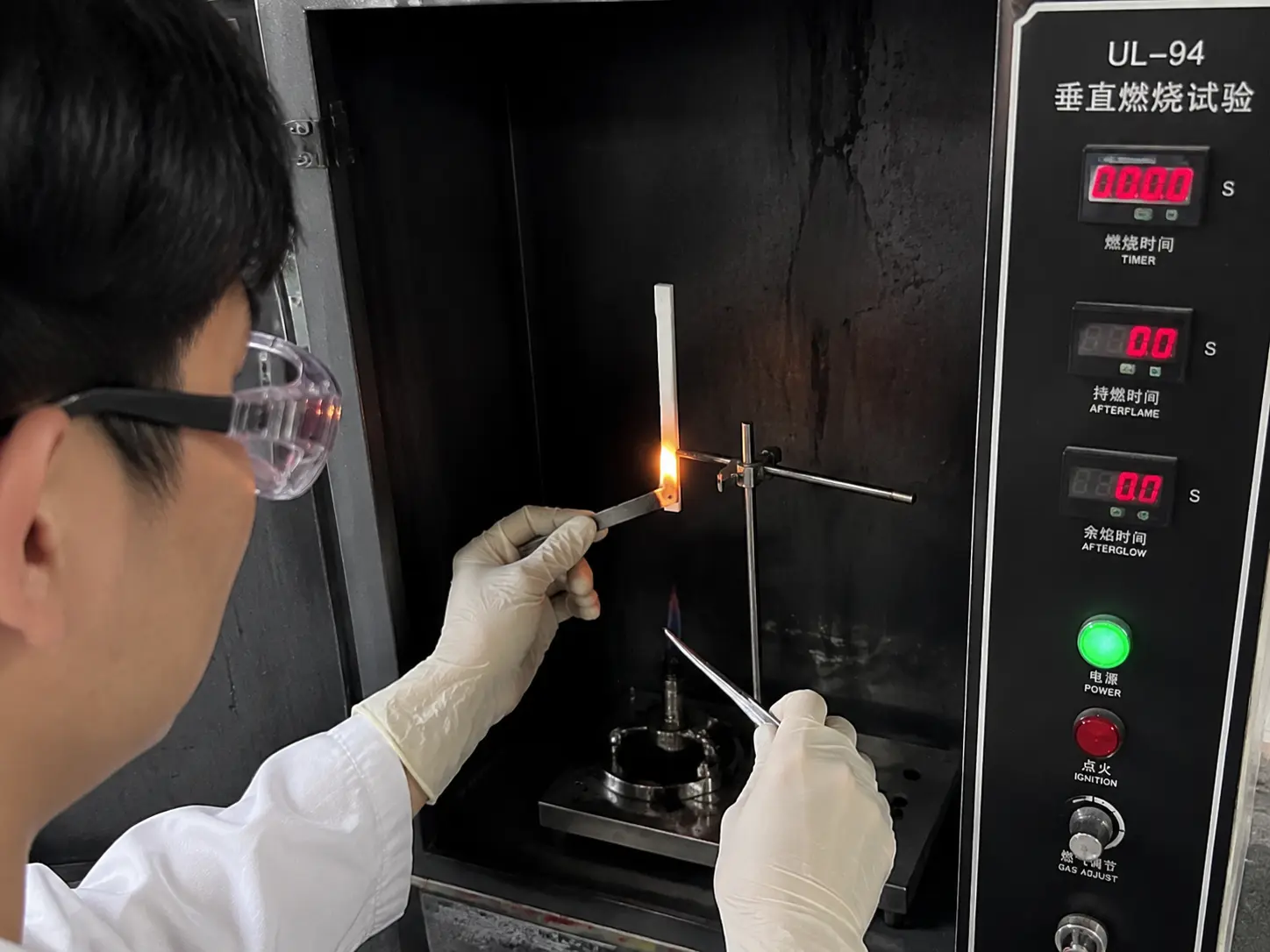
UL94, LOI and smoke-related testing setupFig. HF04 — UL94, LOI or smoke-related testing setupFlame rating, oxygen index and low-smoke validation direction.
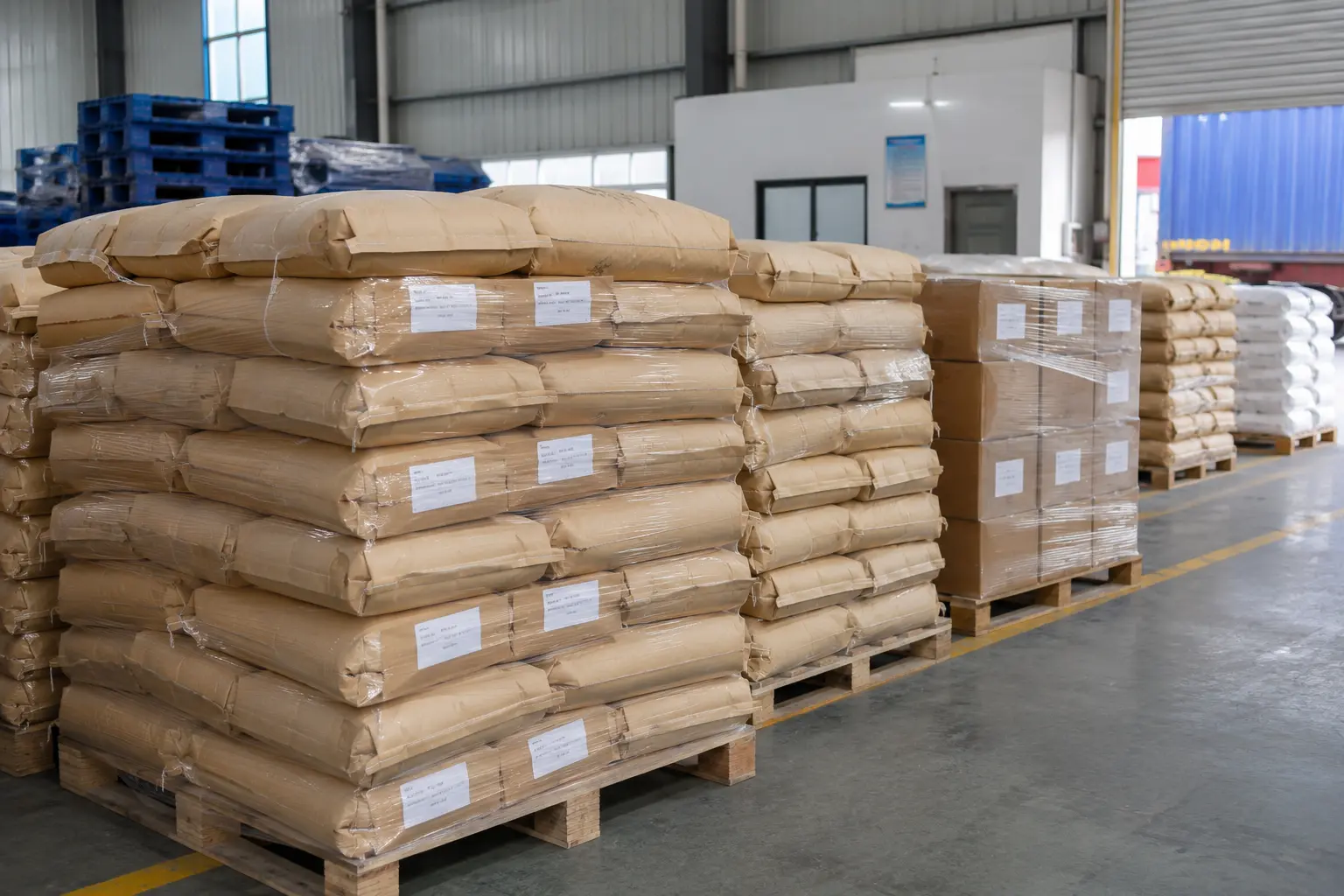
Export bags, drums and palletized halogen-free materialFig. HF05 — export bags, drums or palletized halogen-free materialBatch production, packaging and worldwide B2B supply.
07 / 07FAQ

Buyer Questions About Halogen-Free Flame Retardants

Direct answers help engineers and procurement teams compare non-halogenated systems, low-smoke requirements, plastics applications and RFQ information before sample testing.

What are halogen-free flame retardant additives?

Halogen-free flame retardant additives are non-halogenated systems used to reduce flammability while supporting low-smoke, RoHS, REACH or customer-specific environmental requirements.

Which halogen-free flame retardant system should be selected?

Selection depends on base resin, processing temperature, target flame rating, smoke requirement, mechanical performance, color, compliance requirements and cost target.

Can one halogen-free flame retardant work for every polymer?

No. PP, PE, PVC, PC, PC/ABS, PA, ABS and LSZH cable compounds have different processing temperatures, smoke requirements, dispersion needs and mechanical property targets.

What should be included in a halogen-free flame retardant RFQ?

Share base resin, processing method, target flame rating, smoke requirement, RoHS or REACH requirement, color, mechanical performance, trial quantity and any certification needs.

Request a Halogen-Free Flame Retardant Recommendation

Send your resin type, processing method, target flame rating, smoke requirement and compliance needs. We will recommend a suitable halogen-free additive, blend or masterbatch direction for testing.

Include in your inquiryHFFR-RFQ
  • Base resinPP, PE, PVC, PC, PA, ABS or cable compound
  • ProcessingExtrusion, injection molding, compounding, coating
  • Target standardUL94 V-0 / V-1 / V-2, LOI, low smoke, LSZH
  • ComplianceHalogen-free, RoHS, REACH, low-smoke requirement
  • Trial volumeSample quantity and expected annual demand