Rectivas Materials · Flame retardant manufacturer and formulation partner sales@rectivas.com  ·  WhatsApp +86 180 3191 1520

Halogenated Flame Retardant Additives

Halogenated flame retardant additives for plastics, polymers and cost-sensitive formulations. Compare brominated, chlorinated, antimony synergist and compounded systems by resin, target flame rating, loading level, smoke requirement, regulatory limits and end-use market.

System typeBrominated · chlorinated
TargetsUL94 · LOI · efficiency
SelectionRegulatory confirmation required
ApplicationsPlastics · compounds · molded parts
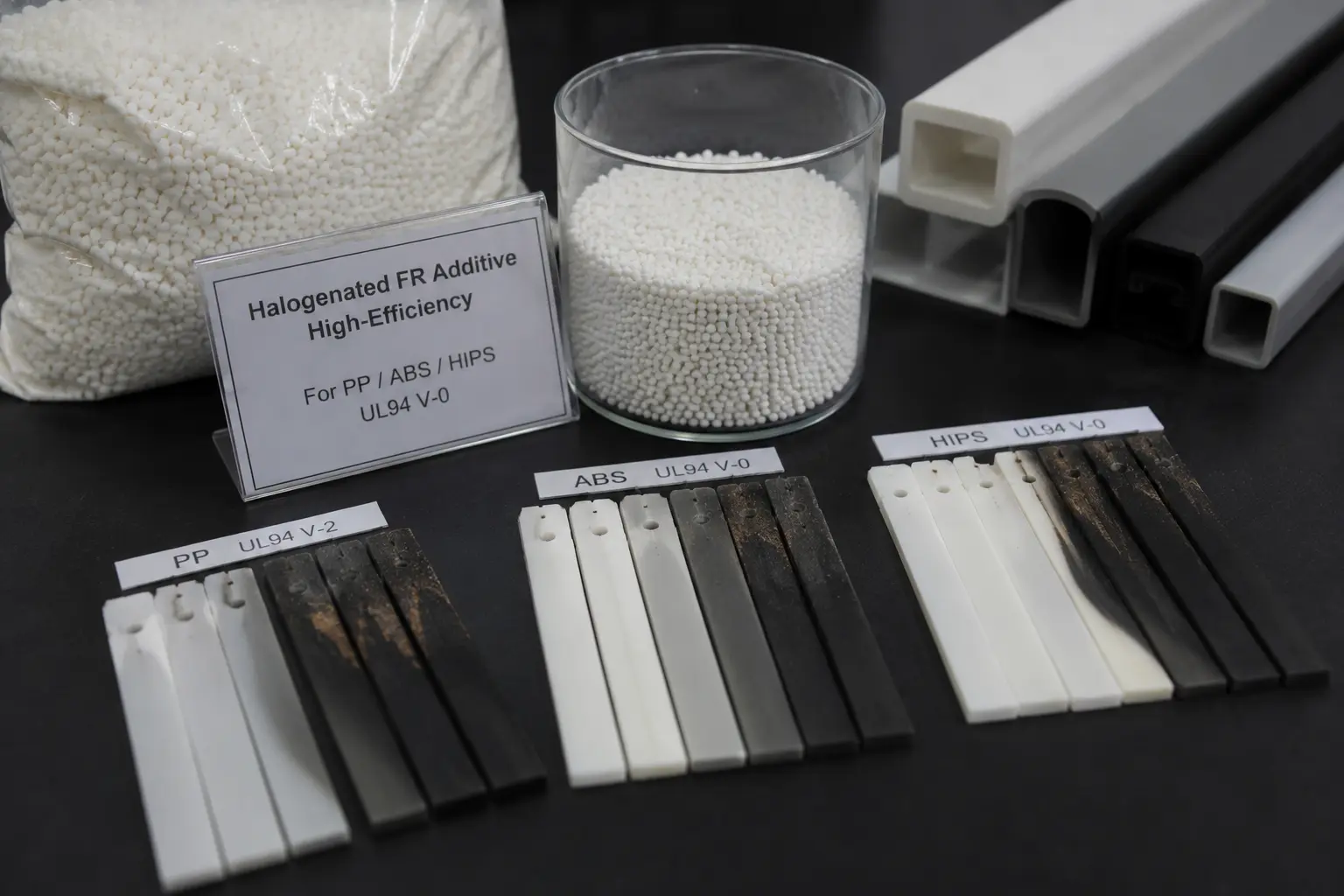
Halogenated flame retardant additive and UL94 test bars Fig. HB01 — halogenated formulation proof

Use a real lab or material image showing brominated flame retardant additive, synergist blend, treated polymer pellets or UL94 test bars. The image should prove product form, formulation capability and controlled B2B supply.

HFR series
System — brominated / chlorinated
Goal — UL94 / LOI / cost balance
Use — plastics / compounds
01 / 07Definition

What Are Halogenated Flame Retardants?

Halogenated flame retardants are brominated, chlorinated or synergist-supported systems used when buyers need efficient flame performance, lower loading or cost-effective formulation in applications where the end market allows them.

System: brominated, chlorinated and synergist-supported Buyer use: efficiency, loading and cost balance Check: customer restrictions and end-use regulations
HB-01

Brominated Flame Retardants

This direction uses brominated chemistry for efficient flame retardant performance in selected plastics and compounds where brominated systems are accepted.

  • High flame retardant efficiency
  • Often supports lower loading
  • Requires regulatory confirmation
HB-02

Chlorinated Flame Retardants

For selected PVC, rubber or polymer systems where chlorinated chemistry is already compatible with the formulation and end-use requirements.

  • Useful in compatible formulations
  • Application and regulation dependent
  • Often needs smoke and processing checks
HB-03

Synergist-Supported Blends

For buyers that need balanced flame performance, lower loading, stable dispersion and processing compatibility through brominated systems, antimony synergists or compounded blends.

  • Balanced multi-component system
  • Supports efficiency and processing control
  • Can be supplied as additive or masterbatch
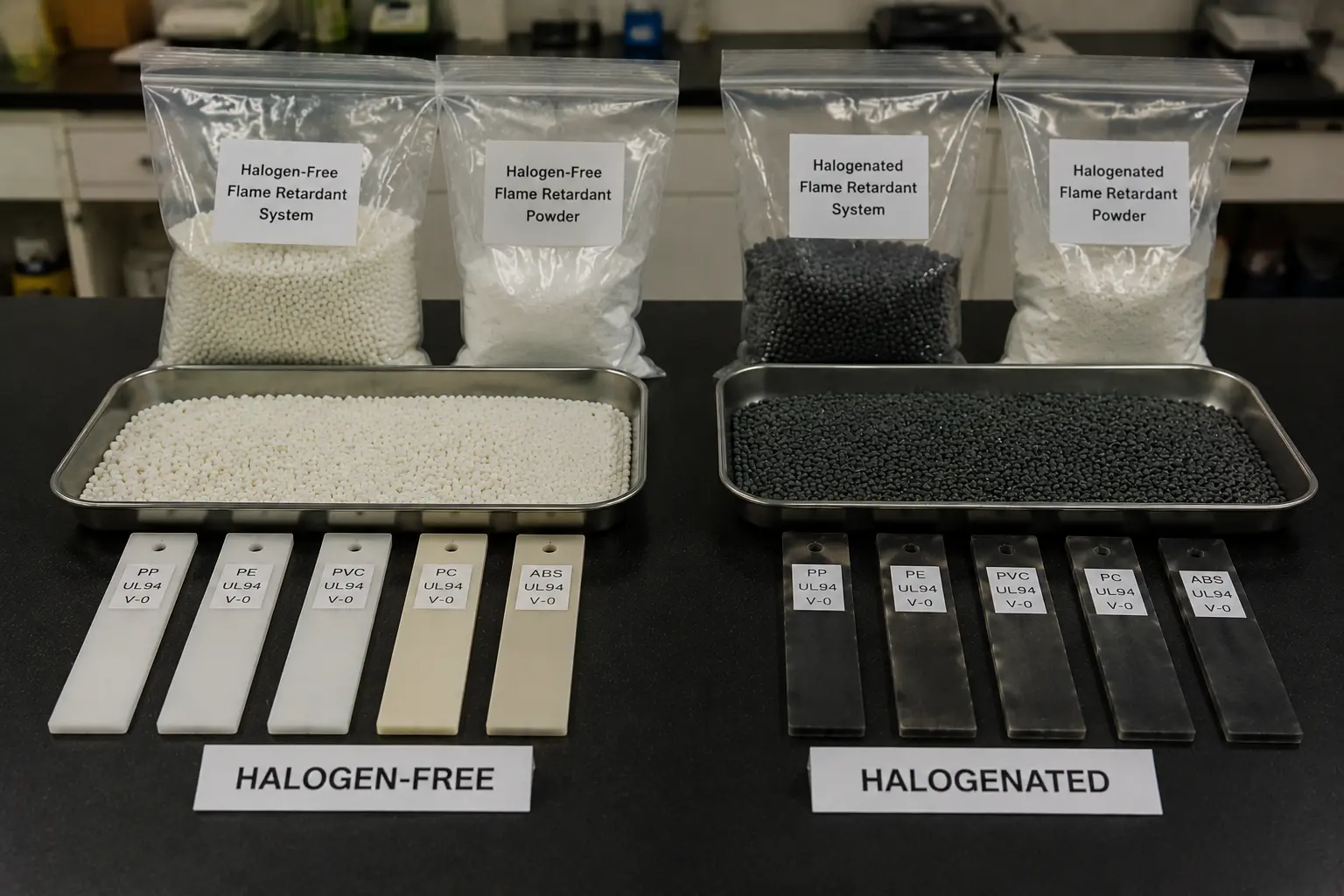
Brominated additive, synergist blend and treated compound pelletsFig. HB02 — brominated additive, synergist blend or treated compound pelletsProduct form, halogenated direction and lab handling before formulation.
UL94 bars and halogenated formulation comparison samplesFig. HB03 — UL94 bars and formulation comparison samplesFormulation capability for loading, dispersion and flame rating balance.
02 / 07Systems

Halogenated Additives by Chemistry

Halogenated flame retardant additives can be brominated, chlorinated, antimony synergist supported or custom compounded systems. The right choice depends on resin, end-use permission, processing temperature, smoke requirement, loading level and mechanical performance.

Chemistries: brominated · chlorinated · antimony synergist · compounded blends Decision: efficiency · cost · loading · accepted end market Selection: by polymer, process, regulation and end-use
S-01

Brominated Systems

For selected plastics requiring high flame retardant efficiency, stable performance and lower loading where brominated systems are accepted.

S-02

Chlorinated Systems

For compatible PVC, rubber or polymer systems where chlorinated chemistry fits the application and regulatory requirements.

S-03

Antimony Synergist Systems

For brominated formulations where synergist support can improve flame retardant performance and help balance total loading.

S-04

Compounded Halogenated Blends

For buyers who need a formulated package instead of selecting brominated additive, synergist and processing balance separately.

03 / 07Applications

Halogenated Flame Retardant Applications

Halogenated flame retardant plastics and compounds need different additive systems. Use this table as a first filter before sample testing and regulatory confirmation.

Coverage: PP · PE · PVC · ABS · HIPS · rubber · compounds First filter: shortlist before sample testing Confirm: resin grade, end-use permission and restrictions
PolymerHalogenated DirectionMain ConcernProduct FormTypical TargetsProcessing NotesRelated Page
PP / PolypropyleneBrominated or synergist-supported system where acceptedEfficiency, drip control and regulatory permissionAdditive or masterbatchUL94 V-2 / V-0 · lower loading directionCheck dispersion, smoke, drip behavior and customer restrictionsPP application
PE / PolyethyleneBrominated or compounded system where acceptedCost, loading and application permissionAdditive, compound or masterbatchUL94 HB / V-2 · efficiency directionOften linked to film, sheet or cost-sensitive requirementsPE application
PVCChlorinated, antimony synergist or brominated package where acceptedSmoke, plasticizer and heat stabilityCustom additive blendLOI 30–38 · flame and smoke balanceConfirm flexible/rigid PVC, plasticizer, smoke target and restrictionsPVC application
PC / PC-ABSMostly project-specific; halogen-free often preferredCustomer restriction and heat resistanceProject-specific additive or masterbatchUL94 V-0 · engineering plastic requirementsConfirm customer restrictions before considering halogenated optionsPC / PC-ABS
PA / NylonBrominated or synergist-supported high-temperature system where acceptedProcessing temperature and reinforcementAdditive or masterbatchUL94 V-0 · GWFI 960 °CConfirm glass fiber, processing temperature and GWFI targetPA / Nylon
ABSBrominated or synergist-supported ABS directionImpact, color and injection molding stabilityCustom additive blend or masterbatchUL94 V-0 / HB · cost balanceBalance impact, color and injection molding stabilityABS application
HIPS / PSBrominated flame retardant and synergist package where acceptedEfficiency, cost and surface qualityAdditive or masterbatchUL94 V-0 / V-2 · stable processingConfirm surface, odor, smoke and end-market permissionMasterbatch
04 / 07Comparison

Halogenated vs Halogen-Free Flame Retardants

Halogenated and halogen-free flame retardants solve different buyer requirements. The right choice depends on regulation, smoke, flame efficiency, loading, cost and end-use market.

Choose Halogenated When...

You need high flame retardant efficiency, cost control or legacy formulations where halogenated systems are still accepted by the end market.

Choose Halogen-Free When...

You need non-halogenated materials, low-smoke direction, RoHS/REACH support or customer requirements that restrict halogenated flame retardants.

05 / 07Selection

How to Select a Halogenated Flame Retardant System

A useful recommendation requires more than the word "brominated." Resin type, end-use permission, processing temperature, smoke target, flame rating, synergist need and mechanical performance all affect formulation choice.

01Base resin
02Target flame rating
03Halogenated allowed or restricted
04RoHS / REACH / customer list
05Processing temperature
06Mechanical performance
07Smoke, odor and color target
08Synergist and loading target
09Cost and end-use market
06 / 07Manufacturing

Halogenated Flame Retardant Manufacturer Capability

As a halogenated flame retardant additives manufacturer, we support custom formulation, sample testing, brominated and synergist blend supply, quality control, regulatory document coordination and export packaging.

Formulation: brominated, chlorinated and synergist systems Quality: UL94, LOI and batch consistency direction Supply: samples, batch production and export
  • C-01Halogenated formulation support
  • C-02Powder, blend or masterbatch supply
  • C-03Sample and trial batch support
  • C-04Dispersion and processing adjustment
  • C-05Regulatory document coordination
  • C-06Quality control
  • C-07Export packaging and documents
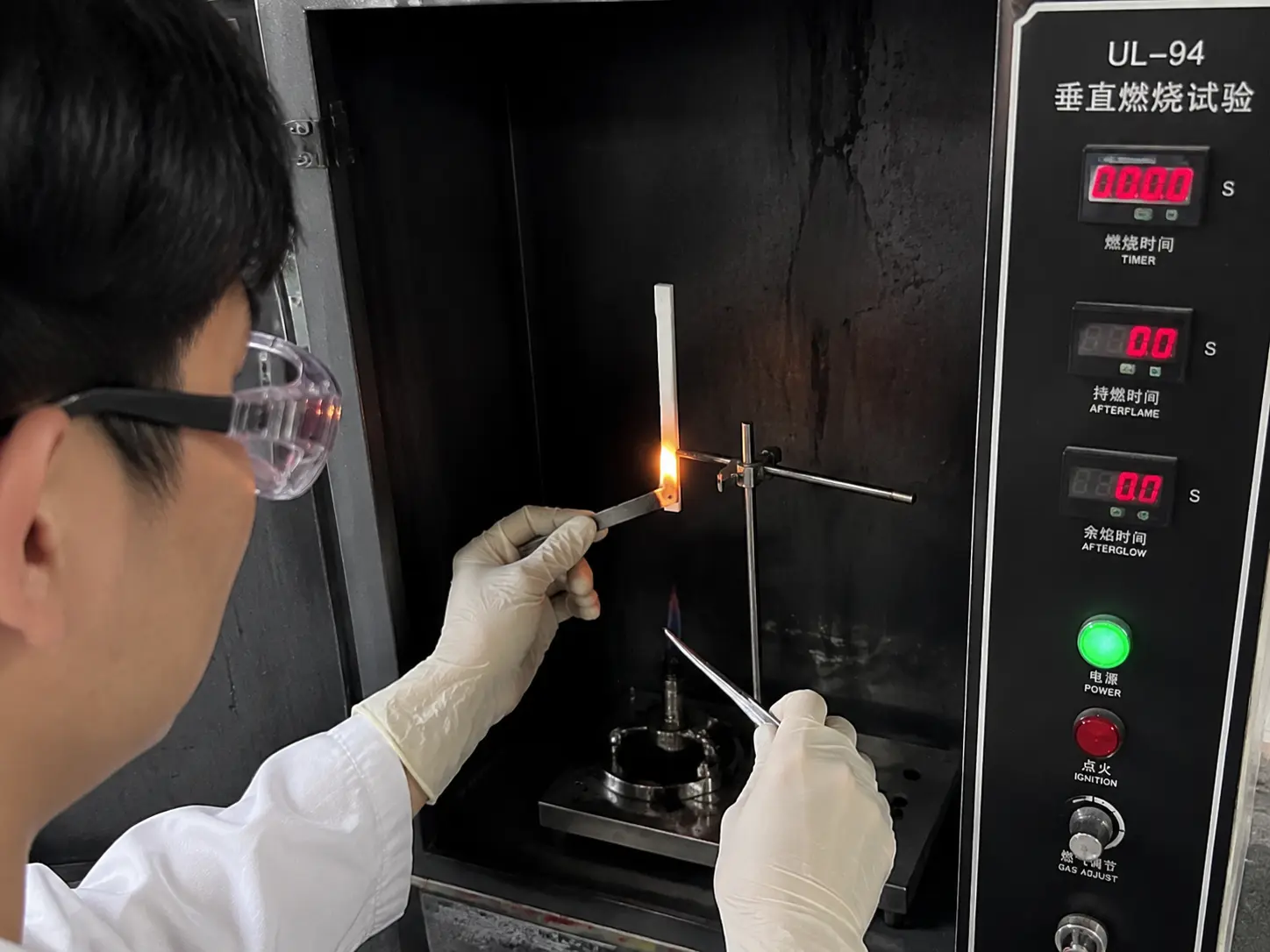
UL94, LOI and compound flame test setupFig. HB04 — UL94, LOI or compound flame test setupFlame rating, loading level and formulation validation direction.
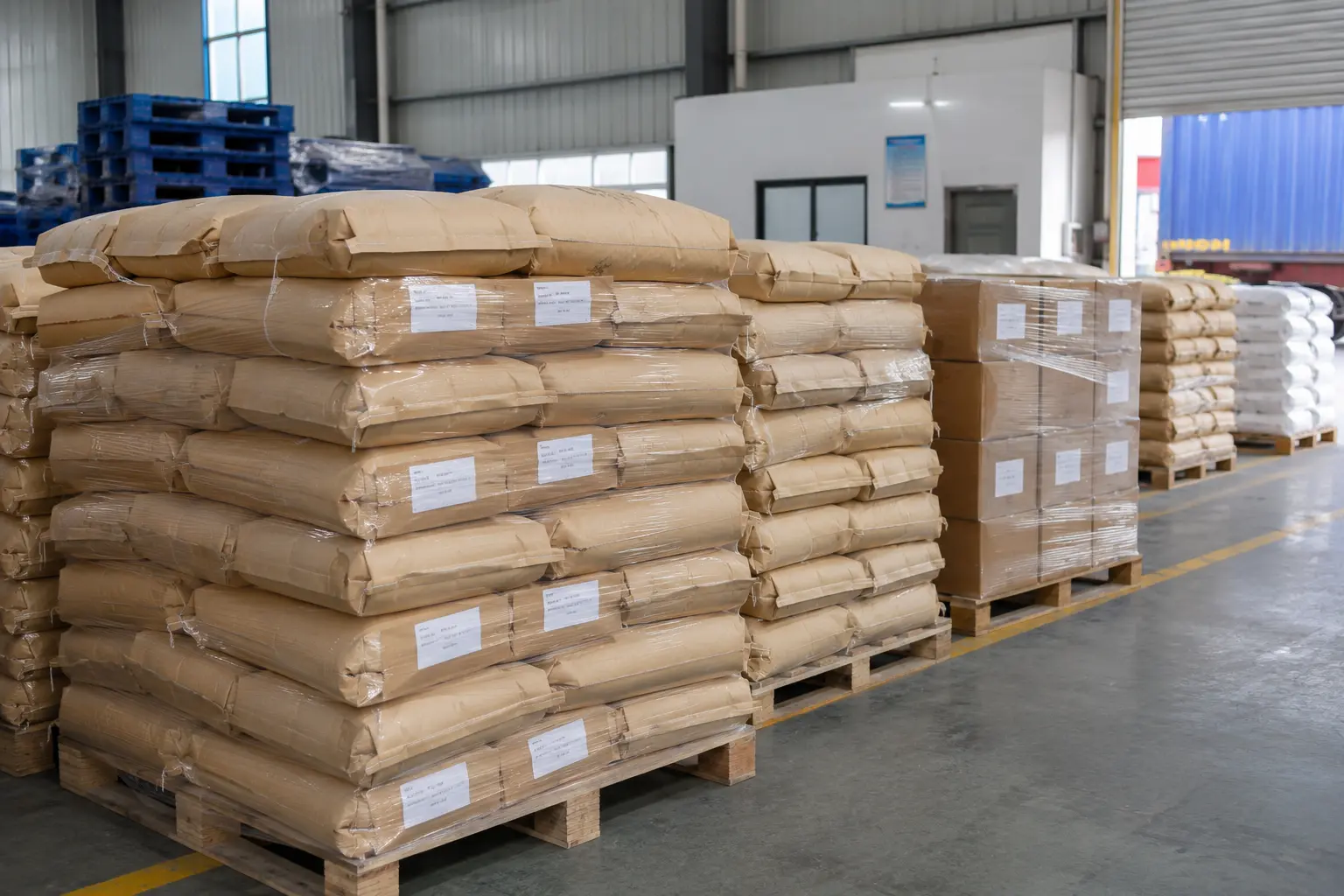
Export bags, drums and palletized halogenated materialFig. HB05 — export bags, drums or palletized halogenated materialBatch production, packaging and worldwide B2B supply.
07 / 07FAQ

Buyer Questions About Halogenated Flame Retardants

Direct answers help engineers and procurement teams compare brominated systems, synergists, regulatory restrictions, plastics applications and RFQ information before sample testing.

What are halogenated flame retardant additives?

Halogenated flame retardant additives are systems containing bromine, chlorine or related synergist packages used to improve flame resistance, often with high efficiency and lower loading in suitable applications.

When should halogenated flame retardants be considered?

They may be considered when the end market allows halogenated systems and the project needs high flame retardant efficiency, lower loading, cost control or compatibility with an existing formulation.

Are halogenated flame retardants restricted?

Some halogenated flame retardants or end-use markets may have restrictions. Buyers should confirm RoHS, REACH, customer restricted substance lists and local regulatory requirements before selection.

What should be included in a halogenated flame retardant RFQ?

Share base resin, processing method, target flame rating, whether halogenated systems are allowed, smoke or compliance limits, color, mechanical performance, trial quantity and any customer restrictions.

Request a Halogenated Flame Retardant Recommendation

Send your resin type, processing method, target flame rating, end-use market and compliance limits. We will recommend whether a brominated, chlorinated, synergist-supported additive, blend or masterbatch direction is suitable for testing.

Include in your inquiryHFR-RFQ
  • Base resinPP, PE, PVC, PA, ABS, HIPS, rubber or compound
  • ProcessingExtrusion, injection molding, compounding, coating
  • Target standardUL94 V-0 / V-1 / V-2, LOI, loading target
  • ComplianceHalogenated allowed, RoHS, REACH, customer restrictions
  • Trial volumeSample quantity and expected annual demand