Rectivas Materials · Flame retardant manufacturer and formulation partner sales@rectivas.com  ·  WhatsApp +86 180 3191 1520

Flame Retardant Additives for Plastics and Polymers

Powder, liquid and compounded flame retardant additives for polymer modification, cable compounds, extrusion, injection molding and custom formulation support. These flame retardant polymer additives are selected by resin, flame rating, smoke target and processing method.

Product formsPowder · liquid · blend
Target polymersPP · PE · PVC · PC · PA
StandardsUL94 · LOI · LSZH
SupportSample · formulation · RFQ
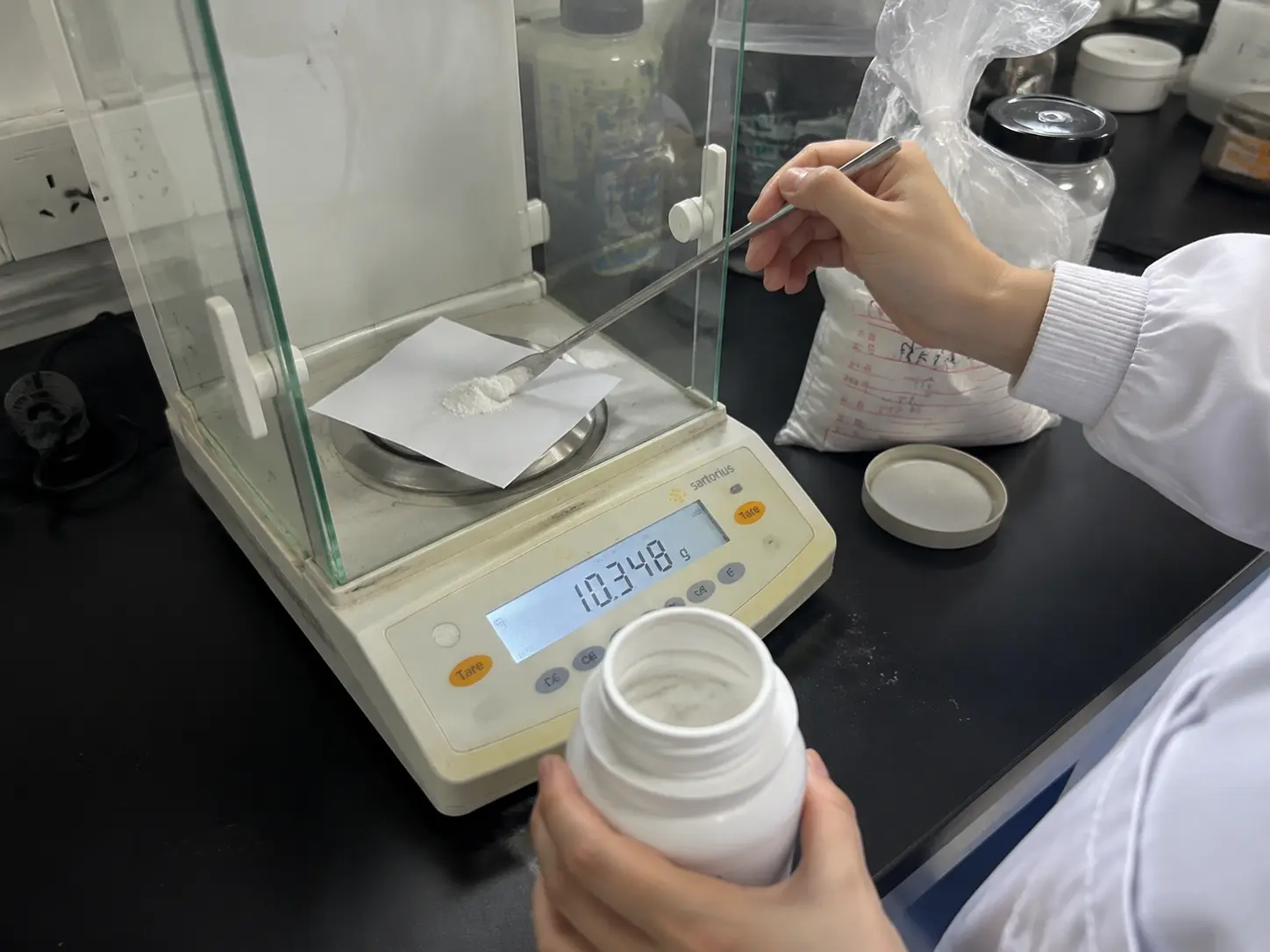
White flame retardant additive powder under QC lab inspection Fig. A01 — additive form + lab control

Use a real image of flame retardant powder on a stainless tray with sieve analysis, lab tools or QC setup. The image should prove additive form, particle control and technical formulation handling.

FR additive series
Form — powder / liquid / blend
Use — compounding
Goal — UL94 / LOI / low smoke
01 / 07Forms

Additive Forms for Different Processing Needs

Flame retardant polymer additives and additive flame retardants are selected not only by chemistry, but also by form, dosing method, dispersion requirements and the buyer's compounding process.

Forms: powder · liquid · compounded blend Dosing: direct compounding or in-line feeding Fit: matched to your process and equipment
A-01

Powder Flame Retardant Additives

For compounders that need direct formulation control, flexible active ingredient adjustment and integration with in-house mixing or extrusion recipes.

  • Best for direct compounding
  • Requires feeding and dust control
  • High formulation flexibility
A-02

Liquid Flame Retardant Additives

For selected polymer, coating, PU or process-specific applications where liquid dosing is preferred and compatibility must be confirmed.

  • Useful for selected systems
  • Requires compatibility checks
  • Can support process-specific dosing
A-03

Compounded Flame Retardant Blends

For buyers that need balanced flame performance, dispersion, smoke control and processing stability without building every component from zero.

  • Balanced multi-component system
  • Supports smoke and processing control
  • Can bridge additive and masterbatch needs
White flame retardant powder additive on stainless trayFig. A02 — white flame retardant powder additive on stainless trayAdditive form, particle control and lab handling before formulation.
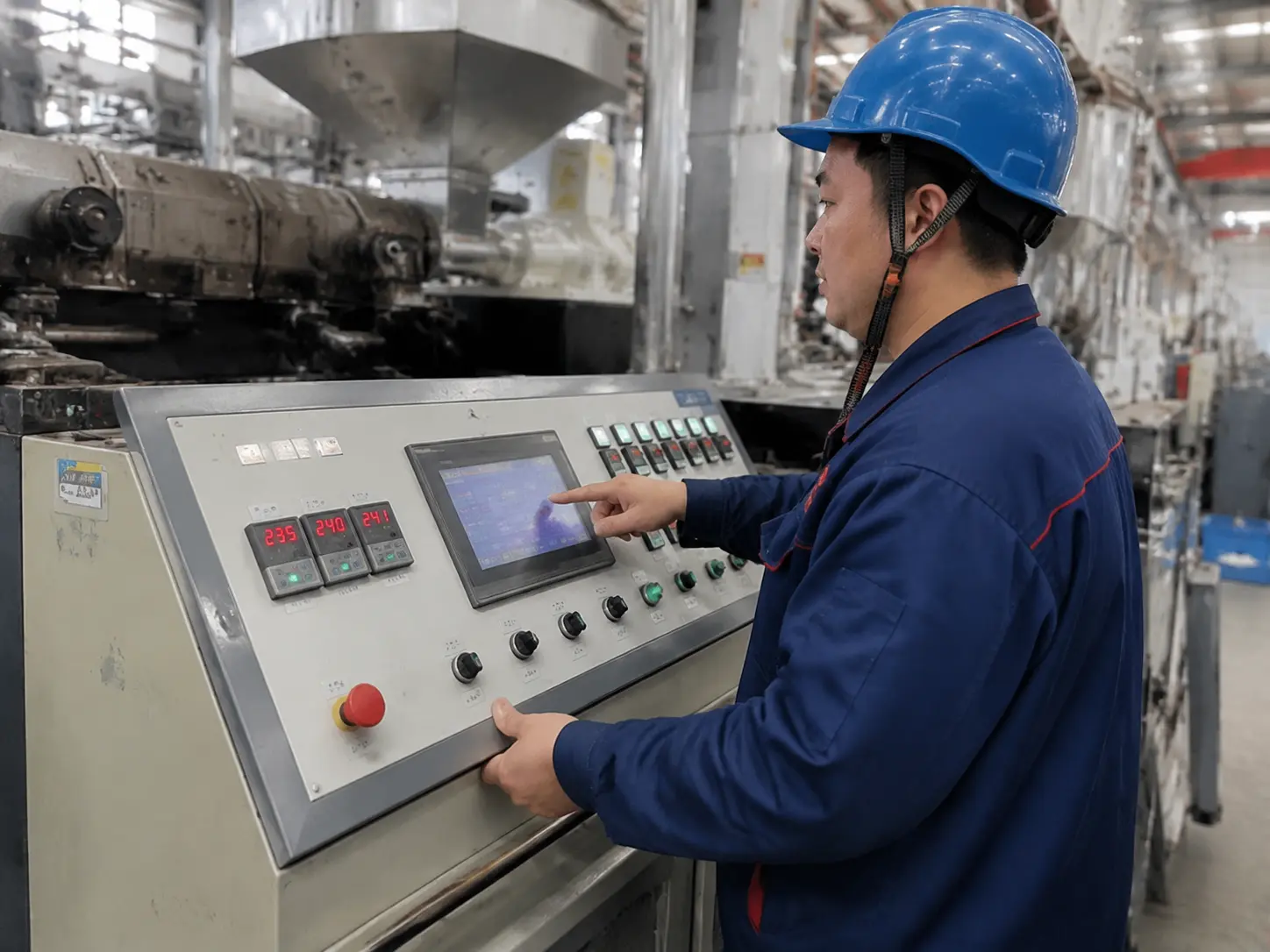
Blending and compounding lineFig. A03 — blending and compounding lineIn-house formulation and compounding capability.
02 / 07Systems

Halogen-Free, Halogenated and Low-Smoke Flame Retardant Systems

Different materials need different flame retardant chemistry. The right system depends on flame rating, smoke performance, processing temperature, cost and regulatory requirements.

Chemistries: halogen-free · halogenated · brominated · mineral Compliance: RoHS · REACH · low-smoke support Selection: by polymer and end-use
S-01

Halogen-Free Systems

For low-smoke, RoHS/REACH-oriented and engineering plastic applications where halogen content must be avoided.

S-02

Halogenated / Brominated Systems

For applications where high flame retardant efficiency and cost control are important, subject to regulatory confirmation.

S-03

Phosphorus and Nitrogen-Phosphorus

For selected plastics requiring halogen-free performance, char formation and a balance of flame rating and mechanical properties.

S-04

Mineral Flame Retardants

For low-smoke and high-loading applications where mechanical properties and processing stability must be managed carefully.

03 / 07Compatibility

Polymer Compatibility and Application Range

Use this table as a first filter before sample testing for flame retardant additives for polymers. Final selection should be confirmed by resin grade, processing method, target standard and end-use requirements.

Coverage: PP · PE · PVC · PC · PA · ABS · LSZH First filter: shortlist before sample testing Confirm: resin grade, standard and end-use
PolymerTypical Additive DirectionHalogen-FreeHalogenatedTypical TargetsProcessing NotesRelated Page
PP / PolypropylenePhosphorus-nitrogen or compounded systemsCommonAvailableUL94 V-2 / V-0 · LOI 26–32Check dispersion, smoke and mechanical retentionPP application
PE / PolyethyleneMineral, halogen-free or cable compound systemsCommonAvailableUL94 HB / V-2 · LOI 24–30Often linked to cable, pipe or film requirementsPE application
PVCLow-smoke, synergist or application-specific systemsOn requestCommonLOI 30–38 · low smokeConfirm flexible/rigid PVC, plasticizer and smoke targetPVC application
PC / PC-ABSEngineering plastic flame retardantsPreferred for many specsOn requestUL94 V-0 @ 1.5 mm · heat resistanceConfirm heat resistance, color, transparency and UL94 thicknessPC / PC-ABS
PA / NylonPhosphorus, nitrogen or reinforced compound systemsAvailableAvailableUL94 V-0 · GWFI 960 °CConfirm glass fiber, processing temperature and GWFI targetPA / Nylon
ABSBrominated or custom halogen-free directionOn requestCommonUL94 V-0 / HBBalance impact, color and injection molding stabilityABS application
LSZH Cable CompoundsLow-smoke halogen-free mineral / compounded systemsCore directionNot typicalIEC 60332 · low smoke zero halogenConfirm cable standard, smoke density and mechanical needsLSZH compounds
04 / 07Comparison

When to Choose Additives Instead of Masterbatch

Additives and masterbatch solve the same problem in different ways. Use the guide below to choose the form that fits your process, equipment and handling needs.

Choose Flame Retardant Additives When...

You need maximum formulation control, direct compounding, flexible active ingredient adjustment or integration with an existing recipe.

  • Compounders with mixing and extrusion capability
  • Projects that require custom active ingredient balance
  • Applications where cost and formulation control matter most

Choose Flame Retardant Masterbatch When...

You need cleaner dosing, easier handling, better pre-dispersion and direct let-down on extrusion or injection molding lines.

05 / 07Selection

How to Select the Right Flame Retardant Additive

A useful recommendation requires more than a product name. These factors determine whether a flame retardant additive can meet flame, processing, compliance and cost targets.

01Base resin
02Target flame rating
03Halogen-free or halogenated
04Smoke and toxicity requirements
05Processing temperature
06Mechanical performance
07Color or transparency
08Regulatory requirement
09Cost target
06 / 07Manufacturing

Flame Retardant Additives Manufacturer Capability

As a flame retardant additives manufacturer, we support custom formulation, sample testing, powder and compounded blend supply, batch production, quality control and export packaging. See our flame retardant manufacturer page for full production capability, OEM and RFQ details.

Formulation: custom recipe development Quality: QC with UL94 / LOI validation Supply: samples, batch production and export
  • C-01Custom formulation
  • C-02Powder and compounded blend supply
  • C-03Sample support
  • C-04Particle and dispersion control
  • C-05Batch production
  • C-06Quality control
  • C-07Export packaging and documents
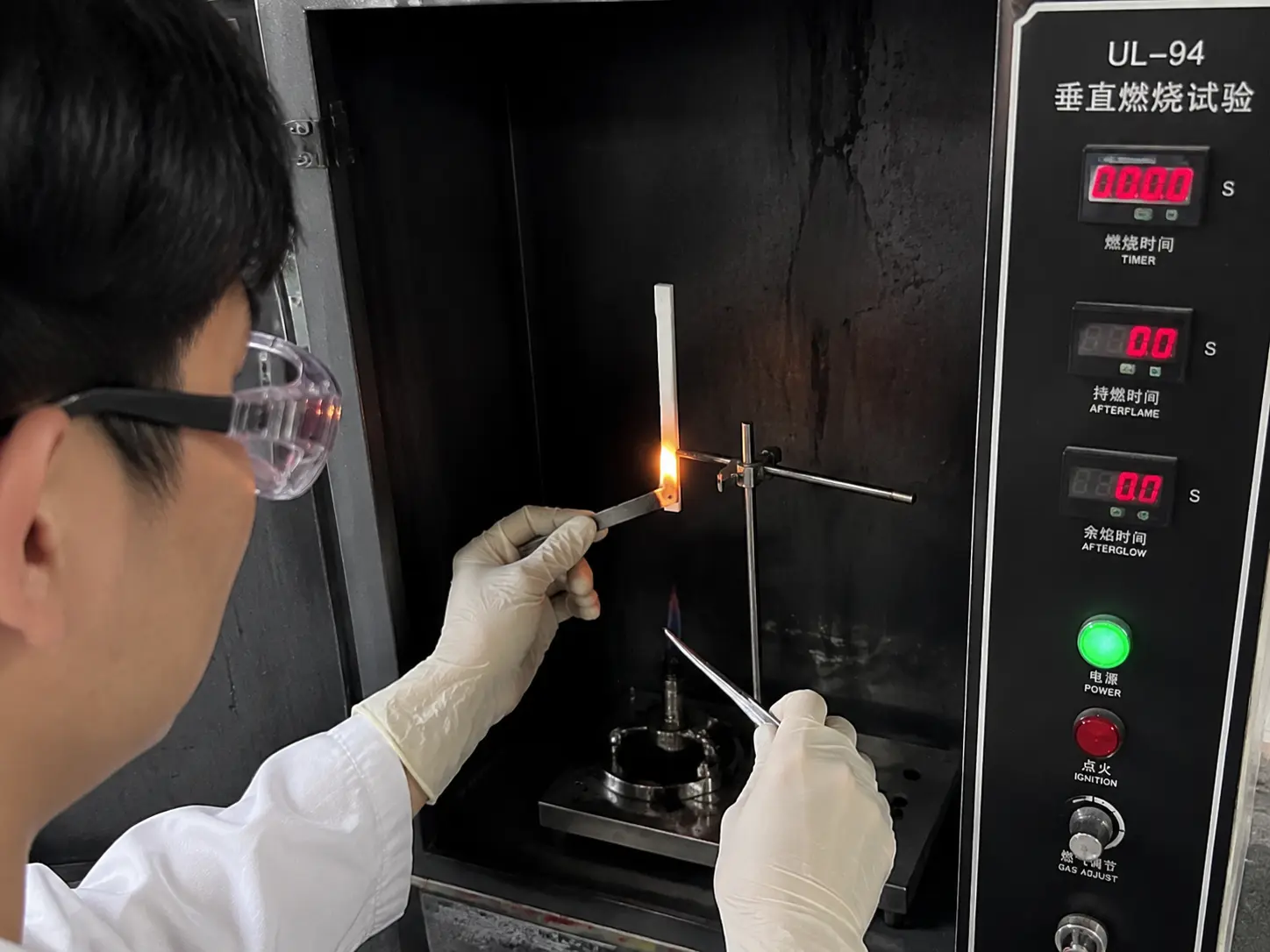
QC lab, UL94 vertical burn and LOI testingFig. A04 — QC lab, UL94 vertical burn and LOI testingFlame rating and oxygen index validation.
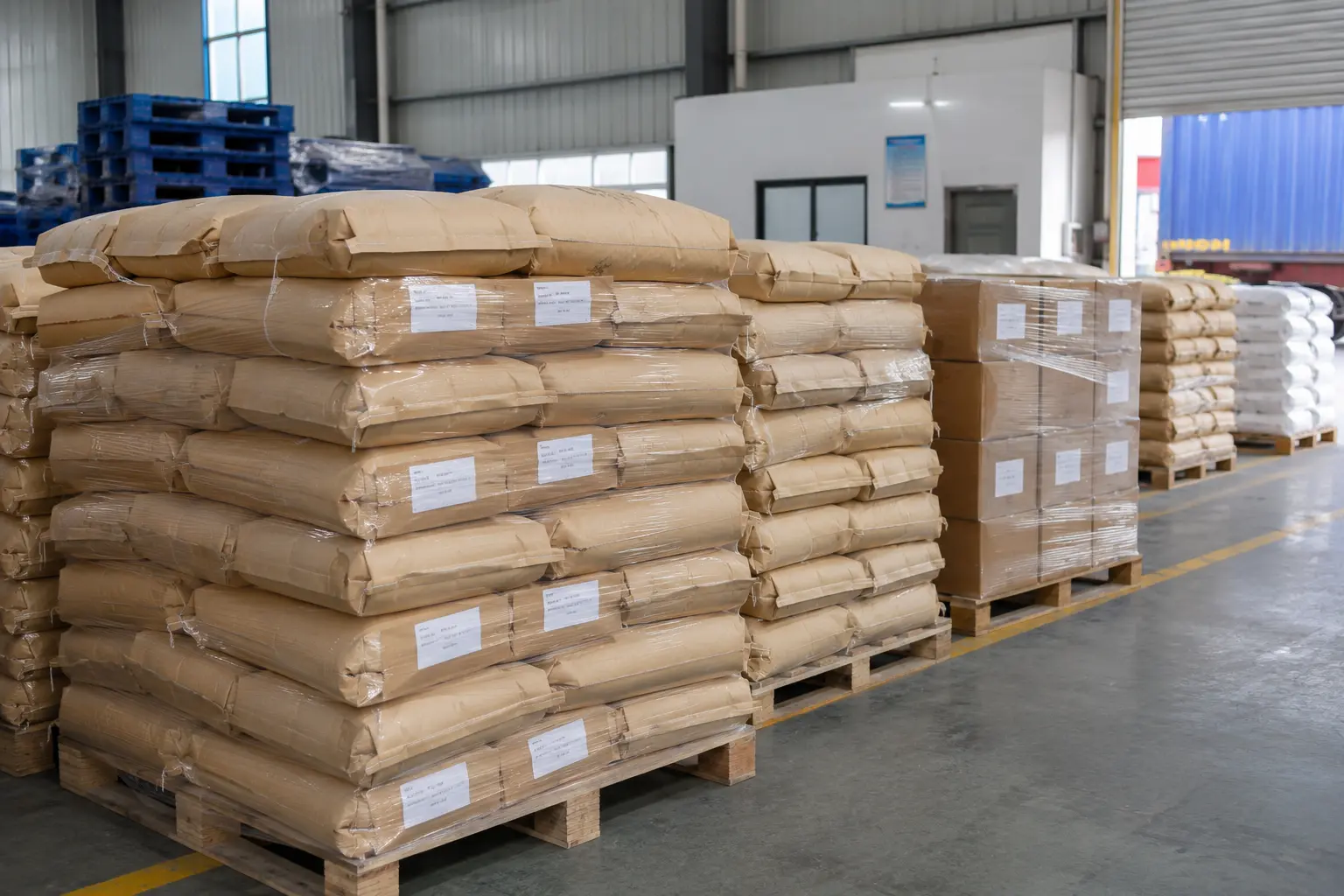
Export bags, drums and palletized goodsFig. A05 — export bags, drums and palletized goodsBatch production, packaging and worldwide B2B supply.
07 / 07FAQ

Buyer Questions About Flame Retardant Additives

Direct answers help engineers and procurement teams decide whether to request additive samples, masterbatch samples or a custom formulation discussion.

What are flame retardant additives?

Flame retardant additives are powder, liquid or compounded ingredients added to plastics and polymers to reduce flammability and help reach flame rating, smoke or compliance targets.

Which flame retardant additive system should be selected?

Selection depends on base resin, processing temperature, target flame rating, smoke requirement, halogen-free or halogenated requirement, color, mechanical performance and cost target.

Can one additive work for every polymer?

No. PP, PE, PVC, PC, PC/ABS, PA, ABS, PU and LSZH cable compounds have different processing temperatures, smoke requirements and mechanical property needs.

What should be included in an additive RFQ?

Share base resin, processing method, target standard, halogen-free or halogenated requirement, color, mechanical performance, trial quantity and any compliance requirements.

Request a Flame Retardant Additive Recommendation

Send your resin type, processing method, target flame rating and compliance requirements. We will recommend a suitable additive direction or sample option for testing.

Include in your inquiryFR-ADD-RFQ
  • Base resinPP, PE, PVC, PC, PA, ABS, PU, cable compound
  • ProcessingExtrusion, injection molding, compounding, coating
  • Target standardUL94 V-0 / V-1 / V-2, LOI, low smoke, LSZH
  • RequirementHalogen-free, halogenated, smoke, color, transparency
  • Trial volumeSample quantity and expected annual demand