Rectivas Materials · Flame retardant manufacturer and formulation partner sales@rectivas.com  ·  WhatsApp +86 180 3191 1520

Flame Retardant Additives for Plastics and Polymers

Application guide for choosing flame retardant additives for plastics and polymers, including PP, PE, PVC, PC, PC/ABS, PA, ABS, PU and LSZH cable compounds. Compare additive, masterbatch, halogen-free and halogenated options by resin, process and target flame rating.

PolymersPP · PVC · PC · PA · ABS
FormsAdditive · masterbatch
SystemsHalogen-free · halogenated
TargetsUL94 · LOI · low smoke
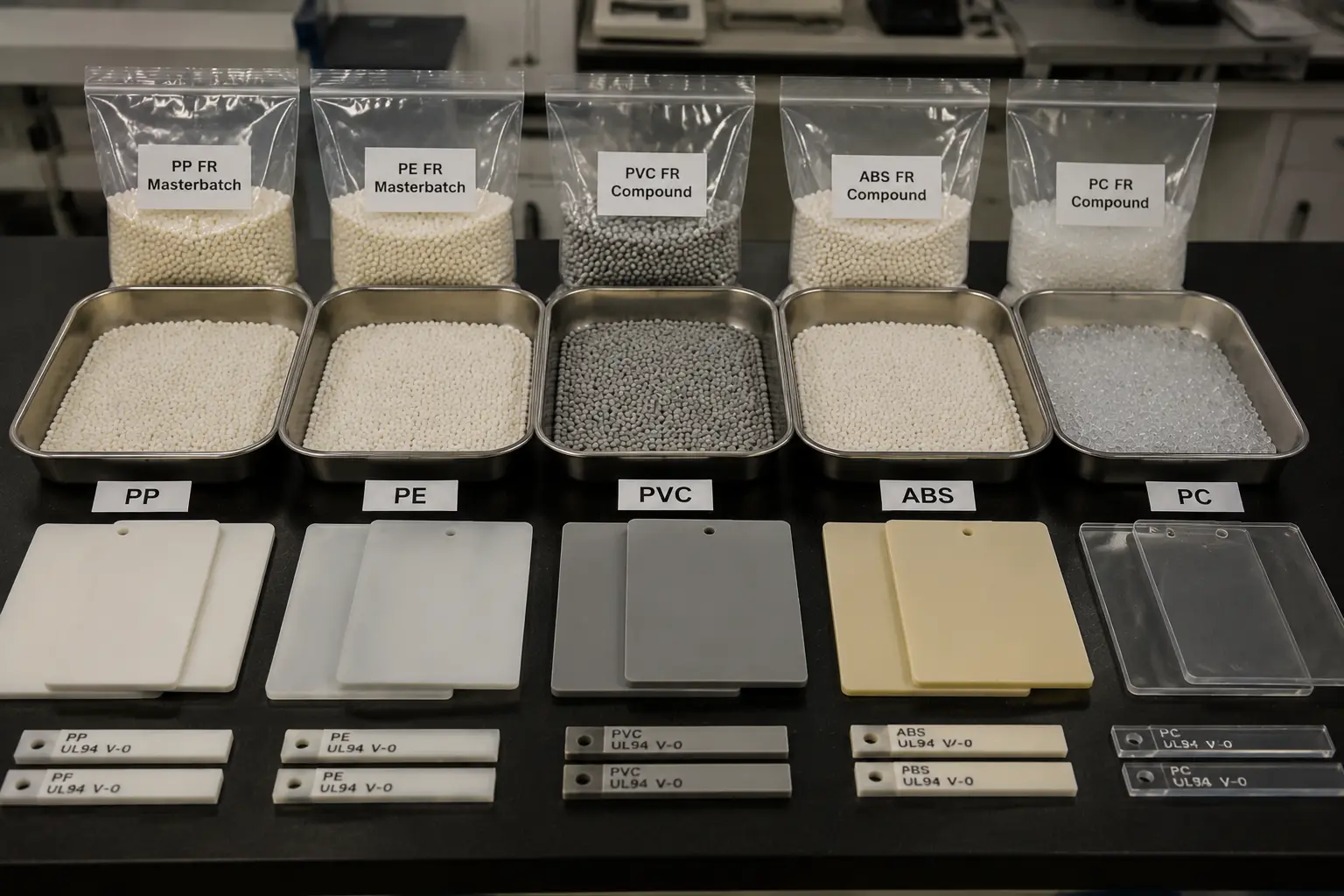
Polymer resin map for PP, PE, PVC, ABS and PC applications Fig. AP01 — polymer application map

Use a real image showing plastic pellets, sample plaques or molded parts labeled by resin. The image should help buyers understand this page is about material selection, not only product packaging.

Application selection
Resin — PP / PVC / PC / PA
Process — extrusion / injection
Goal — rating + compliance
01 / 07Overview

Start Flame Retardant Selection from the Polymer

A useful flame retardant recommendation starts with the base plastic. The same additive system can behave differently in polypropylene, PVC, PC/ABS, nylon or LSZH cable compounds because processing temperature, polarity, smoke target and mechanical retention are not the same.

Buyer use: choose a starting direction before RFQ Search intent: plastics and polymer application terms Next step: additive sample or masterbatch sample
AP-01

For Compounders

Use powder flame retardant additives or compounded blends when you control extrusion recipes, active loading, dispersion and cost balance internally.

  • Best for direct formulation control
  • Requires feeding and dispersion management
  • Useful for custom compound development
AP-02

For Molders and Extruders

Use flame retardant masterbatch when cleaner dosing, pre-dispersion and simpler line operation are more important than building the full additive package from zero.

  • Cleaner handling than powder
  • Matched carrier resin improves compatibility
  • Suitable for extrusion and injection molding
AP-03

For Compliance-Driven Projects

Use halogen-free or low-smoke systems when the application must consider RoHS, REACH, LSZH cable requirements, smoke density or customer restricted substance lists.

  • Common in electrical, cable and enclosure parts
  • Requires resin-specific validation
  • Often linked to UL94, LOI or IEC tests
PP, PVC, PC and PA pellets with molded test plaquesFig. AP02 — PP, PVC, PC and PA pellets with molded test plaquesShows resin coverage and application-based material selection.
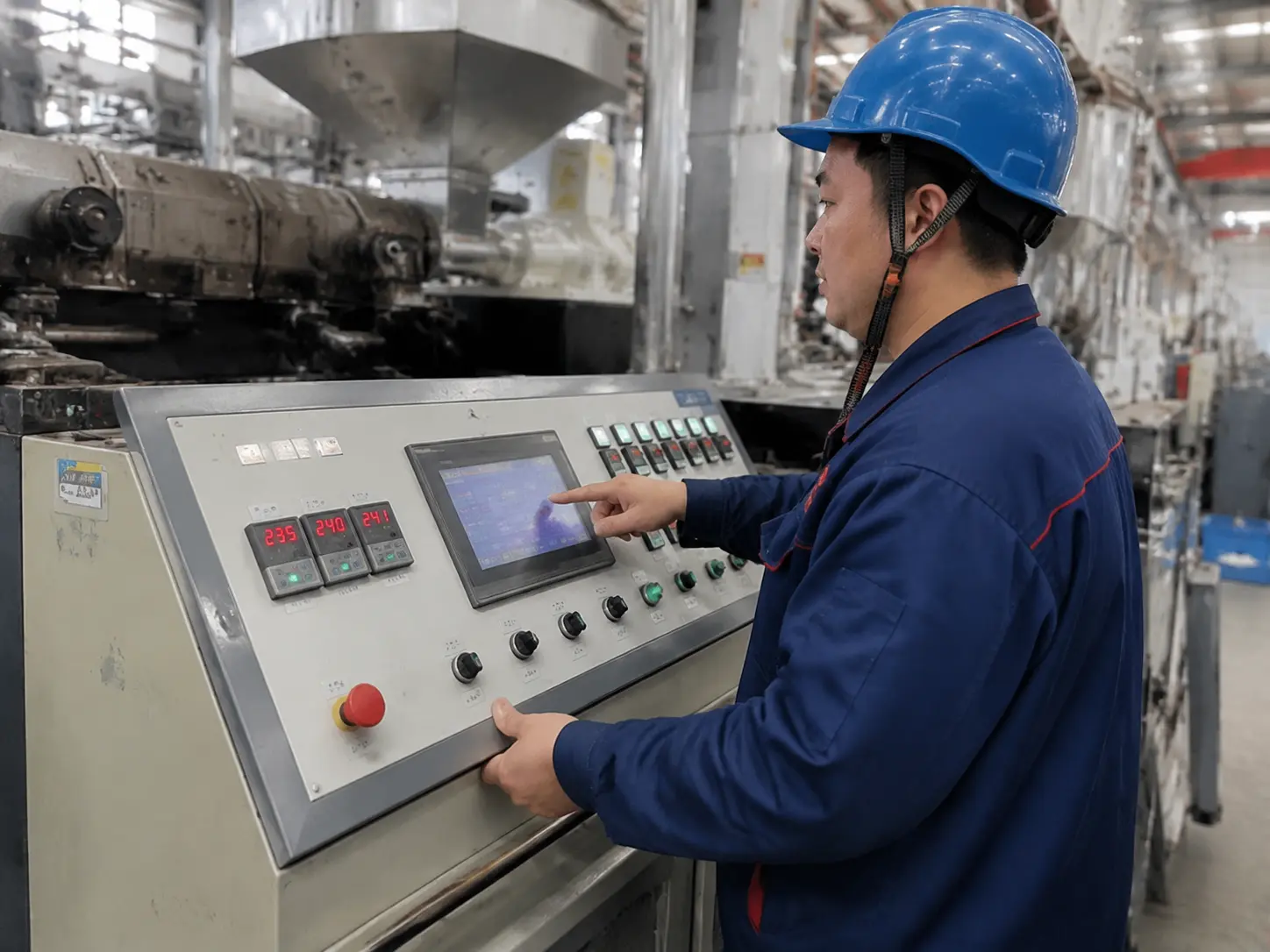
Extrusion or injection line producing flame-retardant plastic partsFig. AP03 — extrusion or injection line producing flame-retardant plastic partsConnects recommendation to real processing conditions.
02 / 07Polymer Matrix

Application Matrix for Flame Retardant Polymer Additives

Use this matrix to shortlist flame retardant additives for polymers before sample testing. It covers common application searches such as flame retardant additives for polypropylene, flame retardant additives for PVC and PC flame retardant systems.

Coverage: PP · PE · PVC · PC · PC/ABS · PA · ABS · PU · LSZH Buyer value: fast first-screen before samples Validation: final choice depends on testing
PolymerRecommended DirectionHalogen-FreeHalogenatedTypical TargetsProcessing NotesBest Next Page
PP / PolypropylenePhosphorus-nitrogen additives or PP carrier masterbatchCommonAvailableUL94 V-2 / V-0 · LOI 26–32Check dispersion, drip control, smoke and mechanical retentionPVC guide
PE / PolyethyleneMineral, halogen-free or PE carrier masterbatch systemsCommonAvailableUL94 HB / V-2 · LOI 24–30Often linked to cable, pipe or film requirementsABS guide
PVCLow-smoke, synergist or application-specific systemsOn requestCommonLOI 30–38 · low smokeConfirm flexible/rigid PVC, plasticizer and smoke targetAdditives
PC / PC-ABSPC flame retardant or PC/ABS engineering plastic systemsPreferred for many specsOn requestUL94 V-0 @ 1.5 mm · heat resistanceConfirm heat resistance, color, transparency and UL94 thicknessPC guide
PA / NylonPhosphorus, nitrogen or reinforced compound systemsAvailableAvailableUL94 V-0 · GWFI 960 °CConfirm glass fiber, processing temperature and GWFI targetAdditives
ABSBrominated or custom halogen-free directionOn requestCommonUL94 V-0 / HBBalance impact, color and injection molding stabilityMasterbatch
LSZH Cable CompoundsLow-smoke halogen-free mineral / compounded systemsCore directionNot typicalIEC 60332 · low smoke zero halogenConfirm cable standard, smoke density and mechanical needsLSZH guide
03 / 07Form Choice

Additives or Masterbatch for Plastic Applications?

The best product form depends on whether the buyer is a compounder, molder, extruder, cable compound producer or resin modifier. This section gives the page a real decision-making role instead of simply listing products.

Choose Flame Retardant Additives When...

You need maximum formulation control, flexible active ingredient adjustment or integration into an existing compounding recipe.

  • Compounders with mixing and extrusion capability
  • PP, PVC, PA or engineering plastic recipes under development
  • Projects where cost and active loading need close control
  • View flame retardant additives →

Choose Flame Retardant Masterbatch When...

You need cleaner dosing, easier handling, better pre-dispersion and direct let-down on extrusion or injection molding lines.

  • Molders, extruders and converters without powder feeding
  • Projects that prioritize clean handling and consistent dosing
  • Applications where carrier resin compatibility is important
  • View flame retardant masterbatch →
04 / 07System Choice

Halogen-Free or Halogenated by Application

Halogen-free flame retardant plastics are often requested for electrical, electronics, cable, enclosed-space and export compliance applications. Halogenated systems may still be considered when efficiency, cost or legacy specifications are the main priorities.

HF

Halogen-Free Plastics

Common for PC, PC/ABS, PA, LSZH cable compounds and applications where RoHS, REACH, low-smoke or customer restricted substance lists matter.

LSZH

Low-Smoke Cable Compounds

Best treated as an application-specific project because smoke density, mechanical properties and cable standards affect the complete formulation.

HB

Halogenated Systems

May support efficient flame retardant performance in selected ABS, PVC or cost-sensitive applications, subject to compliance confirmation.

BAL

Balanced Formulation

Most projects need a balance of flame rating, smoke, color, impact strength, heat resistance, processing stability and total cost.

05 / 07Selection

Information Needed for a Plastic Flame Retardant Recommendation

This page should convert visitors into useful RFQs. These details let the technical team recommend the correct additive system, carrier resin, sample direction and testing path.

01Base resin and grade
02Processing method
03Part thickness
04Target flame rating
05Halogen-free requirement
06Smoke requirement
07Color and appearance
08Mechanical property limits
09Trial and annual demand
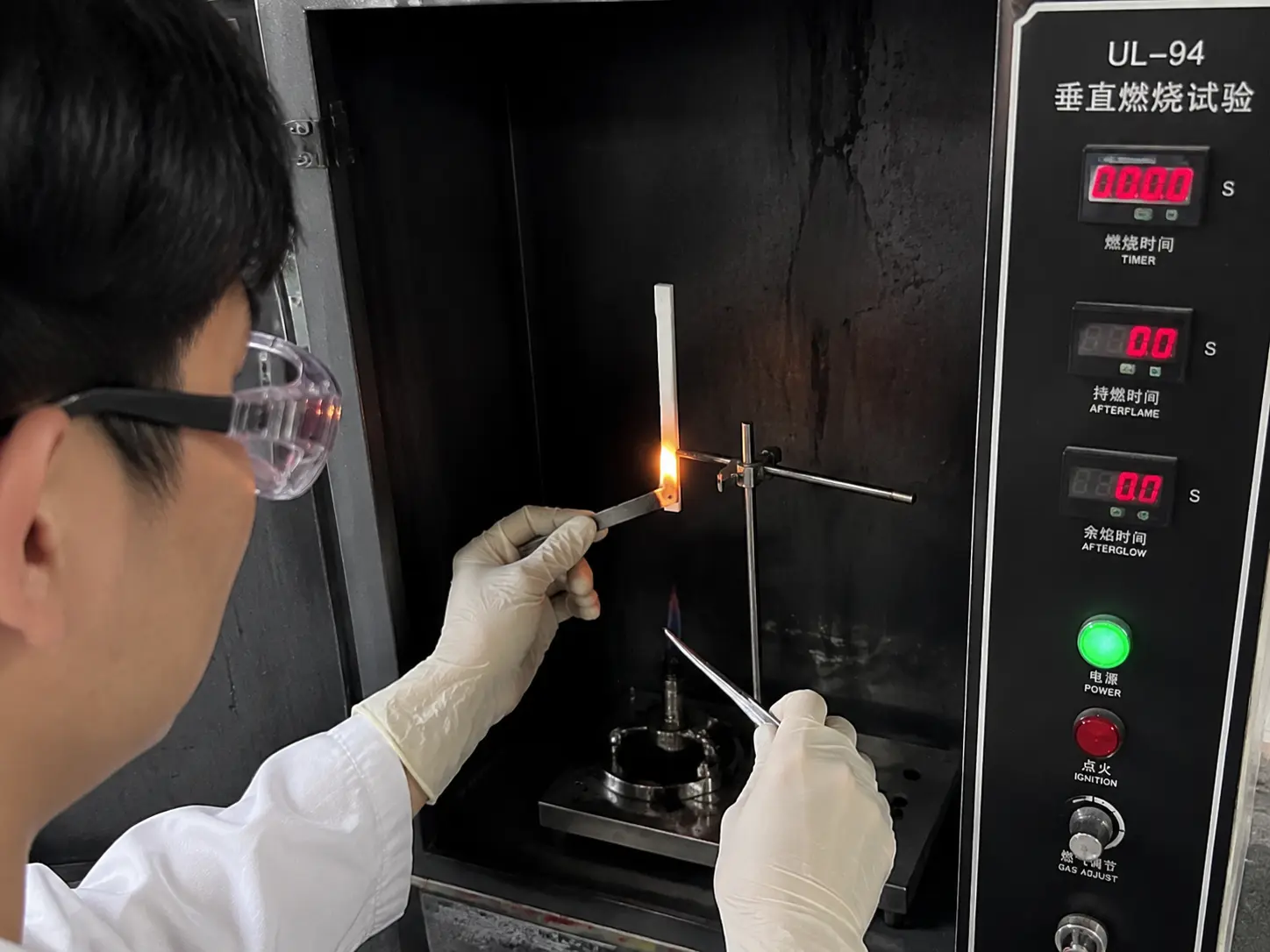
UL94 vertical burn test with labeled plastic plaquesFig. AP04 — UL94 vertical burn test with labeled plastic plaquesSupports technical credibility for flame rating claims.
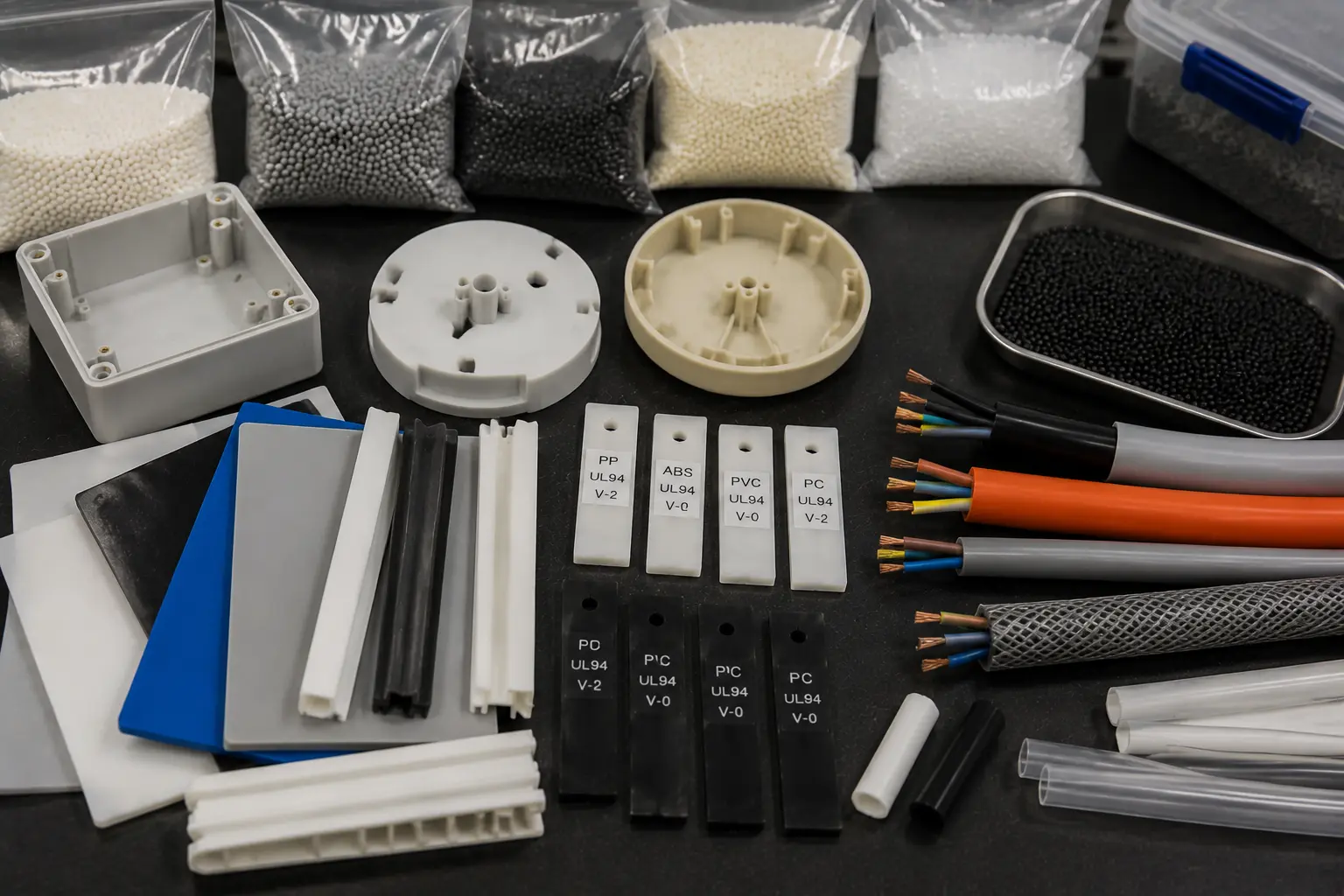
Application samples: cable jacket, enclosure, molded part and sheetFig. AP05 — application samples: cable jacket, enclosure, molded part and sheetShows real end-use scenarios instead of decorative imagery.
07 / 07FAQ

Buyer Questions About Flame Retardant Additives for Plastics

Direct answers help engineers and procurement teams compare polymer applications, additives, masterbatch, halogen-free systems and RFQ requirements before sample testing.

Which plastics can use flame retardant additives?

Flame retardant additives can be selected for PP, PE, PVC, PC, PC/ABS, PA, ABS, PU and LSZH cable compounds, but each polymer needs a different chemistry, loading level and processing check.

Are flame retardant additives or masterbatch better for plastics?

Powder additives are suitable for compounders that need formulation control, while flame retardant masterbatch is usually better for cleaner dosing, pre-dispersion and direct use in extrusion or injection molding.

Can PC flame retardant systems be halogen-free?

Many PC and PC/ABS flame retardant applications use halogen-free systems, but final selection depends on UL94 thickness, heat resistance, color, transparency and mechanical property targets.

What information is needed for a plastic flame retardant recommendation?

Share the polymer resin, processing method, target flame rating, part thickness, halogen-free or halogenated requirement, smoke target, color, mechanical property needs and expected trial volume.

Request a Flame Retardant Recommendation for Your Plastic

Send your polymer, processing method, target standard and application requirements. We will recommend whether to start with additives, masterbatch, halogen-free systems or halogenated systems.

Include in your inquiryFR-APP-RFQ
  • Base resinPP, PE, PVC, PC, PC/ABS, PA, ABS, PU, LSZH compound
  • ProcessingExtrusion, injection molding, compounding, coating
  • Target standardUL94 V-0 / V-1 / V-2, LOI, low smoke, LSZH
  • RequirementHalogen-free, halogenated, smoke, color, transparency
  • Trial volumeSample quantity and expected annual demand