Rectivas Materials · Flame retardant manufacturer and formulation partner sales@rectivas.com  ·  WhatsApp +86 180 3191 1520

Melamine Polyphosphate (MPP) Flame Retardant

The high-temperature member of the nitrogen family: melamine polyphosphate survives glass-filled PA66 and PBT processing where melamine cyanurate cannot, and pairs with phosphinates to form the standard halogen-free V-0 package for connectors and electronics parts. Supplied as fine powder, alone or in pre-balanced phosphinate packages.

ChemistryMelamine · polyphosphate salt · >350°C
RolesPhosphinate synergist · N-P intumescent
Typical dose5–10% in phosphinate packages
TargetsUL94 V-0 · GWIT/GWFI · RoHS
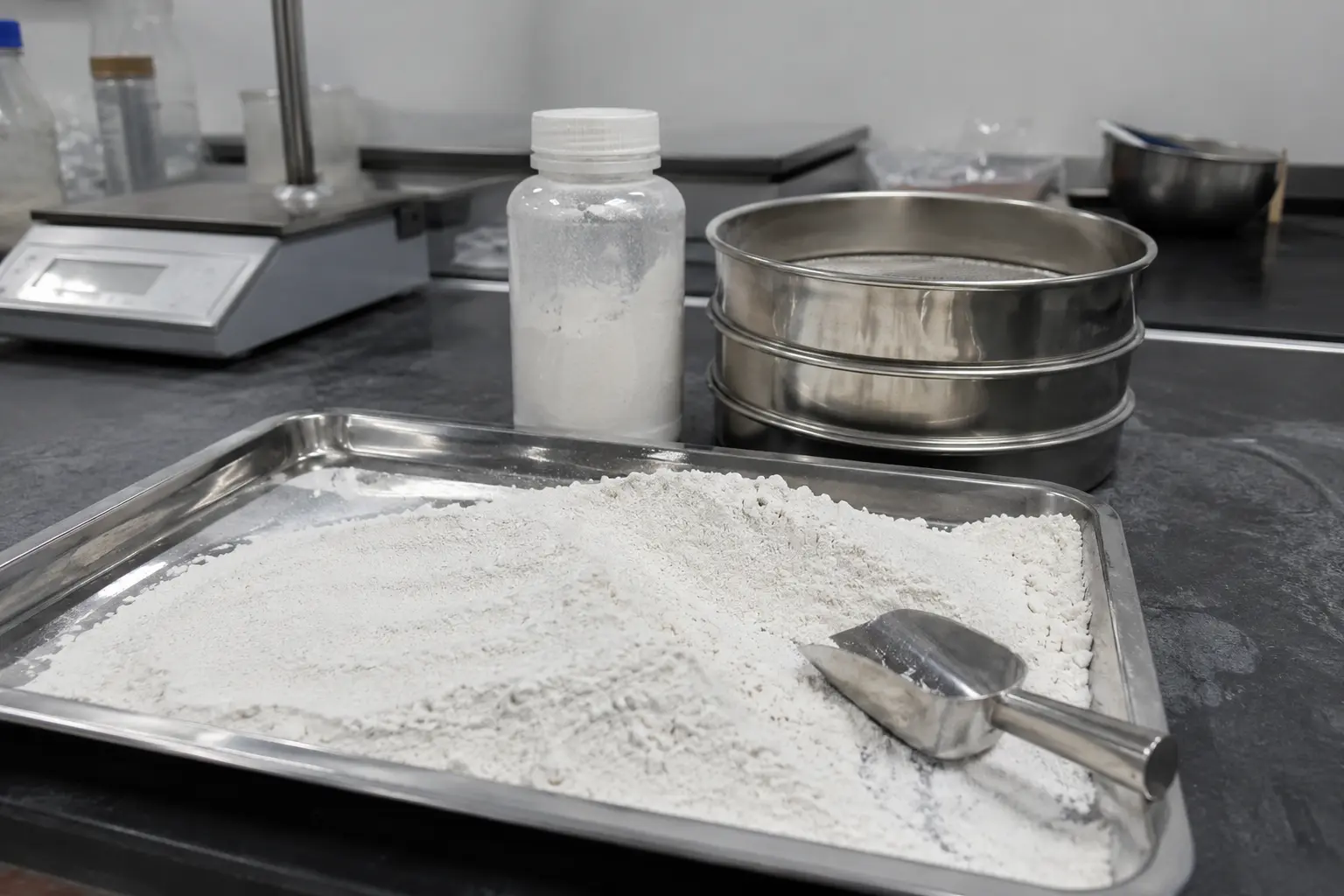
Melamine polyphosphate flame retardant white powder at the Rectivas QC lab Fig. MPP01 — fine white powder at incoming QC

MPP powder checked for particle size and moisture before formulation.

MPP series
Form — fine powder / package
Goal — halogen-free V-0 in GF resins
Use — PA66, PBT, intumescent systems
01 / 07Definition

What Is Melamine Polyphosphate?

MPP is the salt of melamine and polyphosphoric acid — nitrogen and phosphorus bound into one thermally rugged molecule that stays intact past ~350 °C. That number is the whole story: it is what lets MPP ride through PA66 processing at 280–300 °C, the zone where most other nitrogen and intumescent chemistry decomposes in the barrel.

Role: phosphinate synergist · N-P intumescent source Profile: halogen-free · antimony-free · low corrosivity Forms: fine powder · pre-balanced packages
MPP-01

The Glass-Fiber Problem Solver

Glass fibers wick flame along a burning part like a candle wick, defeating additives that work in unfilled resin. The phosphinate-MPP pair is the industry’s standard halogen-free answer in GF-PA66 and GF-PBT.

  • Built for 25–50% glass-filled polyamides
  • V-0 down to 0.4 mm walls in tuned packages
  • Holds glow-wire (GWIT/GWFI) alongside UL94
MPP-02

The Phosphinate’s Partner

MPP rarely works alone in engineering plastics — and phosphinates work measurably better with it. The ~2:1 DEPAL:MPP ratio is one of the best-documented synergies in halogen-free flame retardancy.

  • Cuts total loading vs phosphinate alone
  • Improves char and comparative tracking (CTI)
  • Package ratio tuned per resin and wall
MPP-03

The High-Temp Intumescent Source

In intumescent terms MPP is acid source and blowing agent in one molecule — the option formulators reach for when an APP-based system can’t take the processing temperature.

  • Acid + gas source combined
  • Survives where APP hydrolyses or decomposes
  • Used in high-temp coatings and TPU/elastomers
02 / 07Mechanism

How MPP Works

Both halves of the salt earn their place: the polyphosphate half builds char in the condensed phase while the melamine half dilutes the flame in the gas phase.

M-01

Phosphate Char Catalysis

On decomposition the polyphosphate releases phosphoric acid species that catalyze crosslinking and char formation — a protective barrier over the polymer and around the glass fibers.

M-02

Melamine Gas Dilution

The melamine fraction releases inert nitrogen gases and absorbs heat through its own endothermic breakdown and vaporization, thinning the fuel/oxygen mix below the flame.

M-03

Synergy With Phosphinates

Combined with DEPAL-type phosphinates, aluminum phosphate structures reinforce the char while gas-phase phosphorus and nitrogen work the flame — more rating per percent than either component alone.

03 / 07Applications

Where MPP Is Used

Its home ground is glass-filled electronics polyamides — with honest signposts to the neighboring chemistries where they fit better.

ApplicationPartner SystemTypical PackageWhat It DeliversRelated Page
GF-PA66 connectors & E&E partsDEPAL-type phosphinate~2:1 phosphinate:MPP, 15–20% totalHalogen-free V-0 at 0.4–0.8 mm; glow wire; CTIFlame retardant nylon
GF-PBT connectors & bobbinsPhosphinate systemsRatio tuned per wall thicknessHalogen-free V-0; electrical property retentionFR PBT guide
Unfilled PA6/PA66 housings— (different chemistry wins)MC at 5–15% insteadIn unfilled nylon, melamine cyanurate is the economical answerMelamine cyanurate
PP and general intumescent systems— (different chemistry wins)APP-based systems insteadBelow ~250°C processing, APP intumescents are more economicalAmmonium polyphosphate
High-temp coatings, TPU & elastomersChar formers, phosphinatesSystem-dependentIntumescent action where APP can’t take the heat
04 / 07Comparison

MPP vs Melamine Cyanurate

Two melamine salts, two different jobs. Picking the wrong one is the most common formulation error we see in polyamide RFQs.

Choose MPP When…

The resin is glass-filled, the walls are thin, or the processing is hot.

  • Glass or mineral fill defeats MC’s drip-away mechanism
  • Processing runs 280–300 °C (GF-PA66, PBT)
  • The spec stacks V-0 with glow wire and CTI clauses
  • You are already using a phosphinate and want the synergist half

Choose Melamine Cyanurate When…

The resin is unfilled and cost per part is the driver.

  • Unfilled PA6/PA66 housings, cable ties, wiring parts
  • V-0 or V-2 at standard walls without phosphorus cost
  • Whitest color and lowest additive price matter
  • Melamine cyanurate in detail →
05 / 07Selection

What Decides an MPP Package

The phosphinate ratio, the total loading and the grade’s thermal stability are engineered to the part — resin, fill level, wall and test stack together.

01Resin & glass-fill level
02Processing temperature window
03Wall thickness at test point
04Test stack (UL94 + GWIT + CTI)
05Phosphinate:MPP ratio
06Moisture handling & drying
07Electrical property retention
08Color & surface requirements
09Cost per rated part
06 / 07Capability

How Rectivas Supplies MPP

Mostly as the engineered half of a package: the phosphinate ratio and loading are set against your part’s test stack and verified in our burn lab before quotation.

  • C-01MPP fine powder grades with controlled particle size and thermal stability
  • C-02Pre-balanced phosphinate-MPP packages for GF-PA66 and GF-PBT
  • C-03Ratio and loading development against UL94 + glow wire + CTI stacks
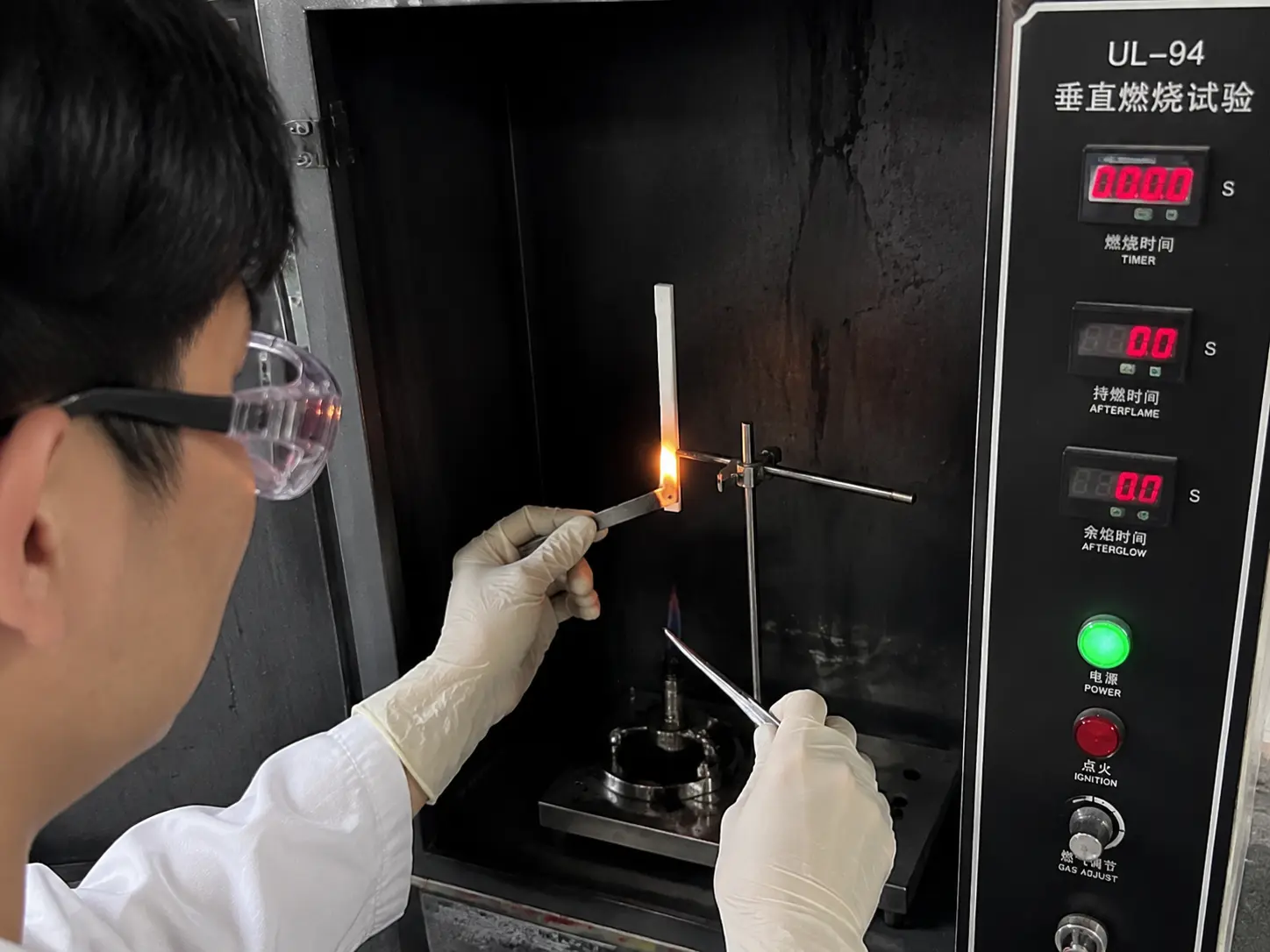
  • C-04UL94 and LOI verification on customer resin before quotation
  • C-05TDS / SDS / COA documentation, third-party reports via CTI (Hebei) Testing & Certification
  • C-06Batch traceability from raw material to shipped lot under ISO 9001
  • C-07Export packaging and worldwide delivery
UL94 burn verification of a phosphinate-MPP flame retardant packageFig. MPP02 — burn verification in our labEvery package ratio is burn-tested before we quote it.
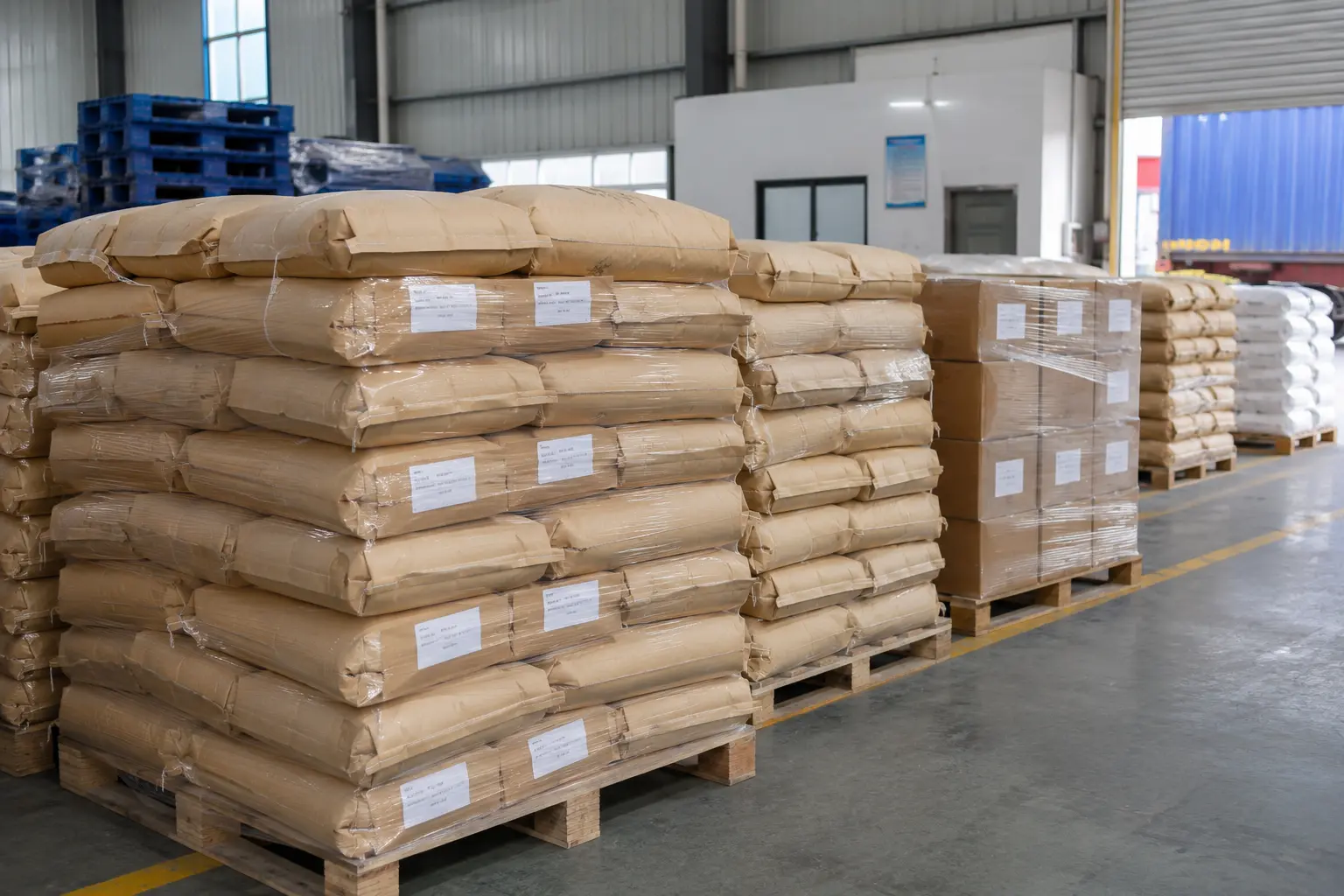
Export packaging of melamine polyphosphate flame retardant powderFig. MPP03 — export packagingBags, big bags and palletized supply for overseas buyers.
07 / 07FAQ

Buyer Questions About MPP

Direct answers for formulators and procurement evaluating melamine polyphosphate before sampling.

What is melamine polyphosphate flame retardant used for?

Primarily as the synergist half of phosphinate packages in glass-filled PA66 and PBT — the standard halogen-free route to UL94 V-0 connectors and E&E parts — and as a high-temperature nitrogen-phosphorus source in intumescent systems that run too hot for APP.

MPP vs melamine cyanurate — which one for my nylon?

Unfilled nylon: melamine cyanurate, cheaper and sufficient. Glass-filled nylon or PBT: MPP with a phosphinate — the fibers defeat MC’s mechanism, and MPP’s thermal stability survives the hotter processing. Fill level is the deciding line.

What ratio of phosphinate to MPP should I use?

Around 2:1 phosphinate:MPP at 15–20% total loading is the well-documented starting point for V-0 in GF-PA66. The optimum shifts with wall thickness, fill level and the glow-wire clause, which is why we ladder the ratio on your resin and burn-test before quoting.

Does MPP cause corrosion or blooming in processing?

MPP is markedly less corrosive than red phosphorus and less water-soluble than APP, and it does not bloom the way small-molecule additives do. Standard precautions still apply: keep it dry, respect the ~350 °C stability ceiling, and verify color stability if the part is bright white.

Request an MPP Recommendation

Tell us the resin, glass-fill level, wall thickness at the test point and the full test stack — UL94, glow wire, CTI. We will design the phosphinate-MPP ratio and prove it in our burn lab before you commit a trial.

Include in your inquiryMPP-RFQ
  • Resin & fillPA66-GF30, PBT-GF30, unfilled, elastomer…
  • Wall thicknessAt the rated test point, in mm
  • Test stackUL94 rating, GWIT/GWFI, CTI class
  • Current packageIf replacing halogen or an existing HF system
  • Trial volumeSample quantity and expected annual demand