Rectivas Materials · Flame retardant manufacturer and formulation partner sales@rectivas.com  ·  WhatsApp +86 180 3191 1520

Zinc Borate Flame Retardant

The multitool of flame retardant synergists: zinc borate suppresses smoke, promotes char, kills afterglow — and since the antimony price shock, it has become the standard way to formulate antimony-lean. Supplied as fine powder and in pre-balanced packages for PVC cable, brominated systems, LSZH compounds and engineering plastics.

ChemistryHydrated zinc borate · ~290°C+
RolesSmoke · char · afterglow · Sb-lean
Typical dose2–8 phr (PVC)
TargetsUL94 · LOI · IEC 61034 smoke
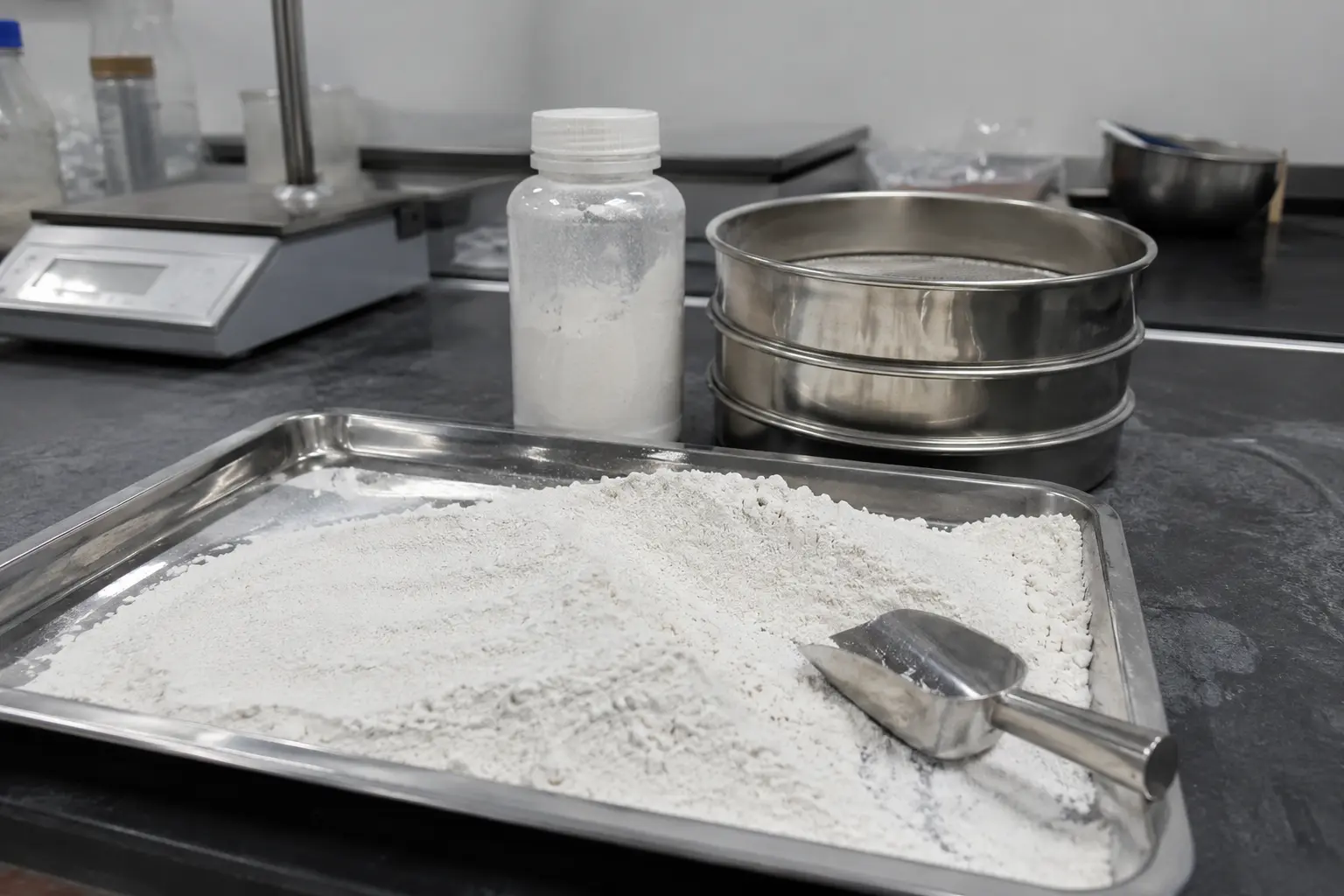
Zinc borate flame retardant white powder at the Rectivas QC lab Fig. ZB01 — zinc borate powder at incoming QC

Fine white zinc borate powder checked before formulation.

ZB series
Form — fine powder / package
Goal — smoke down, antimony-lean
Use — PVC, brominated, LSZH
01 / 07Definition

What Is Zinc Borate?

Zinc borate is a hydrated inorganic borate (the workhorse grade is the 2ZnO·3B₂O₃·3.5H₂O type) that holds its water of hydration past ~290 °C — high enough to survive PVC, polyolefin and most engineering-plastic processing. It is rarely the star of a formulation; it is the additive that makes the star perform — and cost — better.

Role: synergist · smoke suppressant · char promoter Profile: halogen-free mineral · antimony-free Forms: fine powder · pre-balanced packages
ZB-01

The Antimony-Lean Lever

In PVC and brominated systems, zinc borate replaces up to ~75% of the antimony trioxide while holding the flame rating — the formulation answer to antimony’s price volatility and SVHC scrutiny.

  • Documented substitution up to ~75% of Sb₂O₃
  • Cuts exposure to antimony price swings
  • Smoke numbers usually improve as a bonus
ZB-02

The Smoke Suppressant

Antimony boosts flames retardancy but worsens smoke; zinc borate pulls the other way — sealing char and trapping carbon in the condensed phase instead of releasing it as soot.

  • Key tool for PVC cable smoke targets
  • Works with or without ATH/MDH
  • Helps pass IEC 61034 smoke density
ZB-03

The Afterglow & Arc Fixer

In engineering plastics and rubber, zinc borate suppresses afterglow (the smolder after flame-out) and improves arc and tracking behavior — small doses that fix specific test failures.

  • Afterglow suppression in PA, PBT, rubber
  • Supports CTI / arc resistance targets
  • Typical fix-it dose: 1–5 phr
02 / 07Mechanism

How Zinc Borate Works

Mostly condensed-phase action — which is exactly why it complements gas-phase halogen systems instead of competing with them.

Z-01

Glassy B₂O₃ Layer

Above ~290 °C the borate dehydrates and boron oxide flows into a glassy film that seals the char, insulates the polymer and blocks fuel release.

Z-02

Water Release & Char Lock

Bound water leaves endothermically — a small heat-sink effect — while zinc species catalyze crosslinking and char formation, keeping carbon out of the smoke plume.

Z-03

Zinc Halide Assist

In halogenated systems, zinc borate forms volatile zinc halides that supplement the gas-phase radical quenching — the chemistry behind partial antimony replacement.

03 / 07Applications

Where Zinc Borate Is Used

Almost always as a partner — to antimony, to bromine, to ATH/MDH. The dose is small; the effect on smoke, cost and specific test clauses is not.

ApplicationPartner SystemTypical DoseWhat It FixesRelated Page
Flexible PVC cable & sheetSb₂O₃ + plasticized PVC2–8 phrSmoke density; antimony-lean cost; LOI supportPVC flame retardant
Brominated systems (PE, PP, ABS)Brominated FR + Sb₂O₃Replaces up to ~75% of Sb₂O₃Antimony exposure; smoke; char strengthBrominated additives
LSZH / halogen-free compoundsATH or MDH mineral base2–10 phrChar sealing; smoke; drip behaviorMineral FR (MDH & ATH)
Engineering plastics (PA, PBT)Brominated or phosphinate systems1–5 phrAfterglow; CTI / arc trackingFR PBT guide
Rubber, coatings & epoxySystem-dependent3–15 phrSmolder suppression; char quality
04 / 07Comparison

Zinc Borate vs Antimony Trioxide

Not rivals — teammates with different strengths. The practical question since the 2024–2025 antimony price shock is not “which one” but “what ratio”.

Lean on Zinc Borate When…

Smoke, cost stability or antimony scrutiny are pushing the formulation.

  • Smoke density clauses are hard to pass (cable, enclosed spaces)
  • Antimony price volatility is hurting quotes
  • Customers ask about SVHC / antimony content
  • Afterglow or arc-tracking tests are failing

Keep an Antimony Core When…

Raw flame efficiency per kilogram is the binding constraint.

  • V-0 at minimum loading is the target — Sb₂O₃ is still the stronger gas-phase synergist
  • Full 100% substitution usually costs LOI points
  • Most antimony-lean packages keep a reduced Sb core
  • How the antimony synergy works →
05 / 07Selection

What Decides a Zinc Borate Package

Grade and ratio are formulation decisions, not catalog picks — the right split between zinc borate, antimony and minerals depends on which test clause is hardest in your spec.

01Host system (PVC / Br / HFFR)
02Hardest test clause (flame vs smoke)
03Antimony substitution target
04Processing temperature
05Particle size & dispersion
06Afterglow / CTI requirements
07Water uptake & electrical spec
08Cost per rated part
09Existing formulation constraints
06 / 07Manufacturing

Zinc Borate Supply from Rectivas

We supply zinc borate as fine powder and — more usefully — inside pre-balanced packages: antimony-lean PVC systems, brominated packages and LSZH boosters, each burn-verified in-house at the substitution ratio we quote.

Forms: powder · balanced package · masterbatch Testing: in-house UL94 · LOI · smoke direction Documents: TDS · SDS · COA · CTI (Hebei) reports
  • C-01Antimony-lean ratio design (Sb : ZB balancing)
  • C-02PVC smoke-suppression package formulation
  • C-03Twin-screw loading ladders and burn verification
  • C-04Afterglow / CTI fix-it dosing support
  • C-05Pre-dispersed masterbatch supply
  • C-06Batch QC with TDS / SDS / COA per shipment
  • C-07Export packaging and worldwide delivery
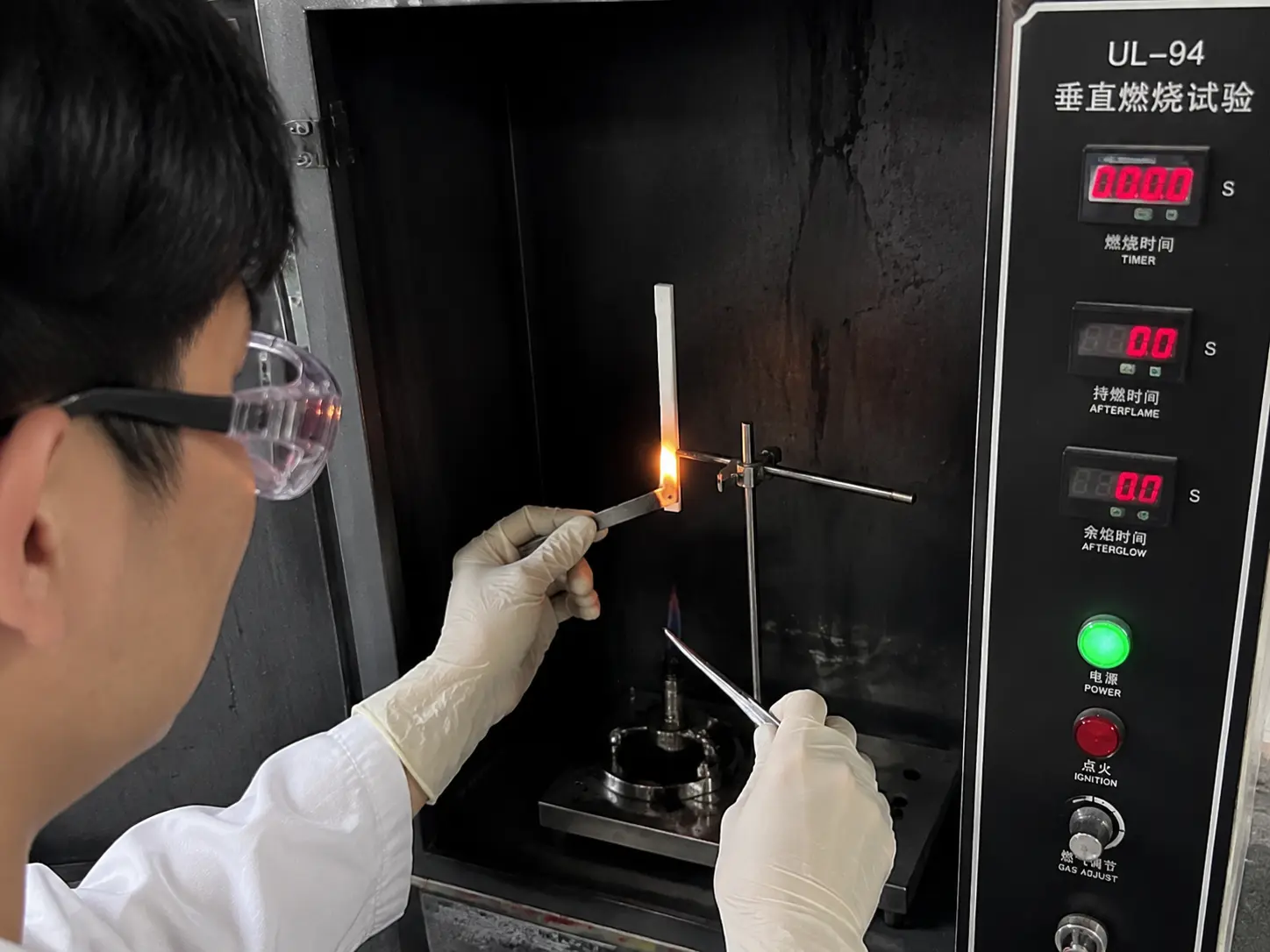
UL94 burn verification of an antimony-lean zinc borate formulationFig. ZB02 — burn verification in our labEvery substitution ratio is burn-tested before we quote it.
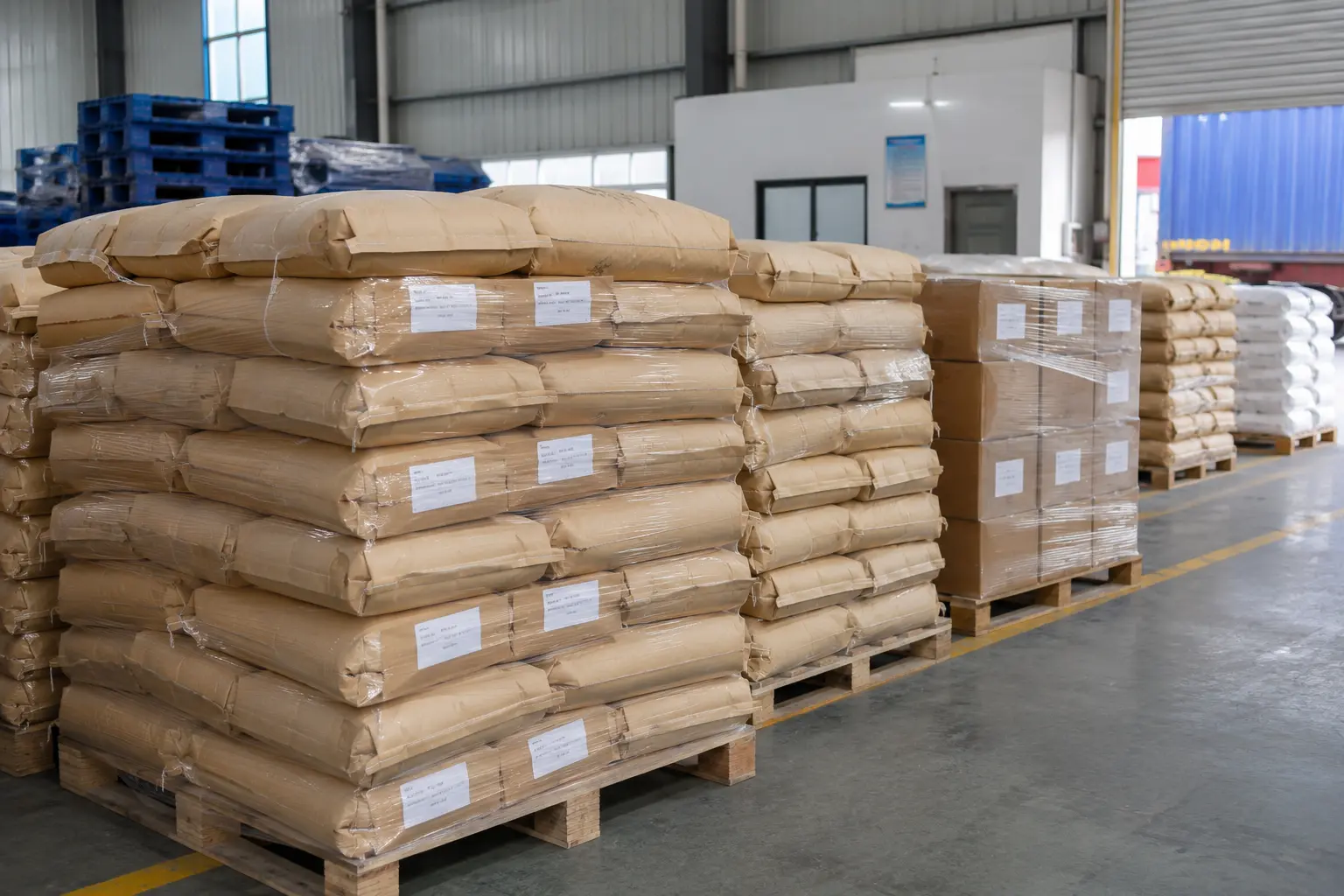
Export packaging of zinc borate flame retardant powderFig. ZB03 — export packagingBags, big bags and palletized supply for overseas buyers.
07 / 07FAQ

Buyer Questions About Zinc Borate

Direct answers for formulators and procurement evaluating zinc borate before sampling.

What is zinc borate flame retardant used for?

As a multifunctional synergist: suppressing smoke, promoting and sealing char, stopping afterglow, improving arc tracking — and, most prominently since the antimony price shock, replacing a large share of antimony trioxide in PVC and brominated systems.

Can zinc borate fully replace antimony trioxide?

Usually not fully. Substitution up to ~75% of the Sb₂O₃ holds flame performance in most PVC and brominated systems with better smoke as a bonus; going to 100% typically costs LOI and rating margin. Most antimony-lean packages keep a reduced antimony core.

Does zinc borate work in halogen-free systems?

Yes — as a char and smoke booster alongside ATH or MDH in LSZH-type compounds, typically at 2–10 phr. It is itself halogen-free and antimony-free, so it fits either side of the halogen divide.

What dose of zinc borate should I start with?

PVC cable: 2–8 phr alongside a reduced antimony core. Brominated polyolefins: begin by substituting a third of the Sb₂O₃ and ladder from there. Afterglow/CTI fixes in engineering plastics: 1–5 phr. We burn-test the ladder before recommending a final ratio.

Request a Zinc Borate Recommendation

Tell us the host system (PVC, brominated or halogen-free), the hardest clause in your spec, and your current antimony loading if the goal is substitution. We will design the ratio and prove it in our burn lab before you commit a trial.

Include in your inquiryZB-RFQ
  • Host systemPVC, brominated polyolefin, LSZH, PA/PBT, rubber
  • Hardest clauseFlame rating, smoke density, afterglow or CTI
  • Current Sb₂O₃phr, if antimony substitution is the goal
  • Target standardUL94, LOI, IEC 61034, customer spec
  • Trial volumeSample quantity and expected annual demand