Rectivas Materials · Flame retardant manufacturer and formulation partner sales@rectivas.com  ·  WhatsApp +86 180 3191 1520

Melamine Cyanurate Flame Retardant (MC)

The one flame retardant that fights fire with dripping. In unfilled nylon, 8–12% MC earns UL94 V-0 — a loading so low the mechanicals barely notice. Halogen-free, antimony-free, white, and gentle enough that even POM tolerates it. Supplied as fine powder and pre-blended packages.

ChemistryMelamine + cyanuric acid · N-rich
Stable to~320°C
Star loading8–12% in unfilled PA
ProfileHalogen-free · low smoke · white
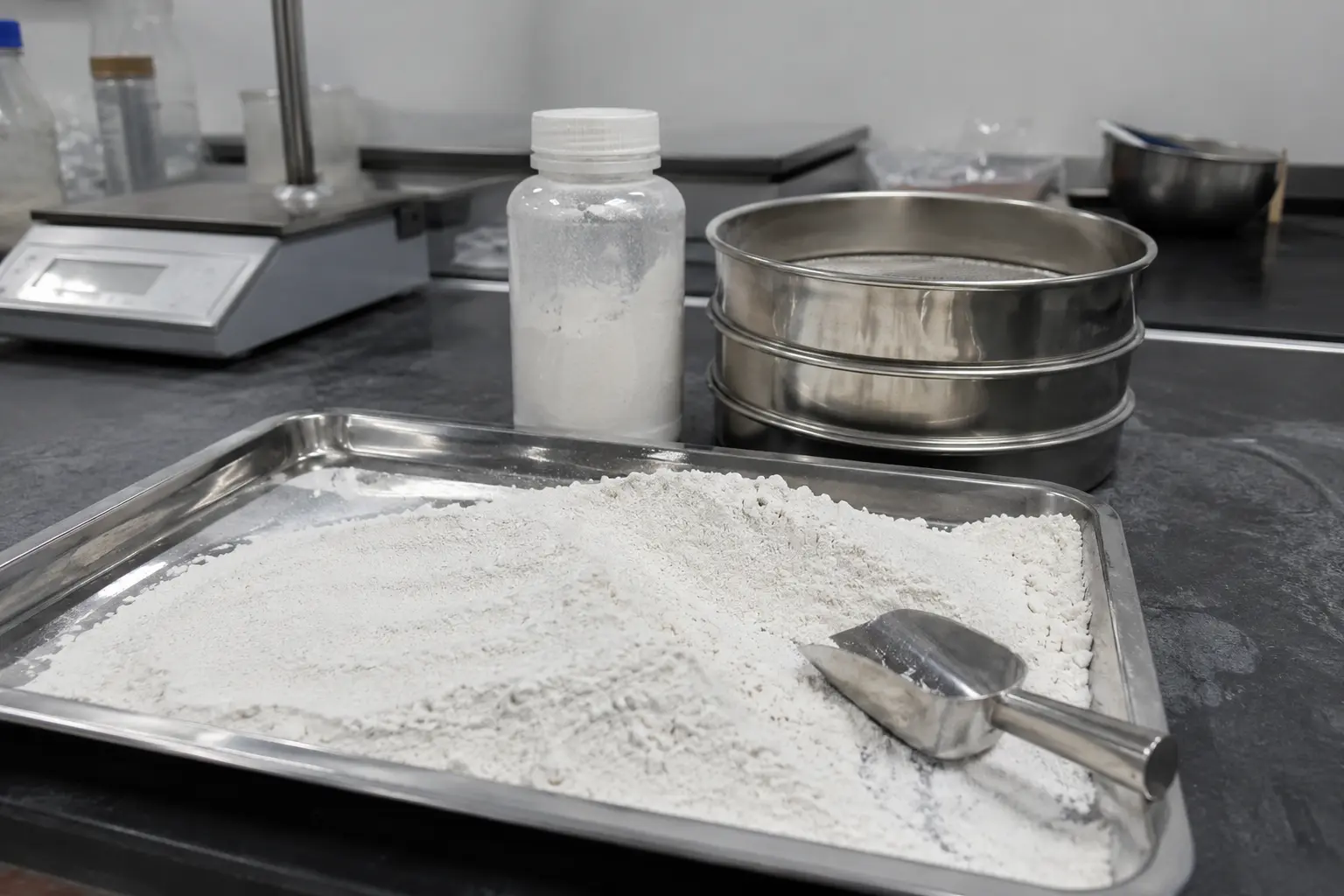
Melamine cyanurate flame retardant white powder at the Rectivas QC lab Fig. MC01 — MC powder at incoming QC

Fine white melamine cyanurate powder before compounding.

MC series
Form — fine powder / package
Goal — V-0 nylon at low loading
Use — PA, TPU, POM
01 / 07Definition

What Is Melamine Cyanurate?

Take melamine, pair it 1:1 with cyanuric acid, and the two lock into a salt-like adduct held together by hydrogen bonds. The result: a nitrogen store that stays put through 320 °C processing, then dumps inert gas exactly when a flame needs suffocating. No halogens, no phosphorus, no acid — which is why it fits resins other flame retardants would attack.

Role: nitrogen FR · drip promoter · N-synergist Profile: halogen-free · acid-free · low smoke Forms: fine powder · pre-blended packages
MC-01

Star Role: Unfilled Nylon

PA6 and PA66 without glass are MC’s home turf. V-0 at 8–12% — brominated needs more, minerals need five times more. Cable ties, connectors, housings.

  • V-0 with mechanicals nearly intact
  • White base, colors cleanly
  • The cost-per-part winner in neat PA
MC-02

Support Role: TPU & Phosphinates

In TPU, MC partners with DEPAL — the nitrogen half of the 18–22% package that keeps EV cable jackets both V-0 and flexible.

  • Standard N-synergist for phosphinate systems
  • Sharpens char, cuts total loading
  • One-pack blends available
MC-03

Special Role: POM’s Only Friend

POM depolymerizes under acid — halogens and most phosphorus systems are off-limits. MC is acid-free and even scavenges the formaldehyde POM sheds.

  • The practical FR for acetal parts
  • V-2 class at tolerable loadings
  • No processing-temperature conflict
02 / 07Mechanism

How MC Works: The Drip Trick

Every other flame retardant fights dripping. MC recruits it. UL94 V-0 forbids flaming drips — not drips. MC exploits that one word.

N-01

Heat Theft

Decomposition above ~320 °C is endothermic — energy leaves the flame zone just to break MC apart.

N-02

Nitrogen Flood

Released melamine and its breakdown gases are inert. They dilute oxygen and fuel vapors at the surface — drips detach before they can ignite, and stay out.

N-03

Flame Removal by Drip

In molten PA, MC drops melt viscosity so burning material sheds fast — the flame literally falls off the part. This is why glass fiber, which anchors the melt, breaks the mechanism.

03 / 07Applications

Where MC Is Used

Match the row to your part before asking for pricing — the glass-fiber line changes everything.

ApplicationMC RoleTypical LoadingRealistic ResultRelated Page
Unfilled PA6 / PA66 (ties, housings)Solo flame retardant8–12%UL94 V-0, colors clean, mechanicals keptFR nylon 66 guide
Glass-filled PA66 / PBTN-synergist only — not solo5–10% beside DEPALV-0 via the phosphinate; MC alone fails on GFDEPAL page
TPU cable jacketsNitrogen half of P-N packagePart of 18–22% totalV-0 / VW-1 with flexibility keptFR TPU guide
POM / acetal partsThe tolerated FR10–20%V-2 class; also binds formaldehydeFR POM guide
Epoxy, adhesives, thermosetsCo-flame-retardantSystem-dependentHalogen-free formulations
04 / 07Comparison

MC or DEPAL for Nylon?

One question decides it: is there glass in the part?

MC — When the Nylon Is Unfilled

No glass, no problem: the drip mechanism works and the economics are unbeatable.

  • V-0 at 8–12% — the cheapest halogen-free V-0 in plastics
  • Elongation and impact barely touched
  • Cable ties, unfilled housings, wire clips
  • Drips are part of the design — confirm your spec accepts V-0-with-drips

DEPAL System — When Glass Enters

Fibers anchor the melt; the drip trick dies; the phosphinate takes over.

  • GF15–GF30 connectors and structural parts
  • V-0 at 0.8 mm, GWIT 775 °C, CTI 400–600 V
  • MC stays in the recipe — demoted to synergist
  • See the DEPAL page →
05 / 07Selection

What Decides an MC Grade

Particle size is the quiet variable: coarse MC weakens weld lines and shows in thin walls; fine grades cost more and disperse better. The rest is your part talking.

01Filled or unfilled resin
02UL94 class & drip tolerance
03Particle size (d50)
04Wall thickness
05Color requirement
06Solo FR or synergist role
07Processing temperature
08Electrical / CTI needs
09Cost per rated part
06 / 07Manufacturing

MC Supply from Rectivas

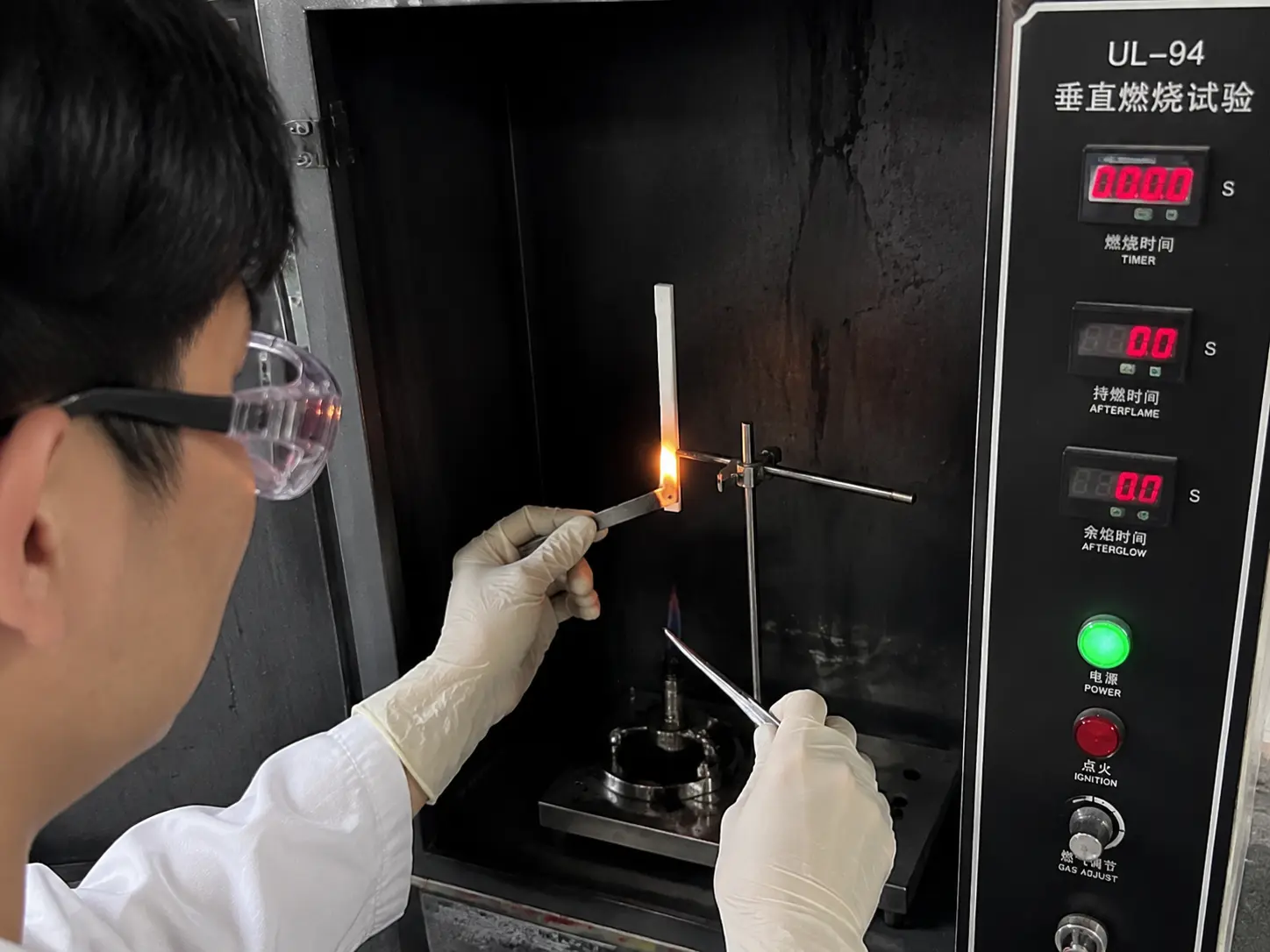
Fine-particle MC powder, plus the blends it belongs in: MC/DEPAL packages for TPU and glass-filled work, MC-based recipes for unfilled PA and POM. Every ladder burns in our own UL94 chamber before we quote it.

Forms: fine powder · P-N package · masterbatch Testing: in-house UL94 · LOI ladders Documents: TDS · SDS · COA · CTI (Hebei) reports
  • C-01Grade selection by particle size and role
  • C-02MC/DEPAL package balancing for TPU and GF resins
  • C-03Twin-screw loading ladders, burn verification
  • C-04POM-safe formulation support (acid management)
  • C-05Standing halogen-free grades: FR-PA6, FR-PA66
  • C-06Batch QC with TDS / SDS / COA per shipment
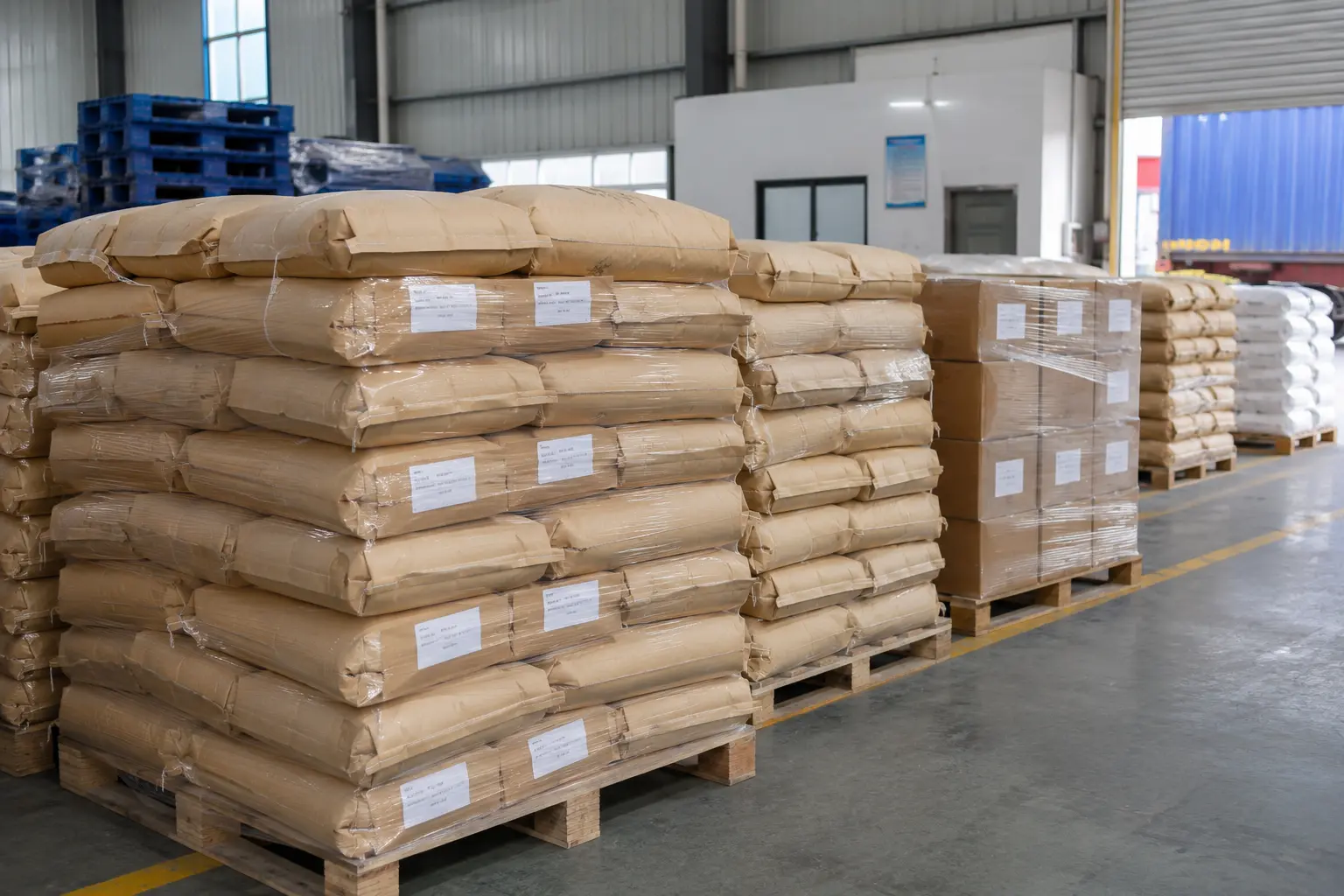
  • C-07Export packaging and worldwide delivery
UL94 burn verification of a melamine cyanurate nylon compoundFig. MC02 — burn verification in our labDrip behavior is judged live, not from a datasheet.
Export packaging of melamine cyanurate flame retardant powderFig. MC03 — export packagingBags, big bags and palletized supply for overseas buyers.
07 / 07FAQ

Buyer Questions About Melamine Cyanurate

The four questions that come up in almost every MC inquiry.

What is melamine cyanurate flame retardant?

A 1:1 adduct of melamine and cyanuric acid — a halogen-free nitrogen flame retardant, stable to ~320 °C, that cools and dilutes flames with inert gas. Its signature result: UL94 V-0 in unfilled nylon at just 8–12% loading.

Why does MC need so little loading in nylon?

Because it recruits dripping instead of fighting it. MC thins the burning melt so drips shed fast and carry the flame off the part, while the nitrogen release keeps those drips from staying lit. V-0 permits non-flaming drips — MC lives in that clause.

Can I use MC in glass-filled nylon?

Not as the main flame retardant — glass anchors the melt and kills the drip mechanism. Glass-filled PA and PBT run DEPAL-based systems, with MC or MPP in the supporting nitrogen role. Same molecule, different job.

Is MC really the right choice for POM?

It is the least-bad and usually the right one. POM unzips under acid attack, disqualifying halogens and most phosphorus chemistry; acid-free MC is tolerated and also scavenges formaldehyde. Expect V-2 class — if the spec says V-0 at thin wall, the honest answer is a resin change.

Request an MC Recommendation

Two facts decide most MC quotes: filled or unfilled, and the UL94 class at your wall. Send those plus color and volume — we burn the ladder and reply with the grade, the loading and the proof.

Include in your inquiryMC-RFQ
  • Resin & fillerPA6/PA66/TPU/POM; glass content if any
  • Target ratingUL94 class at your actual wall thickness
  • Drip toleranceDoes the end spec accept V-0 with drips?
  • ColorNatural, white or colored
  • Trial volumeSample quantity and expected annual demand