Rectivas Materials · Flame retardant manufacturer and formulation partner sales@rectivas.com  ·  WhatsApp +86 180 3191 1520

Aluminum Diethylphosphinate (DEPAL) Flame Retardant

The chemistry that took engineering plastics halogen-free: aluminum diethylphosphinate (also written aluminium diethylphosphinate, “DEPAL” or ADP) delivers UL94 V-0 on glass-filled PA66, PBT and TPU at 15–20% loading — with the high CTI, light colors and glow-wire performance that EV and E&E connectors demand. Supplied as powder and complete nitrogen-synergized packages.

Phosphorus~23–24% · halogen-free
Thermal stability>300°C · PA66-proof
Typical loading15–20% + N-synergist
PerformanceV-0 @0.8mm · CTI 400–600V
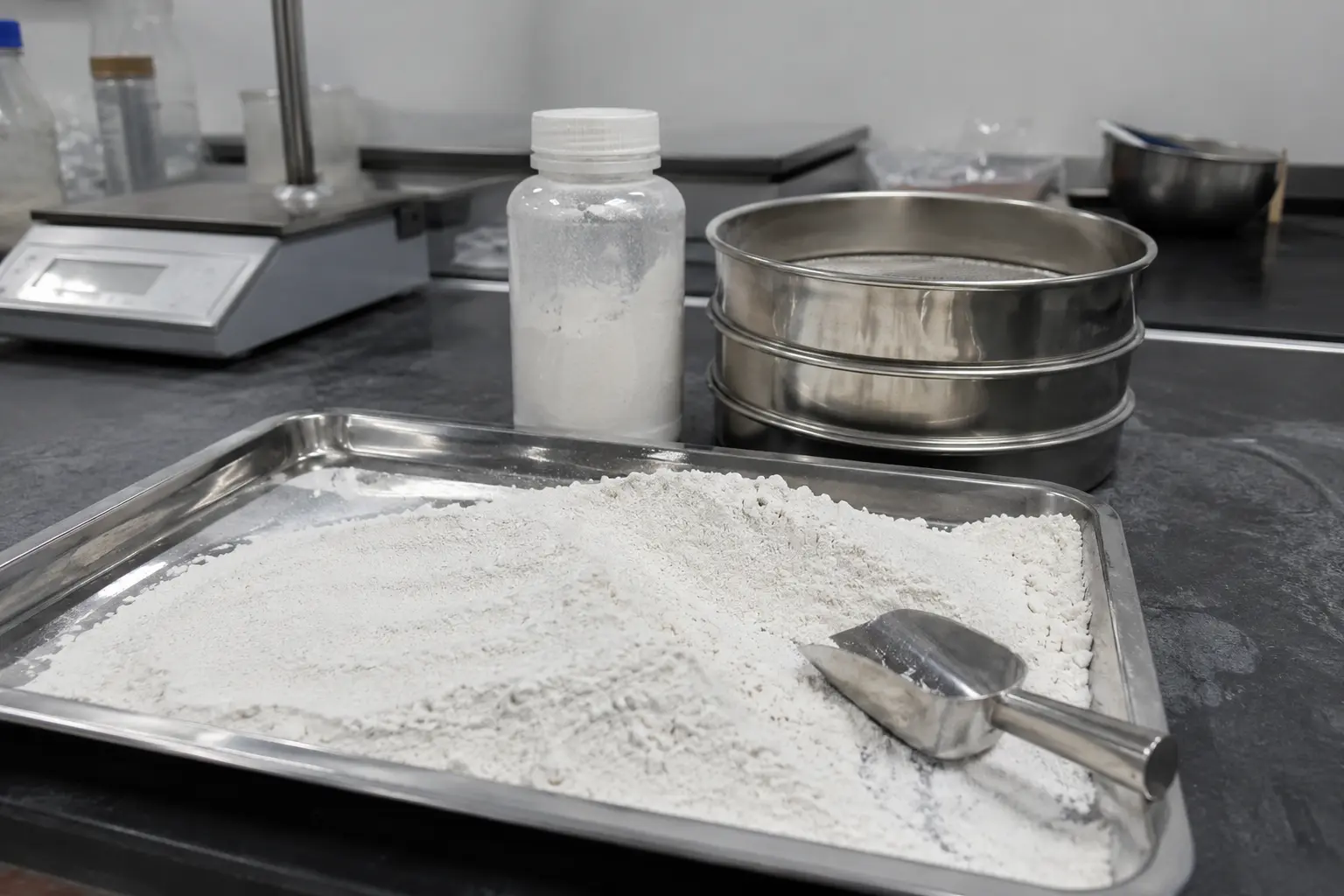
Aluminum diethylphosphinate DEPAL flame retardant white powder at the Rectivas QC lab Fig. DP01 — phosphinate powder at incoming QC

Fine white DEPAL powder checked before compounding.

DEPAL series
Form — powder / synergized package
Goal — halogen-free V-0, high CTI
Use — PA66, PBT, TPU, E&E
01 / 07Definition

What Is DEPAL?

Aluminum diethylphosphinate is the aluminum salt of diethylphosphinic acid — a metal phosphinate packing ~23–24% phosphorus into a thermally rugged white powder. Its claim to fame: it survives the 280–300 °C melt of PA66 and PBT, which is exactly where most halogen-free chemistries give up. That thermal window made halogen-free engineering plastics practical.

Role: primary halogen-free FR for engineering plastics Profile: antimony-free · low smoke · light colors Forms: powder · N-synergized package · masterbatch
DP-01

Built for Hot Resins

Decomposition onset above ~300 °C lets DEPAL compound into PA66, PBT and PPA without gassing or plate-out — the resins where connector work actually lives.

  • Survives 280–300 °C processing
  • Low density vs mineral loads — keeps parts light
  • Zinc phosphinate variant for special cases
DP-02

Works with Nitrogen Partners

DEPAL rarely rides alone: melamine polyphosphate (MPP) in PA66/PBT and melamine cyanurate (MC) in TPU sharpen the rating and cut the total loading.

  • 15–20% total in GF30 PA66 / PBT
  • 18–22% with MC in TPU jackets
  • Pre-balanced packages ready to dose
DP-03

The EV Spec-Stack Answer

High-voltage connectors demand V-0 at thin walls, GWIT 775 °C, CTI for tight creepage and signal-orange color — DEPAL systems tick all four where bromine cannot.

  • CTI 400–600 V class
  • V-0 at 0.8 mm on GF30 grades
  • Colorable including HV orange and whites
02 / 07Mechanism

How DEPAL Works

A rare double act — phosphinates fight in both the gas phase and the condensed phase at once.

P-01

Gas-Phase PO• Radicals

In the flame, phosphinate fragments release PO• species that scavenge the H• and OH• radicals driving combustion — the same interruption bromine performs, without the halogen.

P-02

Condensed-Phase Char

Phosphoric acid species formed at the surface catalyze charring and crosslinking, building a barrier that starves the flame of fuel — boosted by the nitrogen synergist.

P-03

Aluminum Residue Shield

The aluminum fraction remains as aluminum phosphate in the char — a thermally stable mineral skeleton that reinforces the protective layer on glass-filled parts.

03 / 07Applications

Where DEPAL Is Used

Wherever “halogen-free” meets “engineering plastic” — connectors, contactors, breakers, e-mobility hardware and the elastomer jackets feeding them.

ApplicationSystemTypical LoadingKey TargetsRelated Page
PA66 / PA6 connectors (GF)DEPAL + MPP15–20%V-0 @ 0.8 mm · GWIT 775 °C · CTIFR nylon 66 guide
PBT terminal blocks & HV connectorsDEPAL + N-synergist15–25 phrCTI 400–600 V · HV orange colorFR PBT guide
TPU cable jackets (EV charging)DEPAL + melamine cyanurate18–22%UL94 V-0 · VW-1 · flexibility retainedFR TPU guide
Epoxy & thermoset E&E partsDEPAL as co-FRSystem-dependentHalogen-free laminates and encapsulants
04 / 07Comparison

DEPAL vs Brominated + Antimony

The engineering-plastics fork in the road: both routes reach V-0 — the spec lines around the flame rating decide which one your part needs.

Choose DEPAL When…

The spec stack goes beyond UL94 — electrical, color or halogen lines rule.

  • CTI decides creepage: 400–600 V vs bromine’s far lower class
  • Halogen-free declaration or EV/E&E customer policy
  • Light colors, whites or HV signal orange required
  • Low smoke and no antimony exposure wanted

Stay Brominated When…

Cost per rated part is the binding constraint and halogen is accepted.

05 / 07Selection

What Decides a DEPAL Package

The phosphinate is the anchor; the synergist choice, ratio and stabilization around it decide whether the compound passes your exact spec stack at the lowest total loading.

01Host resin (PA66 / PBT / TPU)
02Glass fiber content
03UL94 class at your wall
04GWIT / GWFI requirements
05CTI target & creepage design
06N-synergist choice (MPP / MC)
07Color (HV orange / white)
08Processing temperature & residence
09Cost vs brominated baseline
06 / 07Manufacturing

DEPAL Supply from Rectivas

We supply DEPAL as powder and as complete phosphinate packages — nitrogen synergist and stabilization balanced for your resin, burn-verified in-house at your wall thickness. Our halogen-free FR-PA66, FR-PA6 and FR-PBT standing grades run on this chemistry.

Forms: powder · balanced package · masterbatch Testing: in-house UL94 · LOI ladders Documents: TDS · SDS · COA · CTI (Hebei) reports
  • C-01Phosphinate : N-synergist ratio design per resin
  • C-02Thermal stabilization for PA66 / PBT processing
  • C-03Twin-screw loading ladders and burn verification
  • C-04GWIT / CTI-oriented formulation support
  • C-05Standing grades: FR-PA66, FR-PA6, FR-PBT
  • C-06Batch QC with TDS / SDS / COA per shipment
  • C-07Export packaging and worldwide delivery
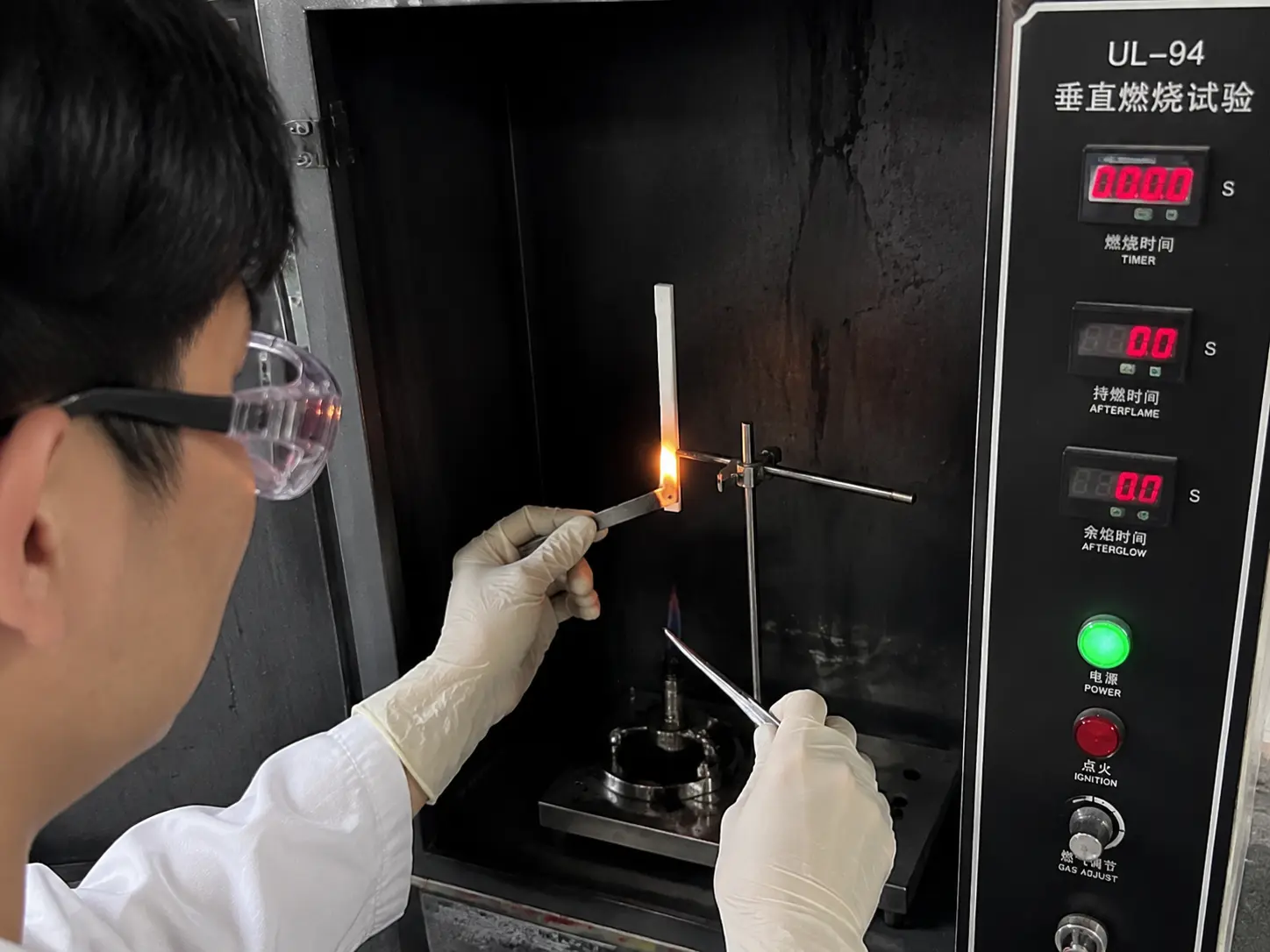
UL94 burn verification of a DEPAL phosphinate compoundFig. DP02 — burn verification in our labEvery phosphinate ratio is burn-tested at your wall thickness.
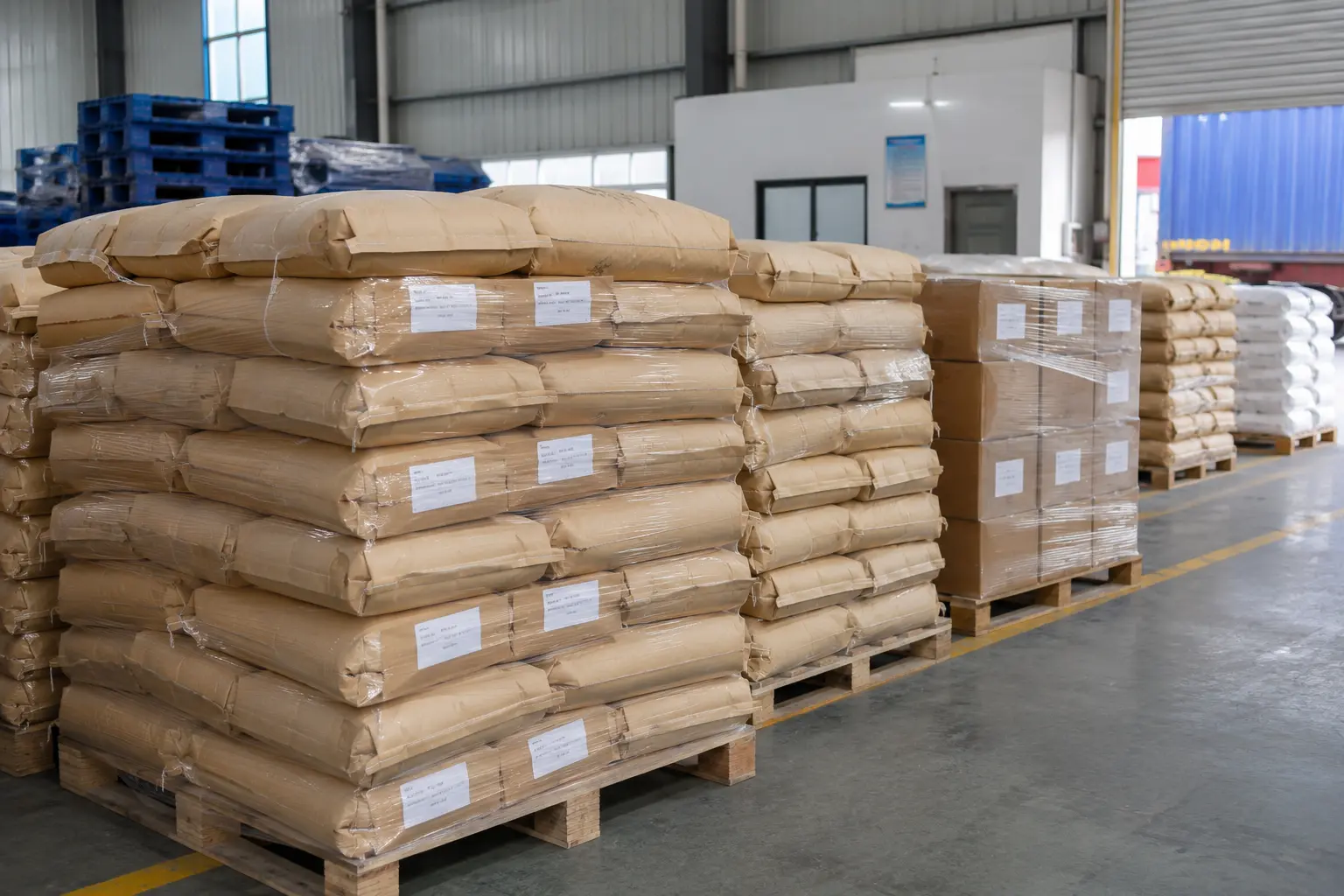
Export packaging of DEPAL flame retardant powderFig. DP03 — export packagingBags, big bags and palletized supply for overseas buyers.
07 / 07FAQ

Buyer Questions About DEPAL

Direct answers for formulators and procurement evaluating aluminum diethylphosphinate before sampling.

What is aluminum diethylphosphinate (DEPAL)?

The aluminum salt of diethylphosphinic acid — a metal phosphinate with ~23–24% phosphorus, halogen-free and antimony-free. It is the workhorse chemistry behind halogen-free V-0 grades of glass-filled PA66, PBT and TPU.

Why do EV connectors specify DEPAL systems?

Because the spec stack goes past UL94: phosphinate compounds hold CTI in the 400–600 V class for tight creepage, reach V-0 at 0.8 mm with GWIT 775 °C, and color cleanly in HV signal orange — four boxes brominated systems cannot tick together.

What synergist goes with DEPAL?

Melamine polyphosphate (MPP) in PA66 and PBT; melamine cyanurate (MC) in TPU and softer systems. The nitrogen partner sharpens char formation and cuts the total loading — our packages arrive pre-balanced so you dose one product, not three.

Is DEPAL more expensive than brominated systems?

Per kilogram, yes — it is the premium route. Per qualified part it often closes the gap: lower density than mineral routes, no antimony exposure, and it unlocks specs (CTI, halogen-free, colors) that bromine simply cannot bid on. We quote both routes where both qualify.

Request a DEPAL Recommendation

Send your resin and glass content, the full spec line (UL94 class at wall, GWIT, CTI), and color requirements. We will design the phosphinate package — and prove it in our burn lab before you commit a line trial.

Include in your inquiryDP-RFQ
  • Host resinPA66, PA6, PBT, TPU or epoxy; glass content
  • Spec stackUL94 @ wall, GWIT/GWFI, CTI target
  • ColorNatural, white, black or HV signal orange
  • ComplianceHalogen-free declaration, RoHS, REACH
  • Trial volumeSample quantity and expected annual demand