Rectivas Materials · Flame retardant manufacturer and formulation partner sales@rectivas.com  ·  WhatsApp +86 180 3191 1520

Phosphorus Flame Retardants

One element, four very different products. Red phosphorus is the strongest flame retardant per gram in the industry — V-0 nylon at 6–10% — but only in dark colors. Phosphate esters keep PC/ABS clear-headed. APP builds intumescent char in polyolefins. Phosphinates own the EV connector. This page maps the family; we supply all four directions.

FamilyRed P · esters · APP · phosphinates
Record holderRed P: V-0 at 6–10%
ChemistryHalogen-free · antimony-free
TargetsUL94 V-0 · LOI · GWFI
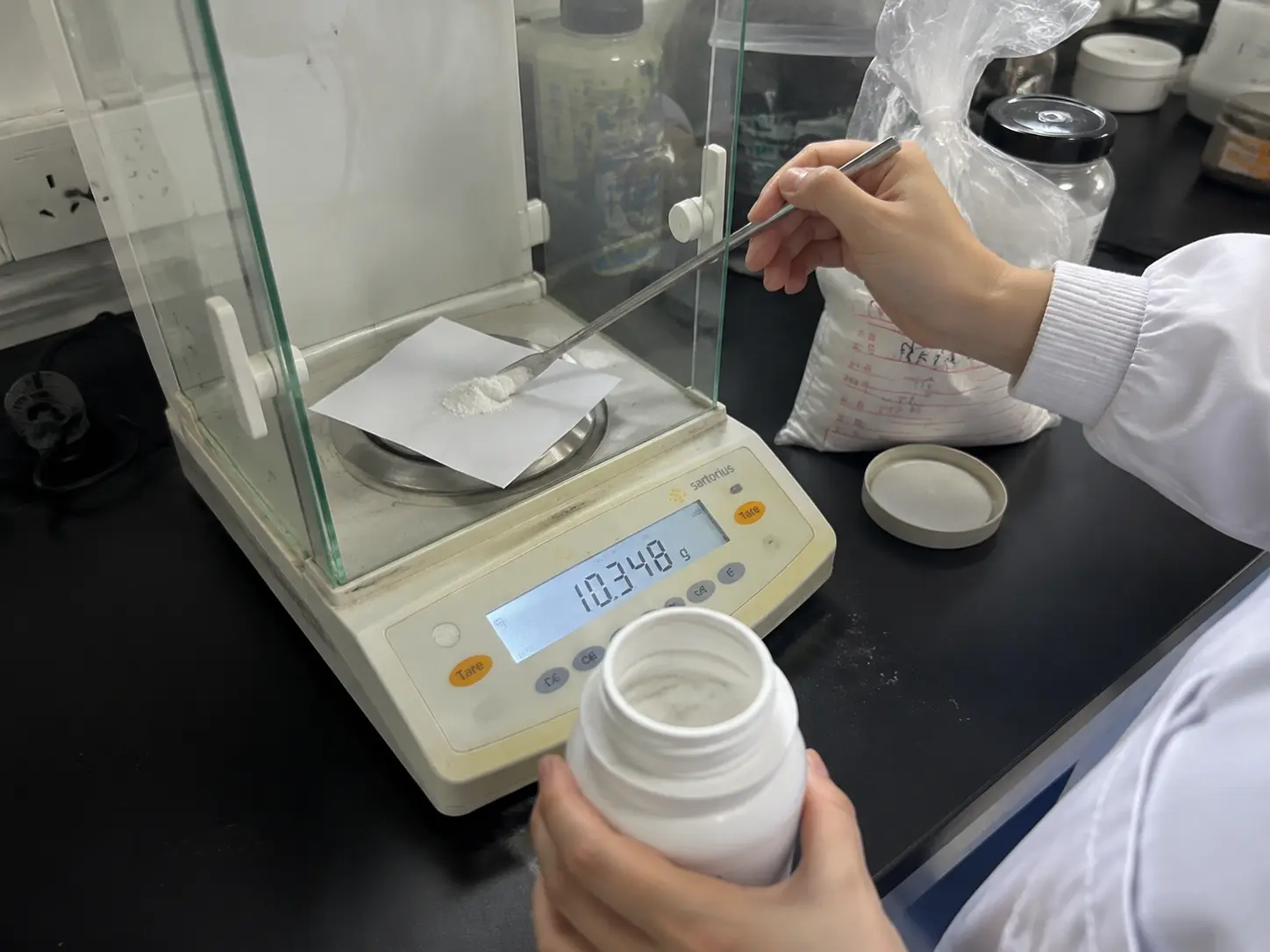
Weighing phosphorus flame retardant for a halogen-free nylon formulation Fig. P01 — weighing a phosphorus FR ladder

Phosphorus package weighed for a halogen-free trial.

P series
Form — encapsulated / powder / package
Goal — halogen-free V-0
Use — PA, PC/ABS, PP, TPU
01 / 07The Family

One Element, Four Products

Every phosphorus flame retardant ends the same way: phosphoric acid species form in the fire and force the surface to char instead of feeding the flame. What differs is the delivery vehicle — and the vehicle decides which resin each one fits.

Shared trick: acid-driven charring + PO• gas-phase assist Profile: halogen-free · antimony-free · low smoke Supplied as: encapsulated grades · powders · packages
P-01

Red Phosphorus — The Record Holder

Nearly pure phosphorus per gram. V-0 in glass-filled PA66 at 6–10% — half of what any other system needs, with mechanicals to match. The catch: dark colors only, and it demands encapsulated grades.

  • Lowest loading of any flame retardant
  • Dark red / brown / black parts only
  • Microencapsulated grades for safe handling
P-02

Phosphate Esters — The PC/ABS Pick

Liquid or low-melting aromatic phosphates (BDP, RDP) that dissolve into PC/ABS and charring resins. 8–14% for V-0 housings — the standard halogen-free route for laptop and appliance shells.

  • Built for PC/ABS and blends
  • Doubles as a plasticizer — watch heat distortion
  • Also the flexible-PVC fire-safe plasticizer trick
P-03

APP & Phosphinates — Own Pages

The other two family members have dedicated pages: ammonium polyphosphate for intumescent polyolefins, DEPAL for engineering plastics and EV connectors.

02 / 07Mechanism

How Phosphorus Stops Fire

Char is the product. Everything phosphorus does converges on building and keeping a carbon shield.

M-01

Acid Formation

Heat converts the phosphorus source to phosphoric and polyphosphoric acids right at the burning surface.

M-02

Forced Charring

The acids dehydrate the polymer toward carbon. Fuel that would have fed the flame stays on the part as insulating char.

M-03

PO• Gas Assist

A share of phosphorus escapes as PO• radicals that quench the combustion chain in the gas phase — bromine’s job, done halogen-free.

03 / 07Applications

Which Phosphorus for Which Resin

The family splits cleanly by resin. Find your row; the column tells you what to ask for.

Resin / PartPhosphorus RouteTypical LoadingWatch-outRelated Page
Glass-filled PA66 (dark parts)Encapsulated red phosphorus6–10%Dark colors only; dry handlingFR nylon 66 guide
PC/ABS housingsPhosphate esters (BDP/RDP)8–14%Heat distortion drops — verify HDTFR polycarbonate
PP / PE compoundsAPP intumescent system18–30%Coated grades for humid serviceAPP page
GF PA/PBT connectors, TPU jacketsDEPAL + N-synergist15–22%Premium cost; wins on CTI and colorDEPAL page
Flexible PVC (fire-safe plasticizer)Phosphate ester partial swapPartial DOP/DOTP replacementCost per phr rises; LOI climbsFR PVC guide
04 / 07Comparison

Red Phosphorus vs DEPAL in Glass-Filled Nylon

Same resin, same V-0 target, both halogen-free — and a factor-of-two loading difference. Color and CTI decide who wins.

Red Phosphorus — When Dark Is Fine

Black connector bodies, under-hood parts, industrial housings: nobody sees the color, everybody sees the cost sheet.

  • V-0 at 6–10% — half the phosphinate loading
  • Best mechanical retention of any FR route in PA
  • Lowest cost per rated part in dark GF nylon
  • Encapsulated masterbatch grades handle safely

DEPAL — When Color or CTI Rules

Light housings, HV signal orange, tight creepage: the spec stack red phosphorus cannot enter.

  • Any color including white and HV orange
  • CTI 400–600 V for high-voltage designs
  • Cleaner handling story for sensitive customers
  • Full DEPAL page →
05 / 07Selection

What Decides the Phosphorus Route

Nine questions, one answer. Most inquiries resolve at the first three.

01Resin family
02Part color (the red P gate)
03UL94 class at your wall
04CTI / electrical spec
05Mechanical retention floor
06HDT / heat resistance (esters)
07Humidity in service
08Handling & EHS policy
09Cost per rated part
06 / 07Manufacturing

Phosphorus FR Supply from Rectivas

All four family routes from one lab: encapsulated red phosphorus masterbatch, phosphate ester packages, APP systems and DEPAL blends — each burn-verified at your wall thickness before we quote.

Forms: encapsulated MB · powder · package Testing: in-house UL94 · LOI ladders Documents: TDS · SDS · COA · CTI (Hebei) reports
  • C-01Route selection across the full phosphorus family
  • C-02Encapsulated red phosphorus masterbatch supply
  • C-03Twin-screw loading ladders, burn verification
  • C-04HDT / mechanical validation alongside flame data
  • C-05Standing grades: FR-PA6, FR-PA66, FR-PBT, FR-PC
  • C-06Batch QC with TDS / SDS / COA per shipment
  • C-07Export packaging and worldwide delivery
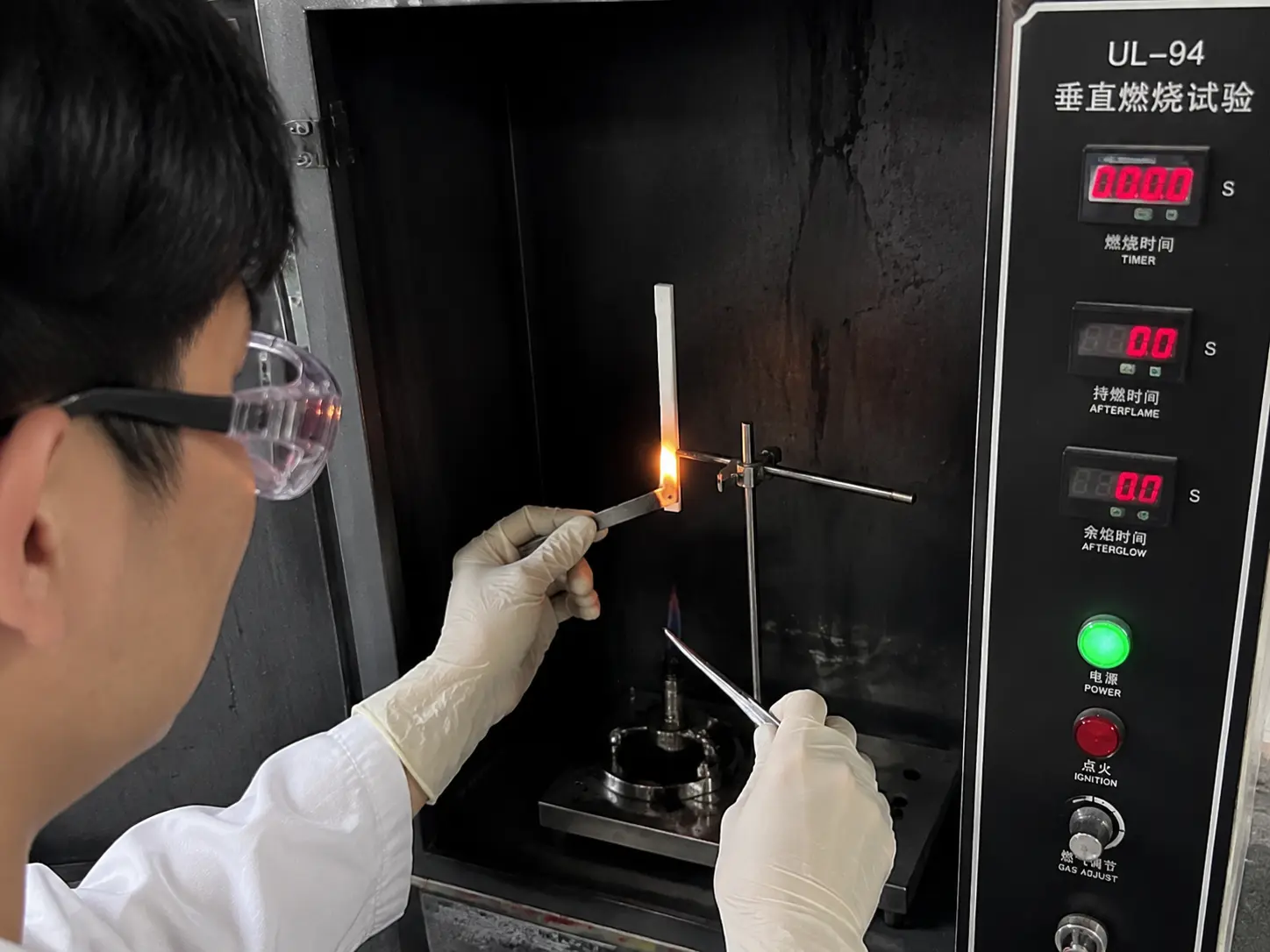
UL94 burn verification of a phosphorus flame retardant nylon compoundFig. P02 — burn verification in our labEvery route is burn-tested at your wall before quoting.
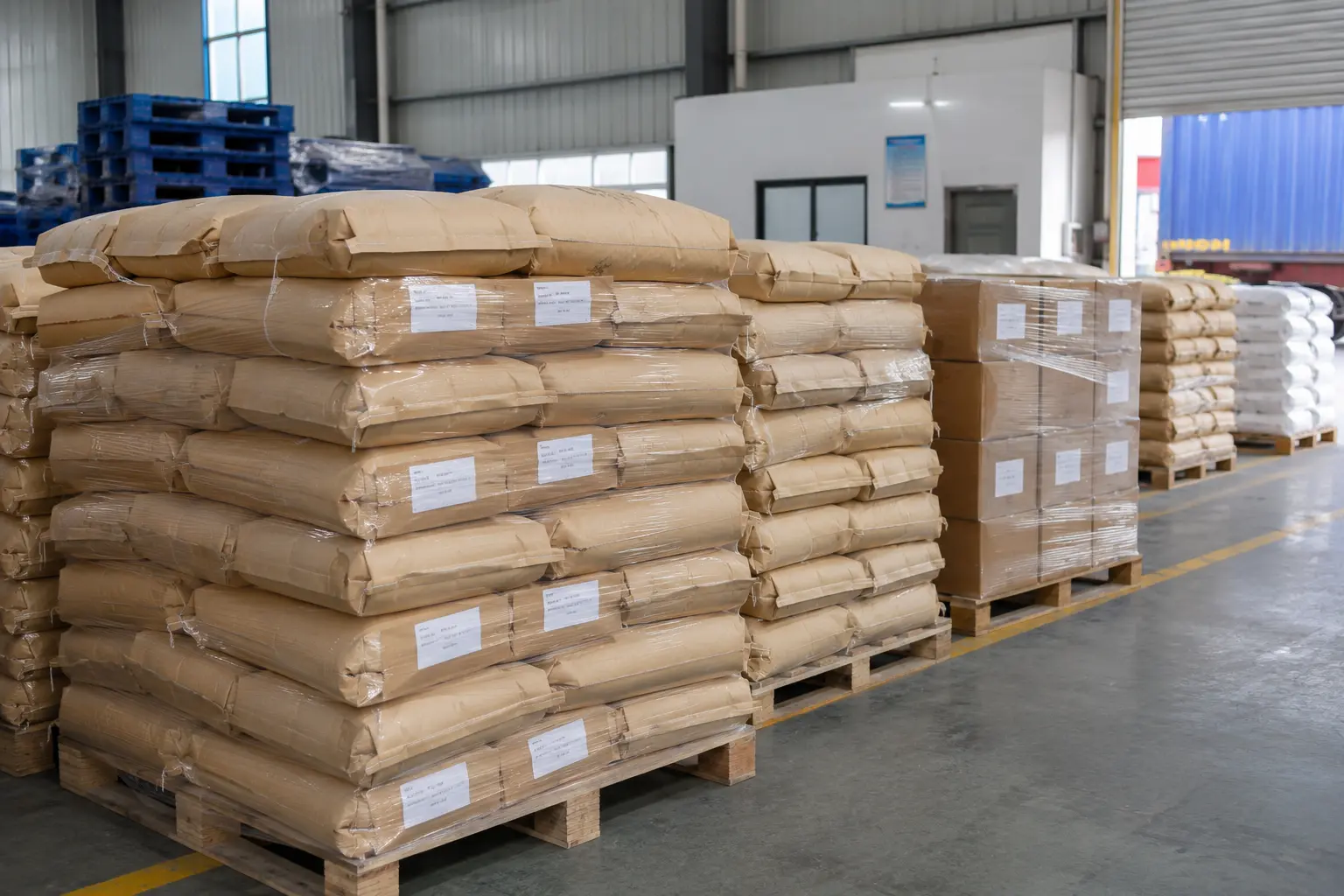
Export packaging of phosphorus flame retardant productsFig. P03 — export packagingBags, big bags and palletized supply for overseas buyers.
07 / 07FAQ

Buyer Questions About Phosphorus FRs

The four that open most phosphorus inquiries.

What are phosphorus flame retardants?

A halogen-free family sharing one mechanism — phosphoric acid species force the polymer to char instead of burn. Four members: red phosphorus, phosphate esters, ammonium polyphosphate and metal phosphinates. Each owns different resins.

Why is red phosphorus limited to dark colors?

It is dark red-violet and tints every compound it enters — dark red, brown or black parts only. That single cosmetic limit, not performance, pushed light-colored connectors to DEPAL despite double the loading.

Is red phosphorus safe to process?

Encapsulated grades, yes — each particle is coated to block moisture and suppress phosphine. Use masterbatch form, keep the compound dry, follow SDS ventilation. Uncoated red phosphorus powder has no place on a compounding floor, and we do not supply it that way.

Do phosphate esters weaken PC/ABS?

They lower heat distortion temperature — the ester is also a plasticizer. Typical V-0 loadings cost 10–20 °C of HDT, so verify the part’s service temperature before committing. Where HDT is tight, we rebalance the package rather than just cutting dose.
Ask Which Phosphorus Route Fits

Resin, color, UL94 class at your wall — those three answers usually pick the route. Send them with your volume and we reply with the grade, loading and burn data.

Include in your inquiryP-RFQ
  • Resin & fillerPA, PBT, PC/ABS, PP, TPU; glass content
  • ColorDark opens red phosphorus; light means esters/DEPAL
  • Target ratingUL94 class at actual wall; GWFI/CTI if specified
  • Service tempHDT floor if phosphate esters are in play
  • Trial volumeSample quantity and expected annual demand