Quick answer: Silicone rubber starts ahead of almost every other polymer on fire safety — its Si-O-Si backbone chars into silica (essentially glass) instead of burning like an organic hydrocarbon, giving unfilled silicone an LOI around 26–30 without any additive at all. But “better than plastic” isn’t the same as “UL94 V-0 guaranteed,” especially at thin walls or with fillers that dilute that effect. Getting a reliable V-0 rating still means a platinum-cure FR grade, usually boosted with ATH or a similar mineral filler — the same mineral chemistry behind our LSZH cable work, just in a different base polymer.
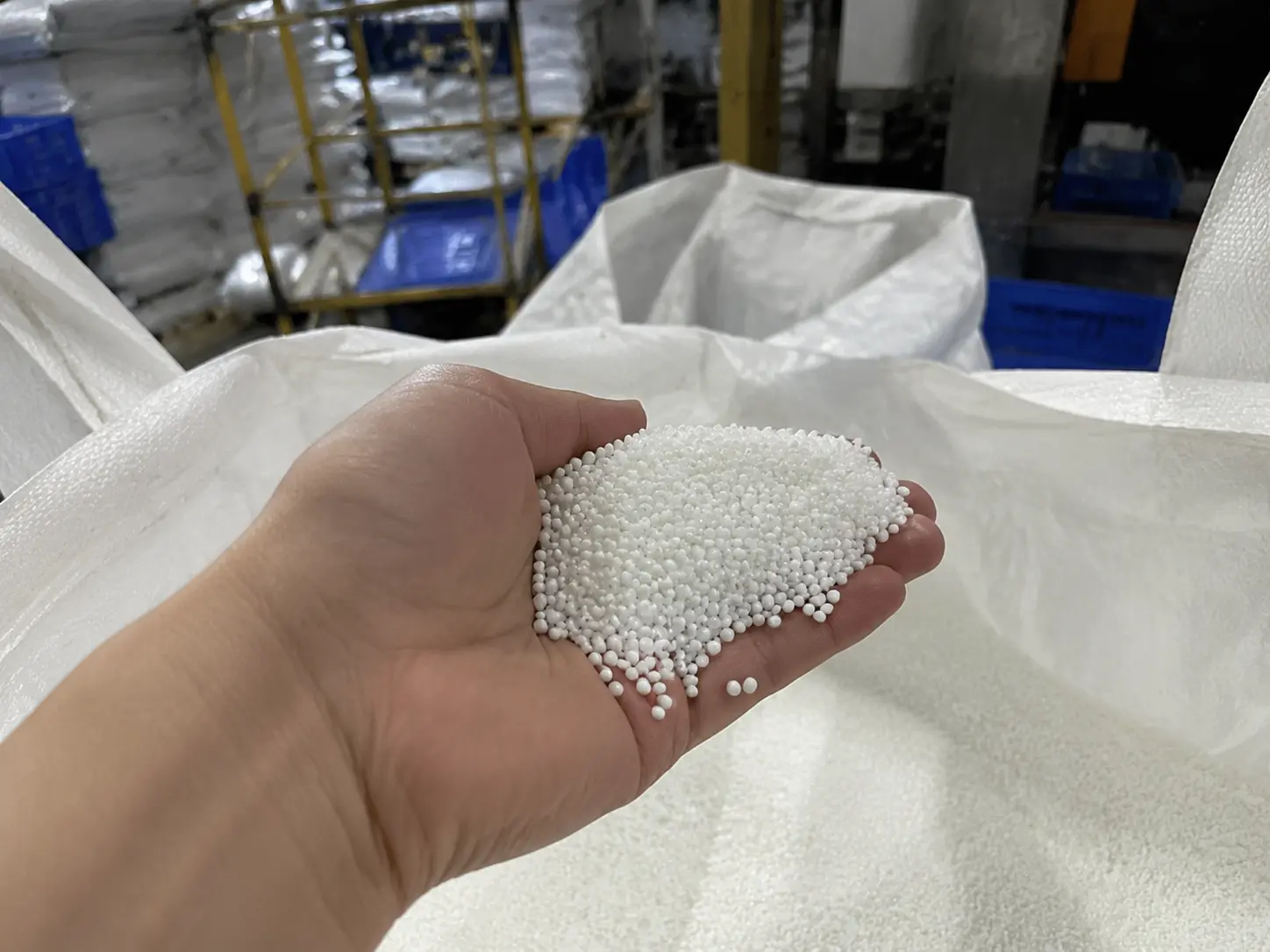
Silicone gets specified for one reason above all others: it survives temperature extremes nothing else touches, roughly -60 °C to 200 °C in continuous service. That is also exactly why it ends up next to ignition coils, high-voltage caps, and cable insulation in hot enclosures — and why “does it also self-extinguish” becomes the second question every buyer asks.
Why silicone starts ahead of organic plastics
Every plastic we cover elsewhere on this site — PP, PE, ABS, nylon — has a carbon backbone that is, chemically speaking, fuel. Silicone’s backbone alternates silicon and oxygen. When it burns, that backbone doesn’t feed a hydrocarbon flame the same way; it oxidizes toward silica, a ceramic residue that insulates rather than combusts. That is the built-in advantage: decent LOI, low smoke, and a self-forming char with zero additive input.
It is not immunity. Filled and reinforced silicone compounds, thin sections, and general-purpose (non-FR) grades still burn and drip under real fire conditions. UL94 V-0 — self-extinguish within 10 seconds, no flaming drips — is a specific, tested target, and a “silicone is naturally flame retardant” assumption is exactly the kind of thing that fails a real burn test.
What an FR silicone rubber grade actually adds
| Factor | General-purpose silicone | FR-rated silicone (UL94 V-0) |
|---|---|---|
| Cure system | Peroxide or platinum | Platinum (addition) cure — standard for FR grades |
| Filler package | Reinforcing silica only | Reinforcing silica + mineral FR filler (ATH-type) |
| UL94 result | Inconsistent, thickness-dependent | V-0 at the certified thickness |
| Service temperature | -60 to 200 °C typical | Same range — FR filler shouldn’t cost thermal range |
The mineral filler doing the work here is the same family behind our MDH & ATH page: an endothermic hydroxide that releases water vapor and cools the flame zone, the identical mechanism used at 55–65% loading in LSZH cable compounds. Silicone compounders run it at lower, more targeted loadings alongside reinforcing silica, tuned so the FR filler doesn’t wreck the tear strength and elongation silicone is chosen for in the first place.
Where it gets used
- Liquid silicone rubber (LSR) — injection molded connector seals, gaskets, ignition coil boots, high-voltage caps. Platinum-cure two-part systems (A/B, 1:1 via static mixer) are the norm for FR grades.
- HTV (high-temperature vulcanizate) — extruded cable and wire insulation/jacketing where continuous high-temperature service and a flame rating both matter.
- Rail and transit — silicone cable and gasket applications increasingly answer to smoke/toxicity standards beyond UL94 alone, the same low-smoke logic behind our LSZH vs PVC comparison.
Thickness matters here exactly like everywhere else on this site: a grade certified V-0 at 3.0 mm is not automatically V-0 at 1.0 mm. Confirm the rating against your actual part section before you spec it.
Where Rectivas fits
To be direct: we don’t formulate or supply platinum-cure silicone base polymer — that is specialty silicone chemistry, a different business from our plastics additive and masterbatch line. What does cross over is the mineral flame retardant filler itself. Our ATH and MDH grades — the same ones compounded into LSZH cable jackets — are the filler family silicone compounders use to push a base polymer to V-0. If you compound FR silicone and need that mineral component, the MDH & ATH page covers grade selection, particle size and surface treatment in full. Request a quote if that’s the piece you’re sourcing.
FAQ
Is silicone rubber naturally flame retardant?
More fire-resistant than most organic plastics, yes — its Si-O-Si backbone chars to silica instead of burning like a hydrocarbon, giving unfilled silicone an LOI around 26–30. But that is not the same as a certified UL94 V-0 rating, which still requires a dedicated FR grade and formulation.
What flame retardant is used in silicone rubber?
Mainly mineral hydroxide fillers — aluminum hydroxide (ATH) types — added to a platinum-cure base at a loading tuned to hit V-0 without destroying tear strength and elongation. It is the same mineral chemistry used in LSZH cable compounds, at a different loading level.
Does FR silicone rubber lose its temperature range?
It shouldn’t, if the filler package is formulated correctly — FR-rated silicone typically holds the same -60 °C to 200 °C service window as general-purpose grades. A poorly balanced filler load can drag down high-temperature performance, which is why grade selection matters more than just hitting a UL94 number.
Is a UL94 V-0 silicone rating valid at any thickness?
No — like every UL94 rating, it’s certified at a specific thickness. A grade tested V-0 at 3.0 mm is not automatically V-0 at 1.0 mm. Always confirm the rating against your actual part section, not the datasheet’s default test thickness.
—— Rectivas Materials 团队 技术工程师老陈