What fire rating do plastic building materials need?
In North America, ASTM E84 Class A for most exposed interior surfaces — flame spread index ≤25 and smoke developed index ≤450. In Europe, an EN 13501-1 Euroclass, typically B-s1,d0 or better for facades and escape routes. Foam plastics left exposed generally need full-scale room corner testing such as NFPA 286 rather than E84 alone.
Why is smoke harder to pass than flame spread?
Because both test systems impose a smoke limit, and burning polymer smokes far more than the wood baseline they are calibrated against. It is the reason gas-phase halogen chemistry — the most efficient per kilogram — is often the wrong answer here, and mineral or char-forming systems dominate.
Is UL94 V-0 the same as Class A?
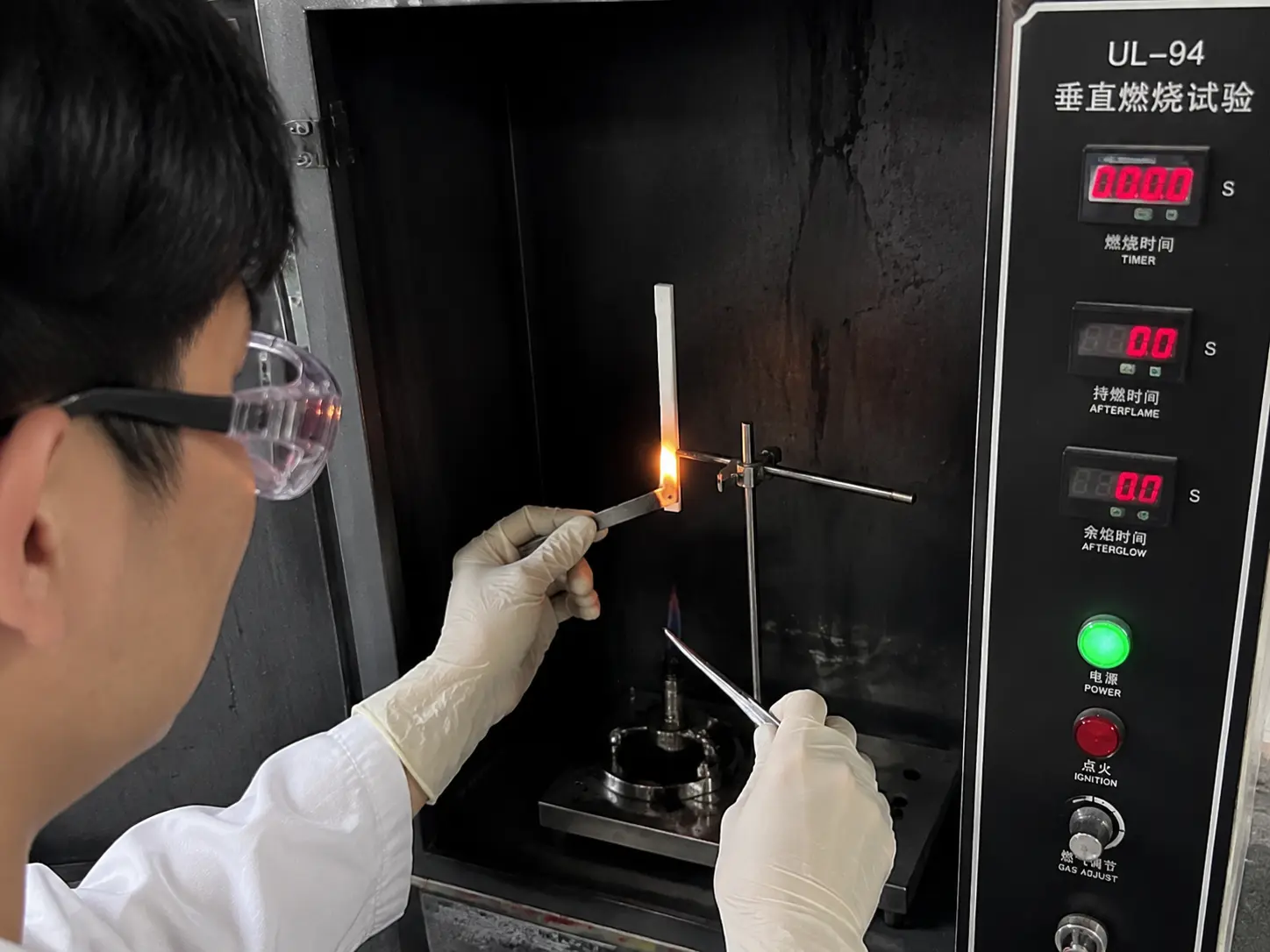
No, and conflating them is a common and expensive error. UL94 is a bench-scale bar test for moulding materials; Class A comes from a full-scale tunnel test on the building product as installed. A V-0 compound is a promising starting point, not a certification.
Do you supply finished building products?
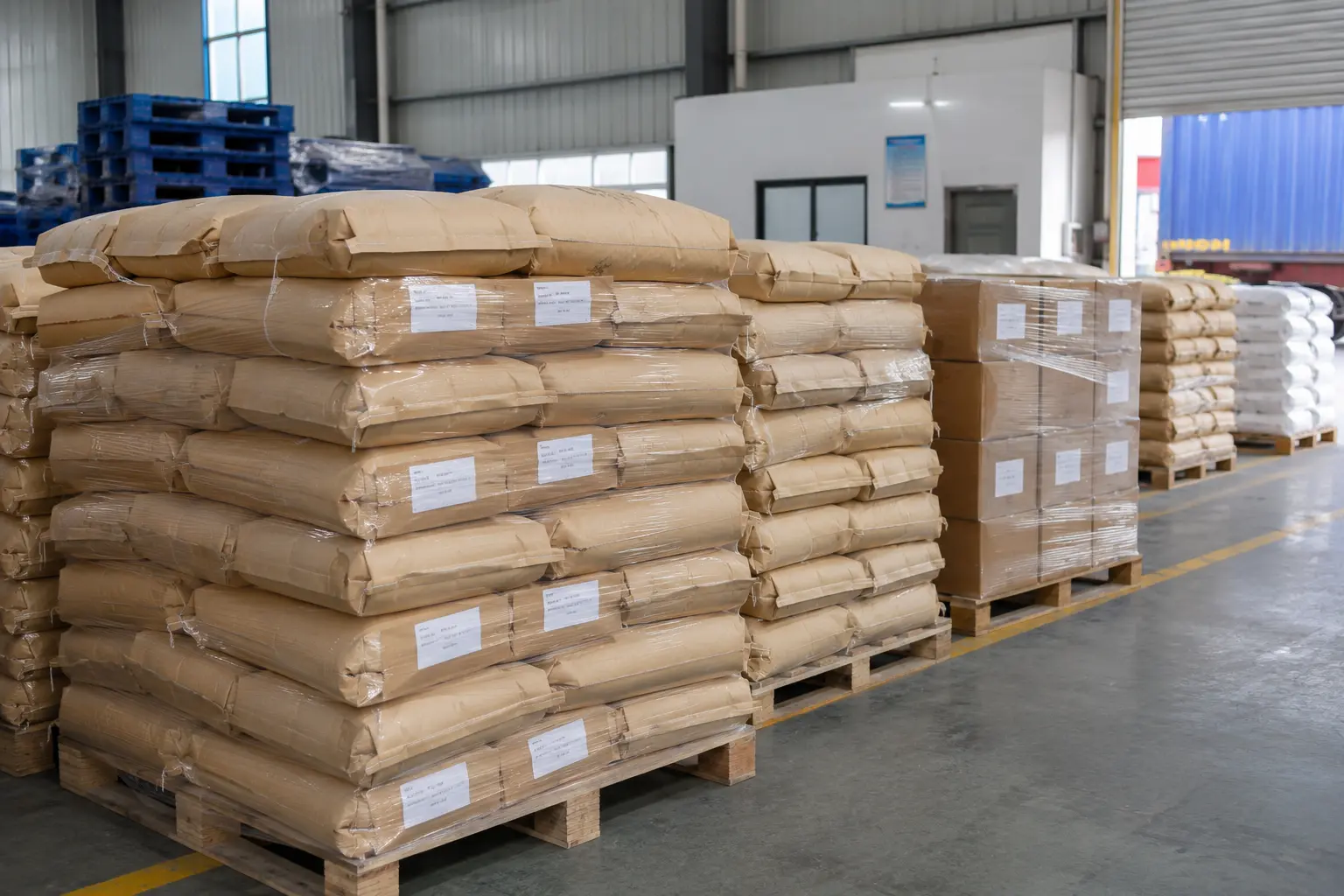
No. We supply the flame retardant layer — additives, masterbatch and compounds — to producers of pipes, panels, profiles, membranes and foam. We also do not supply PolyFR for polystyrene board or reactive polyols for PU/PIR systems; those come from specialty polymer producers.
Can one formulation satisfy both ASTM E84 and EN 13501?
Often yes, but it has to be designed for both from the start and tested under both — the two systems are not convertible, and neither certificate substitutes for the other. Formulate against the stricter target and budget for both tests rather than retrofitting after a failure.