FR-PA6
Lower processing temperature, generally lower cost. General E&E housings, cable ties and clips where PA66’s extra heat resistance is not required.
- Halogen-free or brominated on request
- UL94 V-0 in unfilled and glass-filled grades
Nylon holds connectors, relays and structural parts together under heat and load — but neat PA6/PA66 burns and drips. We supply halogen-free and brominated flame retardant systems built for both resins, as additive powder and masterbatch, reaching UL94 V-0 down to 0.8 mm with the CTI and glow-wire performance connector specs demand.
 Fig. N01 — molded FR-PA66 connector parts
Connector-grade parts molded from flame retardant nylon compound.
PA6 and PA66 are the connector world’s default resin — strong, heat-resistant, dimensionally stable. Neither burns safely on its own. Unfilled nylon can scrape a marginal V-2 because it drips away from the flame; glass-filled nylon loses even that, because the fibers wick the flame instead of letting it drop. Any real UL94 or glow-wire rating needs a formulated package.
Lower processing temperature, generally lower cost. General E&E housings, cable ties and clips where PA66’s extra heat resistance is not required.
Higher heat deflection and dimensional stability — the connector and relay standard, including automotive and EV applications.
Powder packages for compounders running their own twin-screw line; pre-dispersed masterbatch on a PA carrier for molders dosing at the press.
Same three chemistries as any engineering plastic — color, electrical spec and halogen policy decide which one fits your part.
| System | Typical loading | Strengths | Related page |
|---|---|---|---|
| Halogen-free phosphinate | 15–20% + N-synergist | High CTI (400–600V), light colors, V-0 at 0.8mm | DEPAL page |
| Red phosphorus | 6–10% | Lowest loading, best mechanical retention, dark colors only | Phosphorus family |
| Brominated + antimony trioxide | 12–20% | Lowest cost, any color, halogen-tolerant markets only | DBDPE page |
In unfilled nylon parts (cable ties, clips), melamine cyanurate alone often reaches V-0 at just 8–12% — the cheapest halogen-free route, but it only works before glass fiber enters the resin. For the full resin-by-resin selection logic, including PA66 vs PA6 processing differences, see our flame retardant nylon 66 selection guide.
Nearly all of it is E&E and automotive — parts where a fire fault has to stop at the part, not spread through it.
CTI and glow-wire performance often matter as much as UL94 — the phosphinate route’s home turf.
Thin-wall housings around live current; V-0 at 0.8mm is now the common ask, not the exception.
Under-hood brackets, battery hardware, charging connectors — heat resistance plus fire rating together.
Cable ties, clips, sensor housings — where unfilled PA and a lean melamine cyanurate package keep cost down.
UL94 is rarely the whole exam anymore. Confirm all three before formulating.
FR-PA6 and FR-PA66 are standing grades — halogen-free by default, brominated on request — compounded on our partner factory’s twin-screw line and burn-verified at our partner factory before shipment.
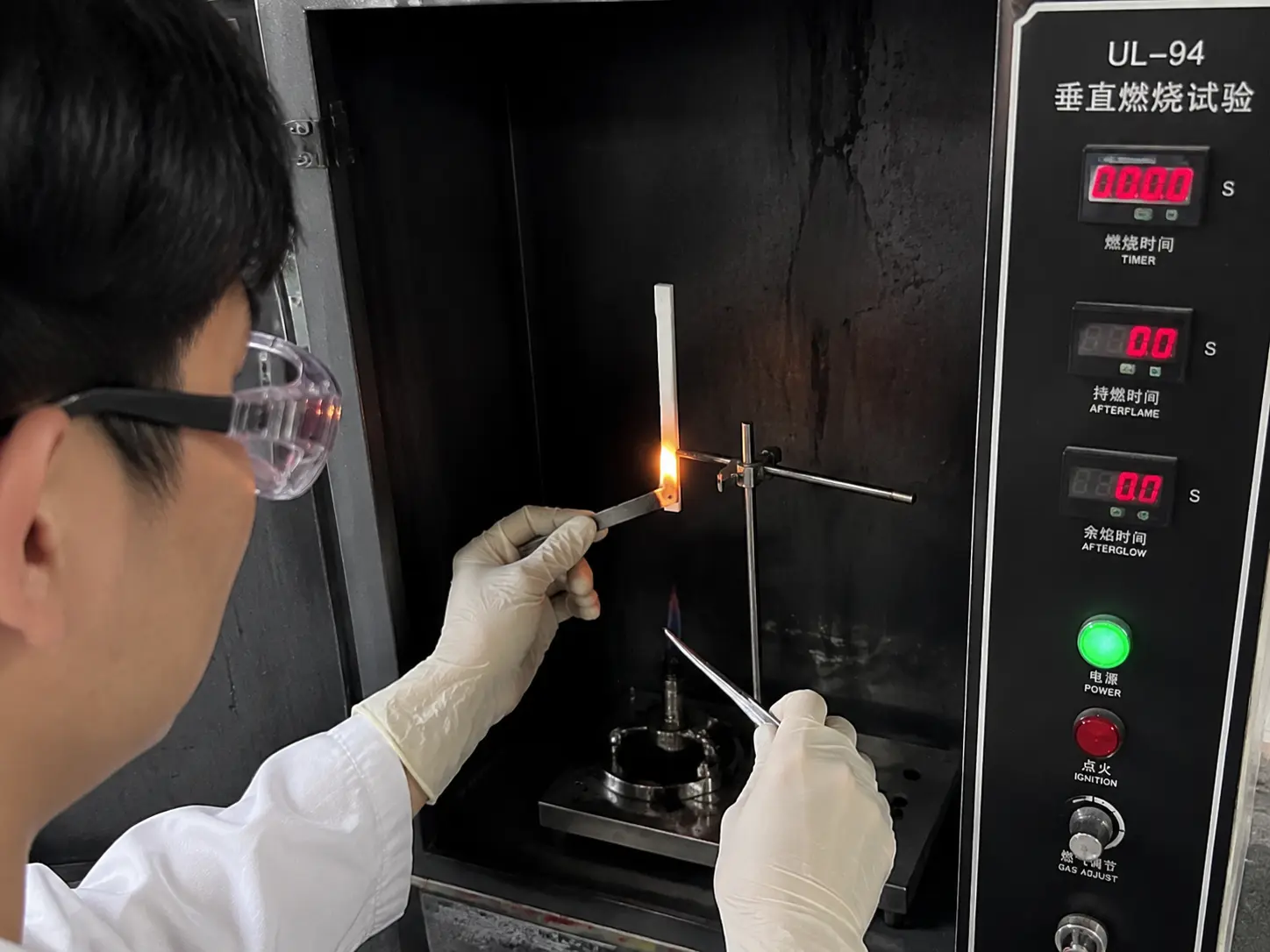 Fig. N02 — burn verification in our partner factory’s labEvery system burn-tested at your actual wall thickness.
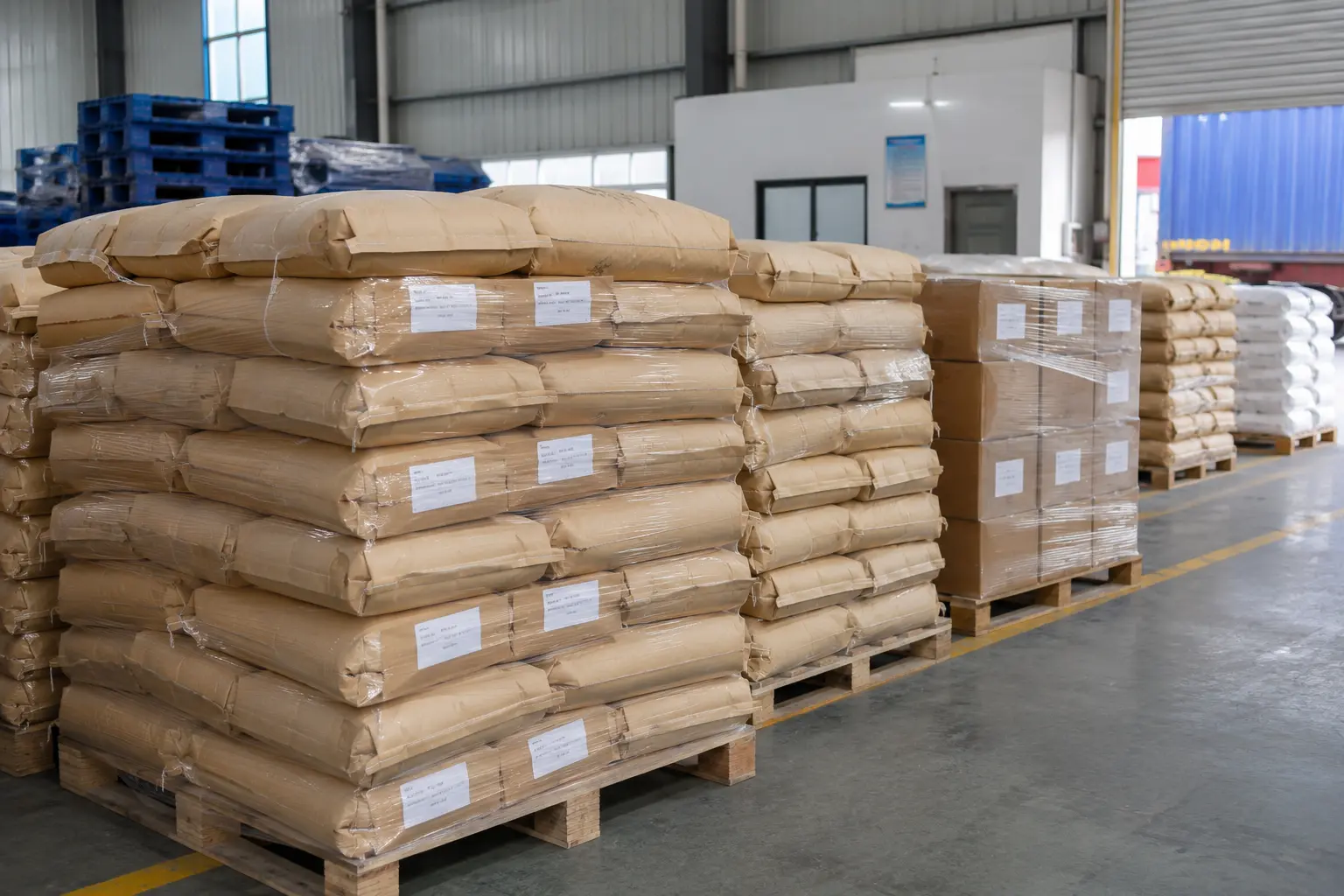 Fig. N03 — export packagingBags, big bags and palletized supply for overseas buyers.
Almost every wrong recommendation in flame retardant polyamide comes from skipping one question. Answer it first and the options narrow to one or two.
| Your Grade | What Works, and What Will Waste Your Trial |
|---|---|
| Unfilled PA6 / PA66 | Melamine cyanurate is efficient and inexpensive here. It works by promoting dripping that carries heat away. |
| Glass-filled (GF15–GF50) | MCA loses most of its effect — glass fibre stops the part dripping. Switch chemistry to phosphinate with MPP. Do not raise MCA dosage — the mechanism is gone, not weak. |
| Glass-filled + CTI 600 V | Phosphinate, halogen-free by necessity. Brominated systems with antimony typically track at PLC 2–3 and will not reach PLC 0. |
| Any reinforced grade, thin wall | Expect higher loading than the unfilled datasheet implies. Fibres wick molten polymer to the flame, and thin sections have less material to form char. |
The mistake that costs a trial batch: assuming a flame retardant that worked in your unfilled grade will scale into the reinforced version. It is not a dosage problem — melamine cyanurate depends on dripping, and reinforcement is precisely what prevents it. Tell us your glass content with the wall thickness and CTI target, and we will propose a starting loading rather than a product list.
The four that open most nylon FR inquiries.
Connectors, relays, circuit breakers, terminal blocks, sensor housings and structural automotive parts — anywhere PA6 or PA66 needs a UL94 rating alongside its natural toughness and heat resistance.
Both take the same flame retardant systems. PA66 offers higher heat resistance and dimensional stability — common in automotive and high-temperature connectors. PA6 processes cooler and often costs less, suiting general E&E parts. The resin choice, not the flame retardant, usually decides between them.
Three main routes: halogen-free phosphinate (aluminum diethylphosphinate with a nitrogen synergist) for high-CTI connectors, red phosphorus for the lowest loading in dark parts, and brominated systems with antimony trioxide for cost-driven, halogen-tolerant parts.
Yes — powder additive packages for compounders, or pre-dispersed masterbatch on a PA carrier for molders without in-house compounding, matched to your resin grade and target rating.
Send your resin (PA6 or PA66), glass content, wall thickness and the full spec line — UL94 class, glow wire, CTI. We will recommend the system and prove it in our partner factory’s burn lab before you commit a trial.